Creative x Tech Featuring Chris Bruderle
Listen now
Click to listen on:



Read the transcript
Dan Mouradian: Welcome to Creative x Tech. My name is Dan Mouradian, and I'm the EVP of Global Client Solutions at Innovid. Today, I'm joined by Chris Bruderle, VP of Industry Insights and Content Strategy at the IAB. Chris, thanks so much for joining us.
Chris Bruderle: Thanks for having me, Dan. I'm absolutely excited to be here. We love you and the Innovid team over at the IAB. You lean in and get involved, and that's what makes the partnership work. I'm happy to be here.
Dan Mouradian: It's great to have you back. If you haven't seen Chris's biannual reports, you should definitely check them out. We'll include a link in the podcast description, and you can reach Chris directly at chris@iab.com.
Twice a year, Chris publishes a digital video ad spend study, with an initial report early in the year and an update around the midpoint. A couple of findings in this year's research caught my attention, and we're going to discuss them today. First, we'll talk about live TV and how its definition is shifting. Then we'll get into business outcomes. Marketers have been talking about business outcomes for years, and they were a major focus of last year's report. This year, you have some new insights that I think our audience will appreciate.
Chris, let's set the stage. According to your research, how is the marketplace redefining what counts as live content?
Chris Bruderle: It's a really interesting question. When the issue of defining “live” first came up, I had to stop and think about why we were even asking it. But the more I considered it, the more I understood the need for clarity.
The industry currently puts many different types of content under the umbrella of “live.” There's what I would call truly live content: sporting events, breaking news and award shows that unfold in real time. But creator-hosted livestreams are live, too. And when you turn on Hulu + Live TV, YouTube TV or even a FAST network, you're watching whatever is airing at that moment. In many people's minds, that's also live.
Then there are new episode releases. When an episode of The Pitt or Love Island drops for the first time, some viewers consider that a live viewing moment, even though the episode was prerecorded.
We wanted to understand how digital video buyers rank these experiences. Which types of content do they consider the most live? Breaking news, sporting events and award shows were the three categories most likely to be considered truly live. Creator-hosted events followed closely behind. Then there was a significant drop to streaming shows, FAST networks, episode releases and network-specific apps.
That gave us three broad tiers: traditional events unfolding in real time, creator livestreams, and scheduled or newly released streaming content. What I found especially interesting was how those rankings differed between enterprise advertisers and small and midsize businesses.
Enterprise advertisers were much more likely than SMBs to classify streaming shows within their first 48 hours of availability, as well as new episode releases, as live. SMBs were more likely to reserve that definition for breaking news, sports and award shows. There's a lot of nuance in those differences, and the industry needs to navigate it.
Dan Mouradian: Traditionally, there's been a velvet rope around live events. Major sporting events and award shows, particularly the first commercial breaks, have often been associated with premium sponsorship opportunities. But if the definition of live is expanding, access to those opportunities may be expanding as well.
An SMB with a smaller budget might not be able to sponsor a major sporting event, but it could work with a creator who is attending that event and livestreaming the experience. That creates another way for the brand to be part of the moment.
On the enterprise side, your research suggests that advertisers increasingly see new episode releases as premium viewing environments. I'd love to look at that through a consumer behavior lens. People in my age group often feel they need to watch a show like Love Island the night an episode drops, or catch up on a newly released series before everyone starts talking about it. They want to participate in the cultural conversation as much as the viewing experience itself. In that sense, it can feel live.
I know your research focuses on video advertising buyers, but are you also thinking about the consumer's perspective? Advertisers are buying that inventory to reach viewers, so how much should the viewer's definition of live matter?
Chris Bruderle: I think it matters enormously. When content is valuable to consumers, it drives attention, interest and action. I'm not necessarily talking about purchases or other business outcomes yet, but about the behaviors that surround a viewing experience.
Think about what happens when a highly anticipated episode airs for the first time. People discuss it on social media, share clips, make short videos and talk about it the next day. The show becomes part of a larger conversation. Viewers enjoy the entertainment itself, but they also enjoy sharing their reactions and sometimes being among the first to weigh in.
That engagement drives attention, and attention can ultimately contribute to business outcomes. Those things are closely connected.
We asked digital video buyers whether live content is more valuable to them than other types of video content. Ninety-three percent said yes. Then we asked why. The leading reason, by far, was viewer attention. The second was the ability to drive business outcomes.
So the value starts with the consumer experience and carries through to the advertiser.
Dan Mouradian: That's what makes this research so useful. You've examined how different types of businesses define and prioritize live content, and you've asked how valuable they find those experiences. The next question is how publishers and platforms can monetize that value.
How are platforms, publishers and advertisers approaching these newer definitions of live content? What should buyers and sellers take away from the changing marketplace?
Chris Bruderle: Content creators, networks, streaming platforms and production companies increasingly understand the value of a particular moment in time, whether it's an event unfolding live or the release of a new episode.
You can see that in the advertising formats being developed around live sports. When there's a pause in a game, broadcasters don't always cut away to a traditional commercial break. They might split the screen, keep the game visible and show an advertisement with an interactive element alongside it. That gives viewers an opportunity to engage or take action without completely leaving the event.
Consider Monday Night Football, too. ESPN offers different ways to experience the same game, including the traditional broadcast, the ManningCast and an analytics-focused presentation. Those versions appeal to different audiences, but they're all built around the same moment. Broadcasters understand that they have a limited window to capture viewers' attention.
Another fascinating shift is how streaming services release new shows. The proportion of shows released weekly, rather than all at once, has grown significantly. Weekly releases are becoming a much bigger part of the streaming model.
Dan Mouradian: We've watched that trend develop. A few years ago, streaming services often released an entire season at once. Then some began splitting seasons into two batches, releasing the first six episodes and the remaining six a few weeks later. Now we're seeing more weekly releases, or daily releases for certain shows.
What's old is new again.
Chris Bruderle: Absolutely. And one thing that has never lost its value is appointment viewing. Appointment viewing draws attention, and attention drives other things.
Think about some of television's longest-running programs. 60 Minutes has been a Sunday evening fixture for decades. Sunday morning talk shows also have established viewing routines. Audiences set aside time for those programs, and now that behavior is becoming more common in streaming as well.
Here's another interesting finding. When buyers ranked the benefits of live content, viewer attention and business outcomes came in ahead of cultural relevance and simultaneous audience reach. I expected cultural relevance and the ability to bring multiple people together to rank higher. Those are meaningful benefits, but buyers placed greater importance on attention.
As the web becomes increasingly fragmented and AI-generated content and automated traffic become more prevalent, advertisers are looking for genuine human attention. Live and appointment-based viewing can help provide it.
Dan Mouradian: I think attention is valuable because of what it can lead to. If you're reaching a real person who is engaged with the content, that person may be more likely to respond to an ad. They might buy a product, reconsider a preference or learn something new about a brand.
That engagement is part of what makes a major viewing event, or a cultural watercooler moment, so attractive to advertisers.
You and I both wish we had a dollar for every time someone in the industry said “business outcomes” over the past couple of years. It became a buzzword, and we've also seen some pushback against models that promise guaranteed results.
Last year's research identified business outcomes as the leading priority, while this year's findings put greater emphasis on attention and other factors. How do you reconcile those changes? What's happening in the relationship between attention and business outcomes?
Chris Bruderle: There's a lot to unpack. Last year, we asked CTV and streaming buyers why they might reduce or stop spending with a partner they'd previously used. The top reason was business outcomes. Maybe they didn't sell as many products as expected, generate enough newsletter signups or get the leads they wanted.
We asked that question again this year, and the rankings changed. Audience delivery and targeting capabilities moved ahead of business outcomes as reasons to reconsider a partner.
We also asked buyers what matters most when they're choosing partners during the planning process, whether those partners are streaming services, social platforms or other channels. Targeting rose by 10 points year over year and moved ahead of quality, reach and business outcomes.
In two important parts of the study, targeting became more prominent, and audience delivery also gained importance. Our hypothesis is that business outcomes alone no longer guarantee a partner's success.
Dan Mouradian: For years, we've described CTV as the best of linear television and the best of digital. It offers the big screen in the home and an engaging viewing experience, along with digital capabilities like audience targeting, dynamic creative, interactive formats and signals that can inform personalization.
Your research suggests that the digital side of that equation is becoming even more important to buyers. What do you think is driving that shift in priorities?
Chris Bruderle: We had to look at several different inputs to make sense of it. First, let me be clear: business outcomes are still incredibly important. What's changed is that other factors are becoming just as important to buyers.
One reason is the macroeconomic environment. Advertisers are dealing with high interest rates, pressure on margins, tariffs and discerning consumers. Every advertising dollar needs to work efficiently and effectively. We're also hearing more about CMOs having to demonstrate value to CFOs and CEOs.
At the same time, the signals advertisers rely on are becoming harder to interpret. Automated traffic complicates the distinction between human and machine activity. It also makes it more difficult to classify content and audiences. Privacy requirements and platform changes have reduced access to certain signals as well.
That creates a challenge. Business outcomes matter, but knowing that a campaign produced a result isn't enough if you can't understand how it happened or repeat it.
To optimize effectively, advertisers need to identify which audiences drove those results, which targeting approaches worked and how to scale that success. They need a partner that can both deliver business outcomes and provide the information necessary to reproduce them.
Sometimes those insights reveal that a different audience is responding than the advertiser originally expected. That can change how the advertiser approaches future campaigns.
Taken together, economic pressure and signal loss have made a broader set of capabilities important to buyers. It's no longer enough to focus on the final outcome without understanding what drove it.
Dan Mouradian: So advertisers need partners that can connect the data they have access to with the business outcomes they're measuring. That connection gives them the confidence to keep investing.
It's not enough to have an isolated outcome, audience insight or signal. The value comes from combining those pieces to understand what's working, why it's working and where it's working. Once you understand that, you can repeat the success and continue optimizing toward it.
Is that a fair way to sum it up?
Chris Bruderle: That's exactly right. And there's another piece of this that I found interesting.
When we first got these results and started preparing the presentation, I wondered whether the findings would resonate with the industry. Was I really going to stand up in 2026 and say that other factors had become just as important as business outcomes?
So I spoke directly with several agency buyers. They agreed with the findings and explained why. In addition to the reasons we've discussed, they pointed out that sellers have made significant progress in developing tools that help advertisers understand audiences and content context.
More streaming platforms can now provide useful audience and contextual insights. That makes the marketplace more competitive, because buyers can compare partners on more than their ability to deliver a result.
Imagine that you spent with 10 platforms in 2026, but you only want to work with eight in 2027. If all 10 delivered the business outcomes you wanted, how do you decide which two to drop? You might look at which partners gave you the clearest picture of how those outcomes were achieved, who responded and what content surrounded the ads. Those insights can help you make your next campaign more efficient and effective.
I'm simplifying the example, but the point is that sellers are offering more capabilities, and buyers have more ways to distinguish among them.
Dan Mouradian: An insight that arrives after the fact has diminished value if you can't act on it. Imagine an advertiser saying, “Great, we got the outcome we wanted. Why did it happen?” If the partner can't connect the result to the ad exposure or the circumstances around it, the advertiser has no clear way to repeat that success.
When you're operating under macroeconomic pressure, repeatability matters.
Chris Bruderle: Dan, that sounds a lot like what social platforms have been doing successfully for years. They have extensive audience data, and advertisers can learn which audiences converted. Now buyers want that same level of understanding from CTV, which makes complete sense.
I've been impressed by how much CTV and streaming platforms have improved their programmatic capabilities over the past few years. They've built sophisticated tools for understanding audiences, measuring performance and connecting campaigns to business outcomes. Innovid has played an important role in that progress.
At the upfronts and NewFronts, we saw numerous presentations about the technology platforms have built to deliver outcomes and provide better audience and performance insights. I see CTV continuing to improve in those areas, much as social platforms have done over time.
Dan Mouradian: I appreciate that perspective, Chris. We've covered two important shifts today. The first is how the definition of live content is changing as viewing habits evolve. The second is how advertisers are evaluating business outcomes alongside targeting, audience insights and other digital activation capabilities.
The larger takeaway is that a successful strategy can't rely only on a channel, platform, network or even a particular show. It needs to combine targeted reach with the outcomes that matter to the marketer, while adapting to consumers' changing content habits.
Before we wrap up, I'd love for you to tell our audience where they can find you and read the research. We've only touched on two findings today, and there's much more in the report. Tell everyone how they can learn more.
Chris Bruderle: You can reach me directly at chris@iab.com. If you're an IAB member, please feel free to email me with questions. People reach out all the time, and I'm happy to talk through the research.
For example, I'm meeting with a senior leader from a major platform who contacted me to discuss the report in more depth. I also regularly present the findings to sales teams and agencies. I gave a presentation to a sales team yesterday.
I like to compare IAB membership to a gym membership: you get much more value from it when you actively use it. Reach out, ask questions and take advantage of the resources.
The 2026 Digital Video Ad Spend and Strategy Report is available at iab.com for IAB members. If you're a member, you can sign in or register your email to access and download the report. Then feel free to contact me with any questions or thoughts.
Dan Mouradian: I'll second that. If you're an IAB member, reach out to Chris and invite him to join your team discussions. Every time he releases this report, he joins one of my team meetings to share the findings and explain what the market is telling us.
Chris, thank you again for joining us. It's always a great conversation, and I appreciate you sharing these insights with our audience.
Chris Bruderle: My pleasure, Dan. I hope to see you again soon.
Related resources

IAB's Chris Bruderle sits down with Dan Mouradian to discuss the changing live TV landscape.
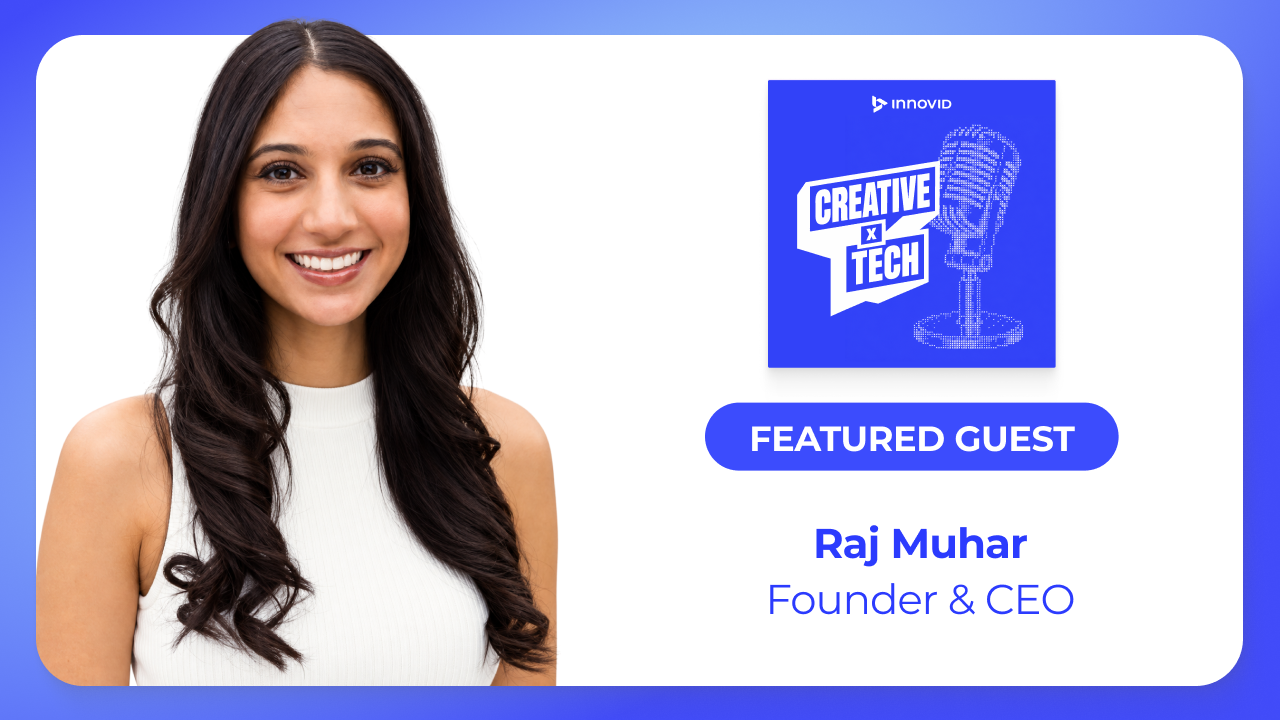
Raj Muhar, startup founder & CEO, joins host Dan Mouradian to discuss AI's role in creative.

C16 Biosciences' Shara Ticku dives into having confidence, intuition, and navigating male-dominated spaces.
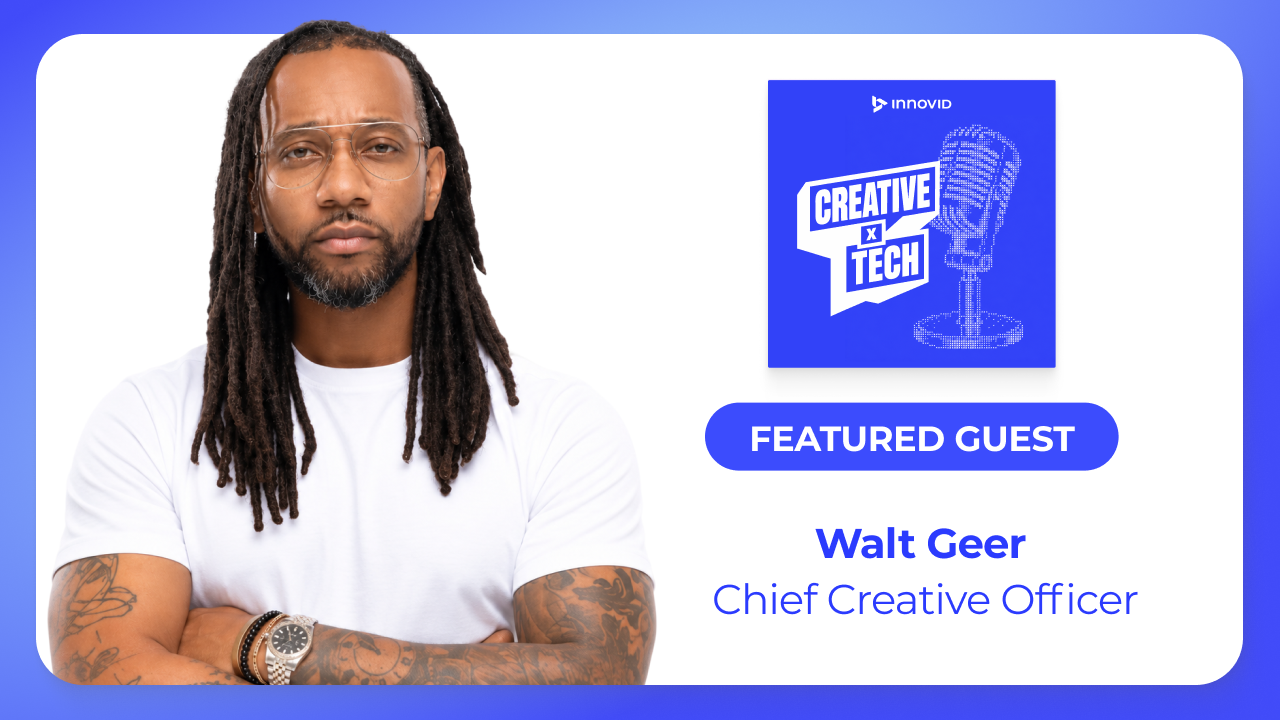
Host Dan Mouradian and Chief Creative Officer Walt Geer discuss taking career risks, emotional storytelling, and more.
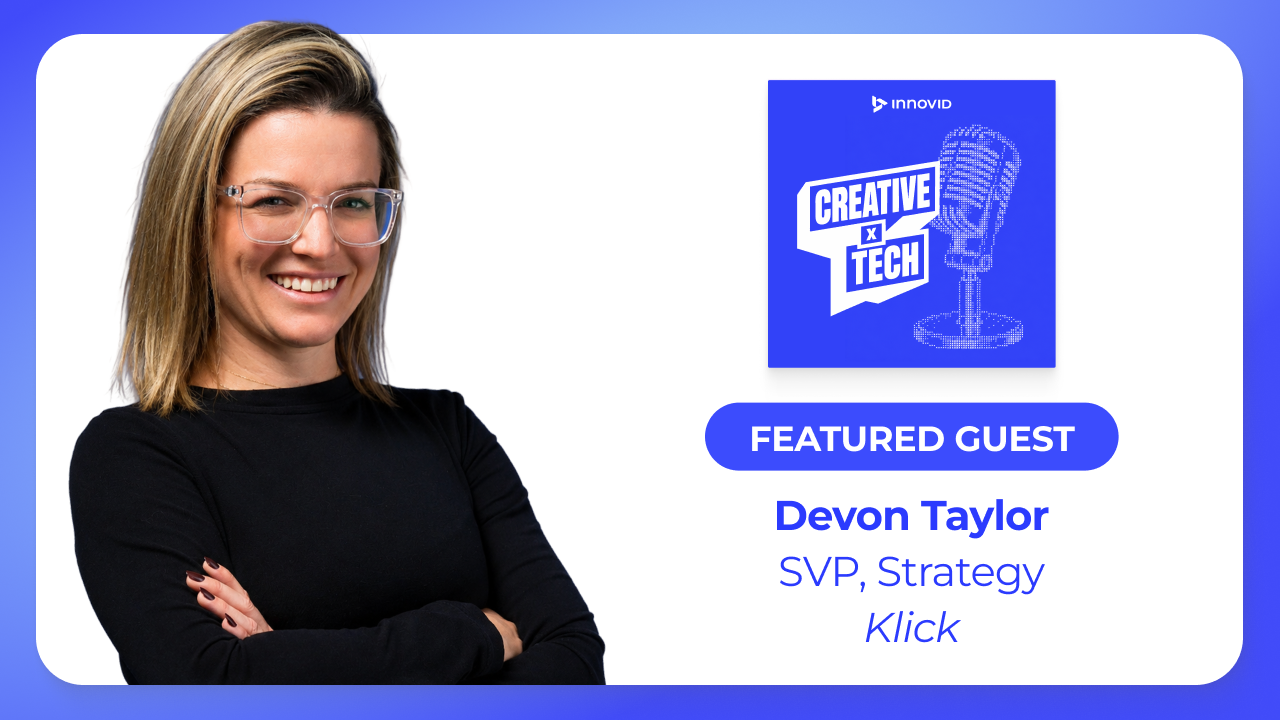
In the latest episode of Creative x Tech, host Innovid's Dan Mouradian sits down with Klick Health's Devon Taylor.
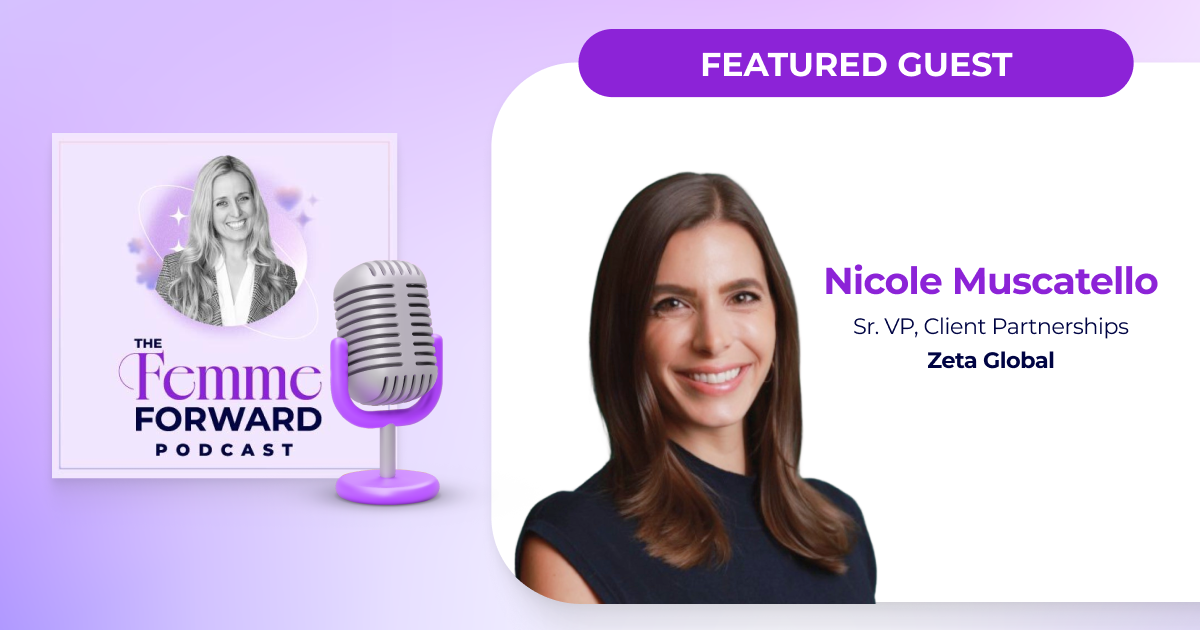
Host Amanda Glen Smith sits down with Zeta Global's Nicole Muscatello.

Xumo's Eli Zang joins host Ziggy Zografakis on the debut episode of The Other Side of the Screen.

Amanda sits down with Lynn Utter to discuss executive presence, career growth, and the double bind.
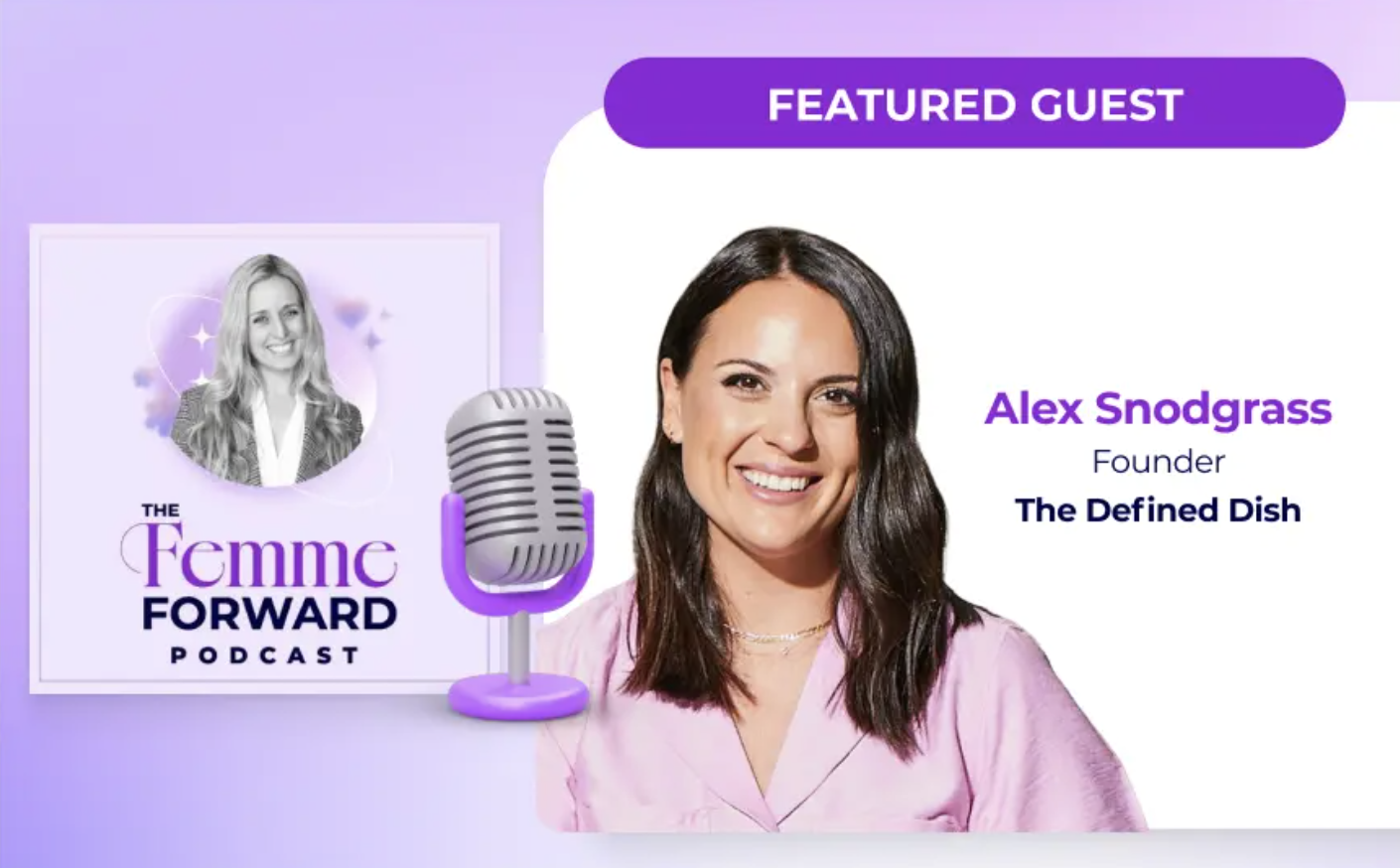
Amanda sits down with The Defined Dish's Alex Snodgrass to discuss her career and what she's learned along the way.
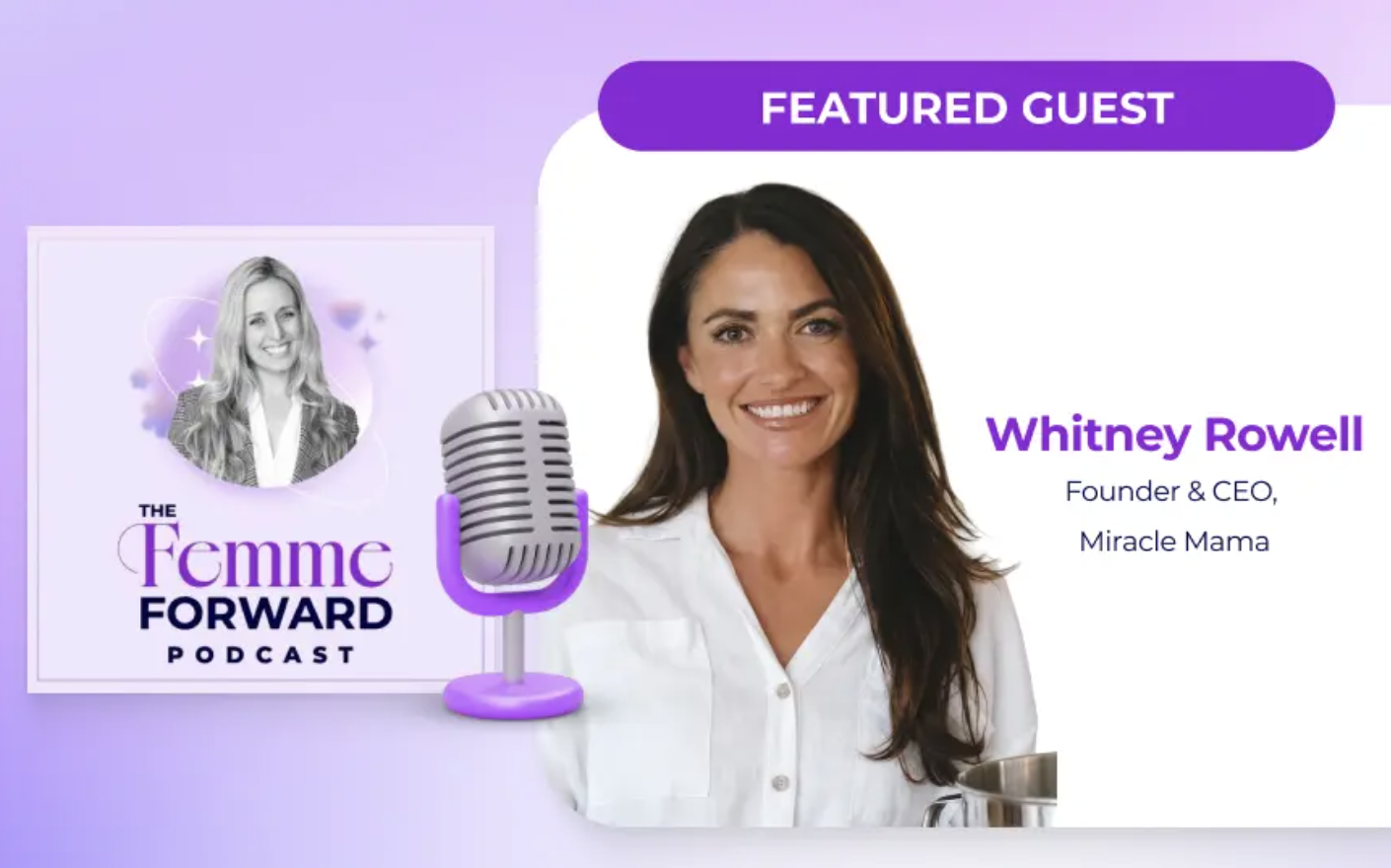
Amanda sits down with Miracle Mama founder Whitney Rowell to talk about building a business from the kitchen table.

In this episode, Amanda Glen Smith sits down with Lori Goode, CMO of Index Exchange.
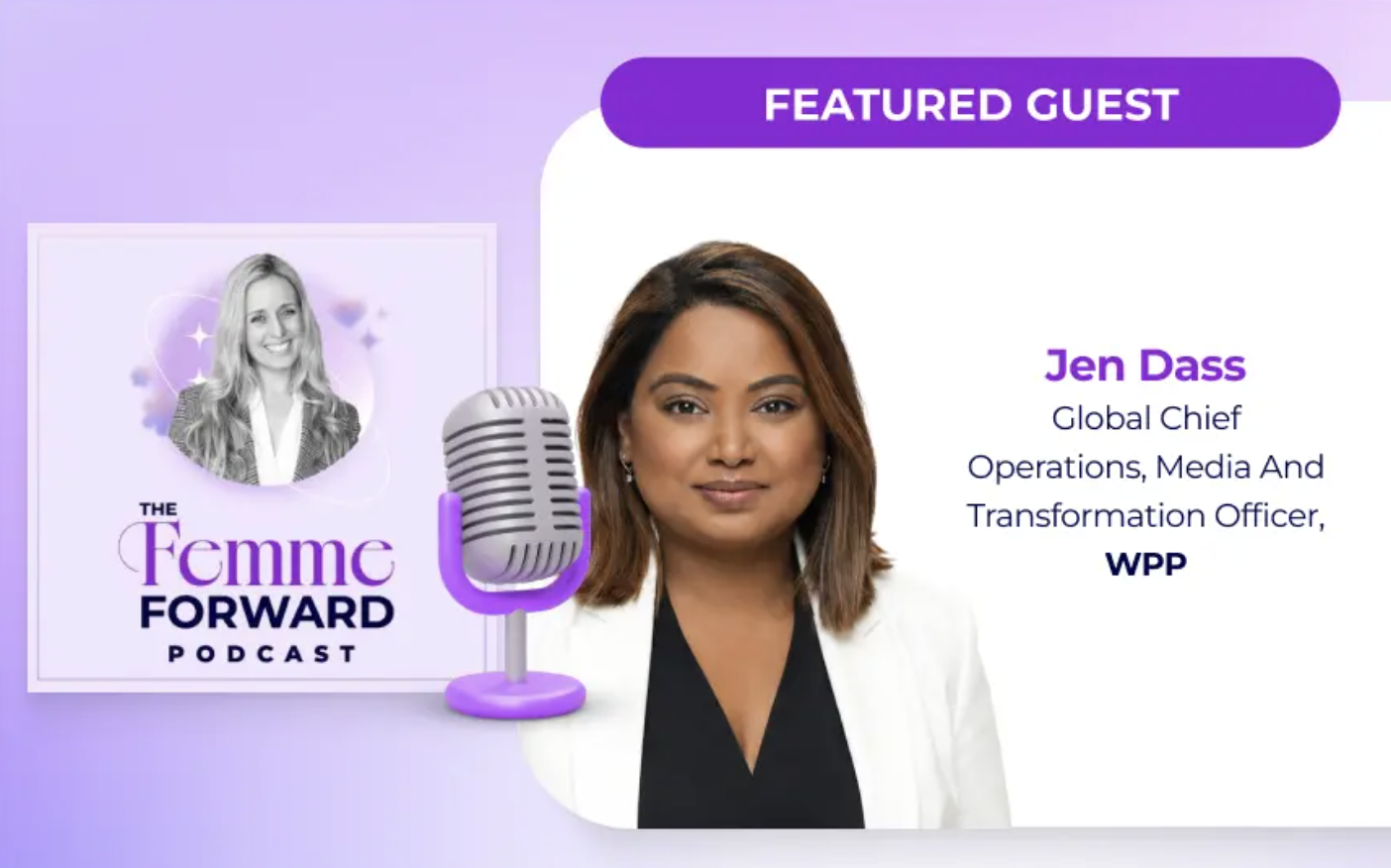
In this episode, Amanda Glen Smith sits down with Jen Dass, Chief Operations Officer of WPP.
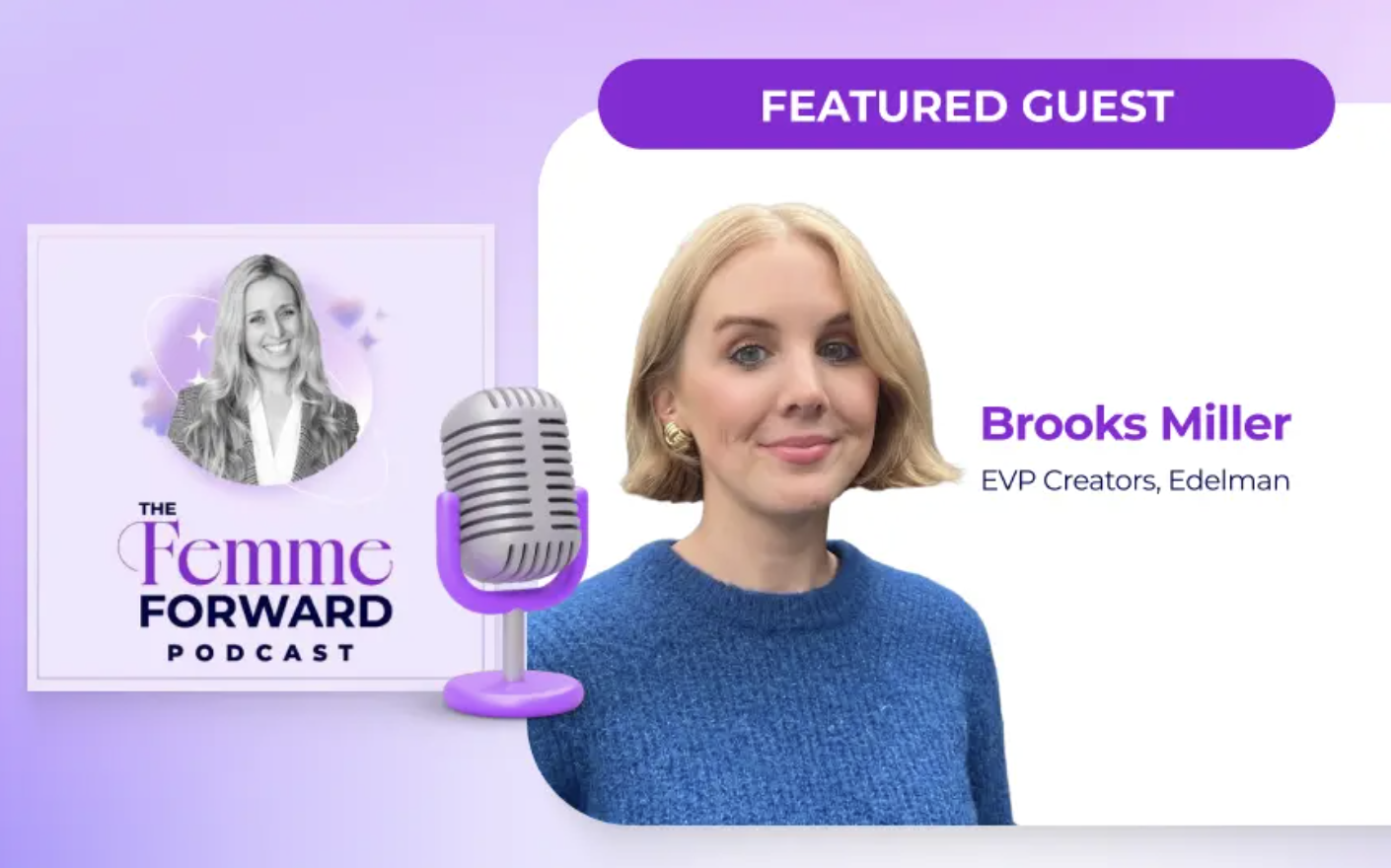
In this episode, Amanda Glen Smith sits down with Brooks Miller, Global Head of Creator Strategy at Edelman.
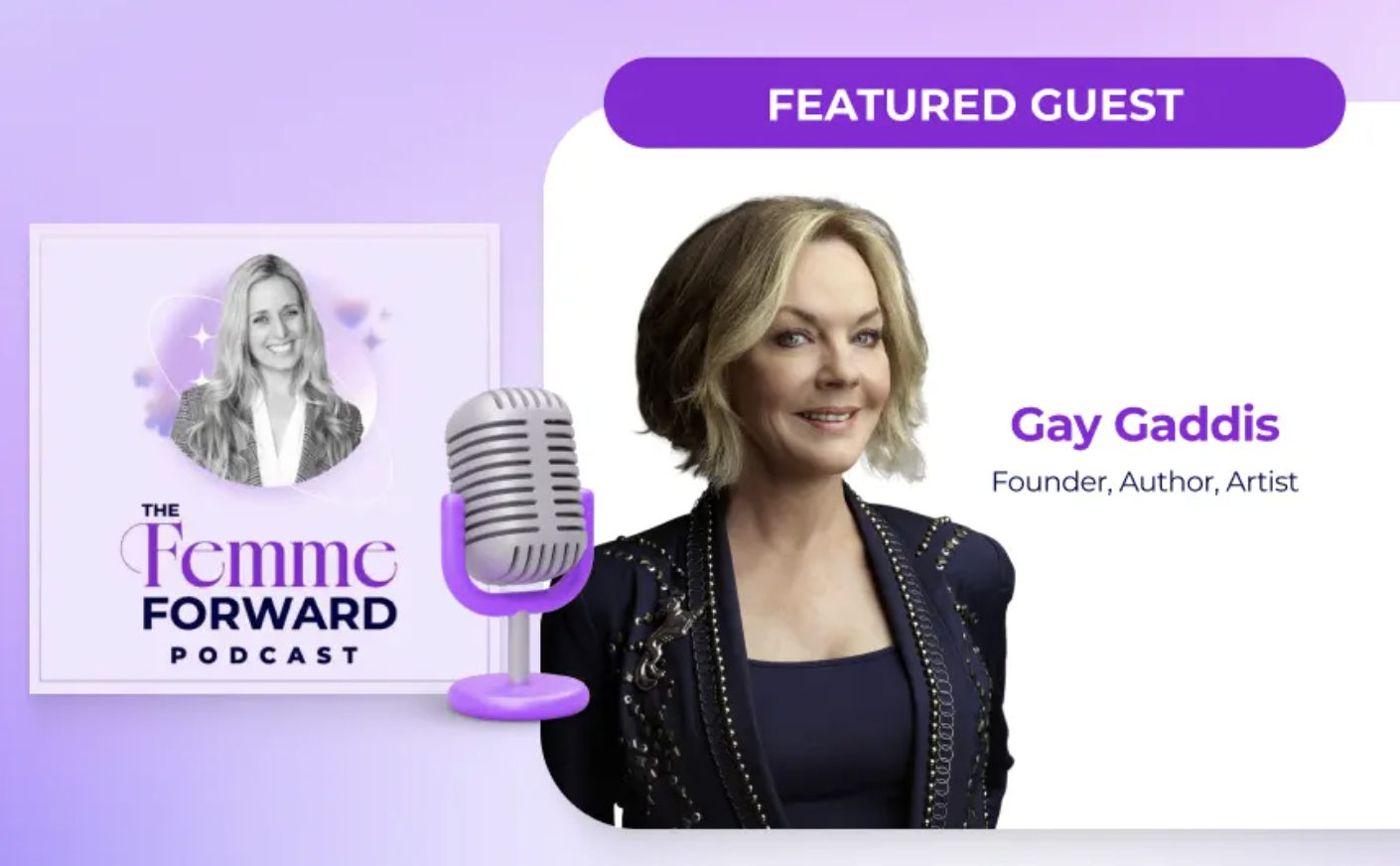
Listen to Gay Gaddis on confidence, risk & reinventing success.
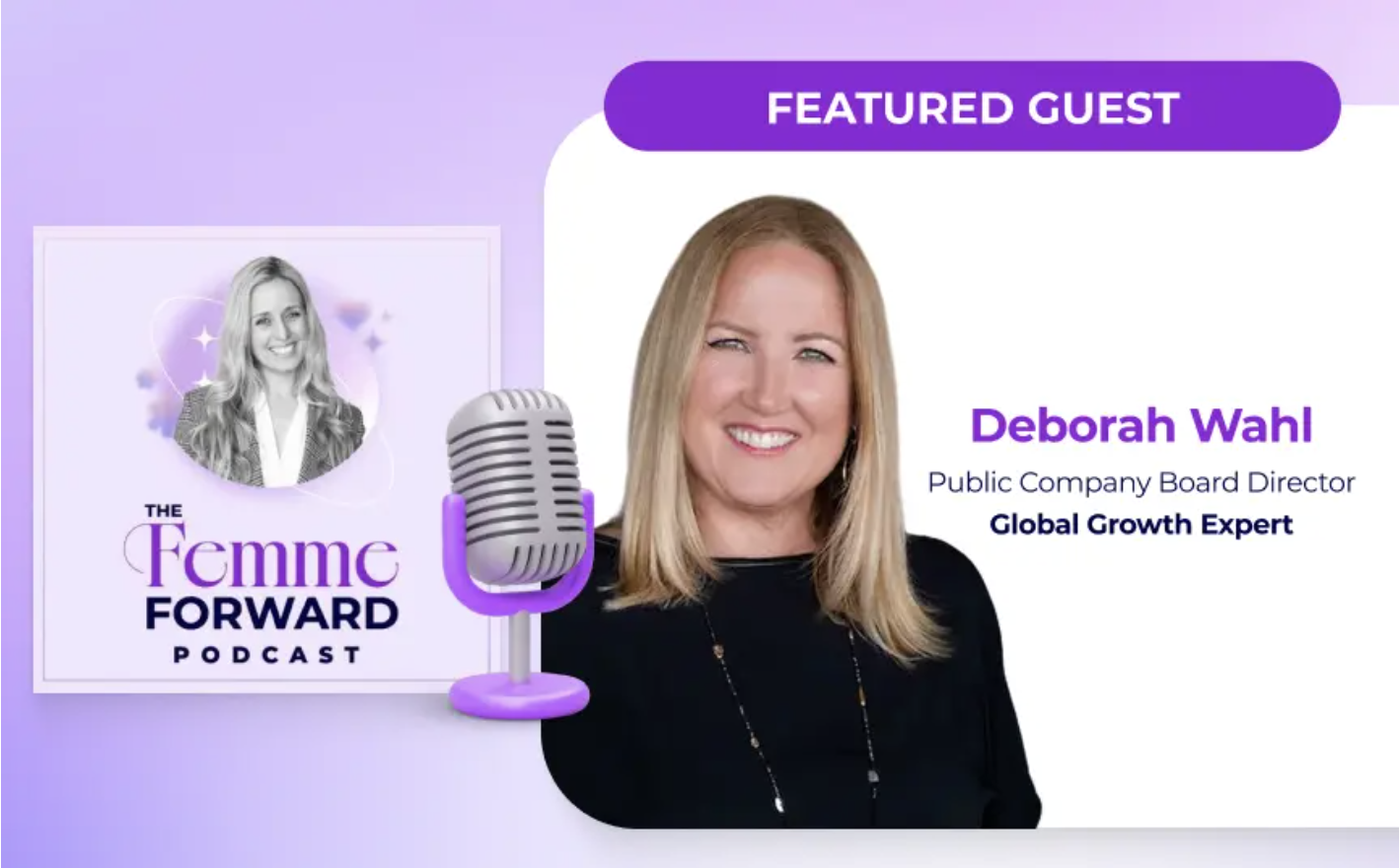
Deborah Wahl shares her leadership lessons, career-defining risks, and personal philosophy.

Tune in to this episode breaking down perfectionism, empathy and confidence.
Amanda and Khara talk juggling work with motherhood, managing delegation, and being your most authentic self.
From the evolution of AI to how it can lessen the mental load, Sarah & Amanda dive into the future of an AI-assisted life.
Amanda sits down with Publicis' Sara Newton to dive into what it really takes to lead, grow, and thrive.
In the first episode, Dan Mouradian sits down with Caroline Levere, SVP, Performance Creator of New Engen.
Listen to host Amanda Glen Smith and Basis CMO Katie McAdams discuss the power of intuition in leadership.
Innovid's Claire Middleton, Juli Goldman & Prisma's Steph Watson dive into the current "eras" of their career trajectories.

Listen to Amanda Glen Smitha and Unilever's Rachelle Schuimer discuss their careers.