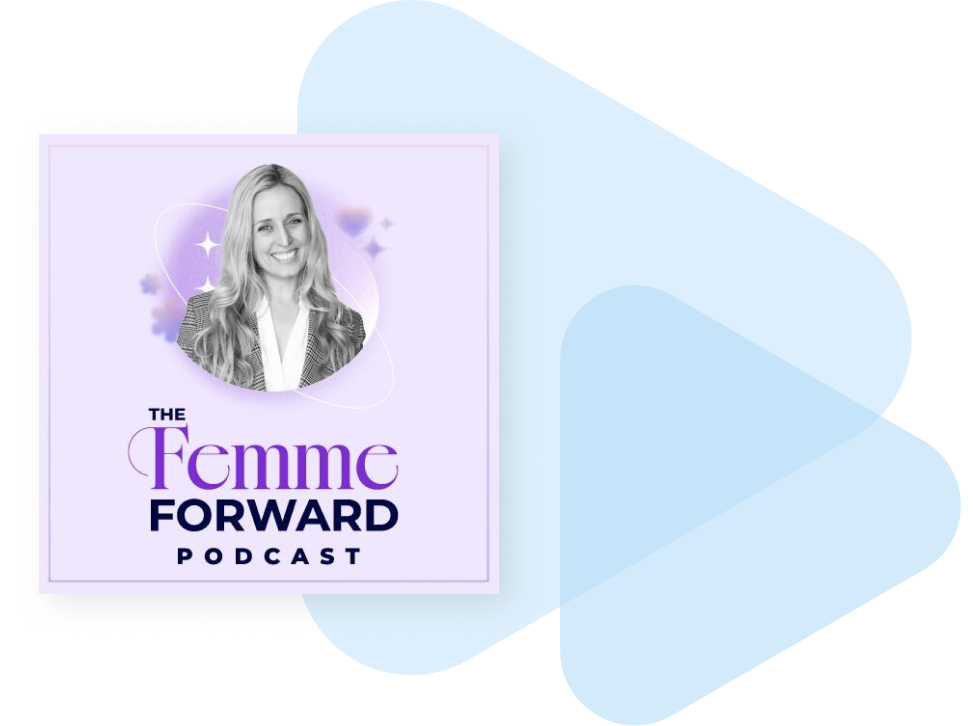
The Femme Forward Featuring Publicis' Sara Newton
Listen now
Click to listen on:


Read the transcript
Amanda Glen Smith: Welcome to the Femme Forward podcast, the series where we sit down with women redefining what it means to lead, create, and disrupt. Amplifying women's voices, whether industry icons or self-starters, from all sectors, creative, media, tech, to share their stories, the aha moments, as well as the hard-earned lessons through raw, unfiltered conversations. We aren't just talking about success here.
We're exploring the stories that shape us and the momentum of what happens when women support women. I'm your host, Amanda Glen Smith. Let's dive in.
Amanda Glen Smith: Hi. Hi. Happy Friday. My goodness, we did it. We did it. Welcome to Femme Forward. I'm so excited. I could not tell you how much more excited I am to be here. Okay, let's get started because we have a lot to chat through and I think we could chat for hours. Okay, so welcome everybody to the next episode of Femme Forward. I'm so excited. I have Sara Newton here.
She's going to start by telling us a little bit about her exciting, incredible role at Publicis, and then we'll get into our first question.
Sara Newton: Hi, for those of you that don't know me, my name is Sara Newton. I am one of the EVPs of Publicis within the PMX social team. My remit is specifically all around growth for our social practice. So social creator, influencer, you name it in the social sphere. I'm responsible for bringing in that growth.
Amanda Glen Smith: Okay, do you remember how we met?
Sara Newton: It was my time at Spark.
Amanda Glen Smith: Yeah, I can't remember. Was it like the full agency or account?
Sara Newton: No, it was Kimberly Clark social.
Amanda Glen Smith: Oh, the onboarding. You're right. The onboarding. Yes, yes. We had a time, didn't we?
Sara Newton: Oh my goodness. That was a time to be alive. It was.
Go us. As I'm sitting here, real-time reflecting, that was a huge feat and we did it. It was a huge migration. And here we are. So look at us on the other side. Yes, I'm forward. Hello.
Amanda Glen Smith: I know. Okay, I start every episode with the same question. So I'll hit you with that first, which is just as a woman, what do you view as your biggest differentiator?
Sara Newton: I really think that in my tenure, I've done a good job of combining authority with accessibility. We work in a world of so many systems, right? I try not to shrink into them or allow them to control what's going on. I try to just know and acknowledge they're there. I think that's what allows me to build projects and teams and approaches that others want to work within and follow.
This philosophy of using my emotional intelligence as signals, I would love to tell you more about that. I think we'll get into it. But yeah, I think I have this good balance of what we're doing and how serious it is, mixed with we're just human beings. Let's just do our best.
Amanda Glen Smith: Yeah, I love it. Okay, so I know you mentioned your role, but let's talk a little bit about your journey and how you got to where you are. I feel like you've done a lot of different things throughout your career.
Sara Newton: Yeah. As anyone listening knows, it's not linear, it's absolutely cumulative. I honestly never had this goal of being an EVP. It kind of just presented itself. I think for me, I've always been super curious and really good at execution, so it kind of just landed in that way. The shift from scope to impact is really what's moved me forward. My ability to get it done, but also understand how it gets done. That system has really, I think in short, because I want to keep talking about other things, how I've gotten here.
I know I'm totally going to cuss, but I feel like getting shit done is a really big quality that you have to have. A lot of people can put the ball in motion, but not everyone can really see it through, you know? I feel like that is a quality: to do something start to finish and have the tenacity to make sure it gets done.
Amanda Glen Smith: Yeah, yeah, no, absolutely. I couldn't agree more. I think you meet a ton of people who, like you said, don't always have both. They're really, really exceptional in one or the other. I think that's why I translate really well up to C-level, and it's why I also translate really well down to the hands-on-keyboard individuals making the idea I'm selling happen, right? So I couldn't agree more.
Sara Newton: Yeah, being that mesh between the two. The connector is what I've been dubbed in some rooms.
Amanda Glen Smith: I love it. Okay, I know you just came off of a crazy pitch like last night or yesterday. Exhale. It's so intentional. And I feel like Publicis is winning business left and right, and you're a big part of a lot of these pitches. Any time you go into pitching new business, like we all know, it's a lot of pressure and you want it to be perfect. You want it to be flawless. How do you deal with and battle that idea of perfection so it doesn't paralyze you in the moment or paralyze your progress? Because a pitch is also not just one massive meeting. Sometimes it can be months and months of this long sales cycle.
Sara Newton: Yeah, no, you're so right. I was actually just reminiscing with someone on a pitch that took like two years. So yeah, there's the consolidated sprint with every last breath, three weeks, or there are these long outputs. Honestly, for me, and what I tell teams that I care about and that I lead, is that perfection is the quickest death for progress. I don't believe in being perfect. If we were, the world would be different, right? So I think the point is it's about the motion through it, it's about the progress to each of the goals, the deadlines, whatever it is. And I think what goes into perfection and progress, this whole topic for me, is the recap. Sitting with yourself after a pitch goes, what would you do again? What would you switch around? Even if that's just personal self-reflection.
That is how I keep progress moving pitch to pitch. And then again, in the pitch, if anyone around me is striving for perfection, I kind of X that out really quick, because it's not the right headspace.
Amanda Glen Smith: Yeah. Wait, I want to talk about that idea a little bit, because I think it's really important, this self-reflection. I feel like it's January, so everyone's doing that right now, right? They're looking back at last year. There are performance reviews. Everybody's thinking about what they did well and what they want to do better. They're setting big rocks for the next year. But do you try to weave that in throughout the year? Because I think, to your point, every pitch has these moments of looking back: what did we do well, what do we want to do better next time? And I think in our industry, we're just like Energizer bunnies, moving so fast sometimes that the reflection part is missing in a lot of ways.
Sara Newton: Yeah, so a few things I do. We're going to keep it real with everyone listening, so I'll tell you my sauce. I absolutely lean on the tools around me. I'm a person of need, I'm chronically lazy but highly efficient. I need the fastest way from A to B that makes the most sense. So, like, free plug, ChatGPT, AI. I use it to reflect on all the things I'm putting in. I ask it to give back to me this kind of summary, right? So if I'm asking it for advice, or I'm writing down things, I'll reflect, use the tool to assess what is going on. And then I honestly put it in a note. There's a note in my phone called Crash Out. If you're a woman, your notes are very secret to you, and they're very, very chaotic.
Amanda Glen Smith: Okay.
Sara Newton: So I have a note in my phone called Crash Out, and there are mantras in there. Like, you know, we were talking the other day about meditating. There are just reminders for when I feel heightened by something and I'm unable to focus. I go back to what I've reflected on, where my goals are, where my grounding is. For example, that isn't always clear. It's not always clarity, but move through it. So. That was a terrible way of answering that question.
Amanda Glen Smith: No, no, no, I love it. First of all, I love that it's called Crash Out.
Sara Newton: It's called Crash Out.
Amanda Glen Smith: What did you say? Chronically lazy, but highly efficient. I feel like that's the perfect... My memoir.
Sara Newton: Exactly.
Amanda Glen Smith: I also think your notes are like when people used to say your best friend needs your password to delete your Google search history. Your best friend needs to delete all your notes. Or for me, voice memos, which I feel like a grandma for, but I'll just record random thoughts. I'm like, I want to say this in this pitch or whatever it is. And then you look back and you're like, I have no idea what this is. Like, there's a random note that just says "Apple," and I'm like, what? Then there's a full-blown letter to my mom. It's crazy. But I think, really truly, everything you're doing, you should check in with yourself after and see how it feels. Write down what you learned. Write it down.
Sara Newton: I write down what I want to remember, and then I reference it when I'm heightened. That's really nice.
Amanda Glen Smith: I love that. One thing I heard recently on a podcast, I don't know what it was, so I'm not going to quote it, but it was: instead of reflecting on what you did well or not well, reflect on how you felt.
Sara Newton: Yeah.
Amanda Glen Smith: And how you want to feel moving forward. Do you want to feel grounded, supported, confident, whatever that is? I thought that was a really interesting way of approaching it and shifting that mindset, versus this never-ending to-do list because you can't get through it all.
Sara Newton: Yeah. I was raised like you're entitled to feel any way you want. You're not entitled to act on that in any which way that might be chaotic to others. So I've always had this practice of writing down how I felt and then translating that into action. I couldn't agree more. I think it's super helpful and cathartic. Leave things where they are, let go of it, and move on, you know?
Amanda Glen Smith: Yeah, we just got our first question. What do you do? Do you do anything specific for your wins? Obviously we post-mortem on all of our losses. We lose a client or we lose a pitch. For wins, do you do anything specifically for your team, or does Publicis assist to really highlight what went well?
Sara Newton: Yeah, so I'm huge on this. Spoiler: no one cares more about your career than you. Not even your mentors, not even your boss, not even people who tell you they care about your career. You are the number one advocate for yourself. I've experienced ageism in my title, so I learned this very early on. If you're not advocating, no one else is. So I do things like recaps. Positivity in the way of merchandising is pretty easy. If you take the approach of "I'm excited," it comes off super humble, because that's the intention. I literally just did this last night. I sent it to all of leadership, like, hey, this was so exciting. Here are the three wins that I loved about this. This group was a pleasure to lead. Keep it to three minutes. And at the bottom, like I said, I feel like every person on this team needs to be recognized by name to this group. So I listed all 32 people.
Amanda Glen Smith: Yeah.
Sara Newton: I just think there are ways to tap into how you behave as a human being and apply that at work. That's really been my approach for years, and it's gotten me very far.
Amanda Glen Smith: Yeah, it's also contagious. You get a good email thread going, or a Slack chain or whatever, and people are piling on, right? They're like emoji after emoji, "love this team, way to go." But you send your post-mortem and it's crickets. People are like, well, we learned a lot, and no one wants to chime in, right? I feel like it's one of those things where if you start it, the rest kind of flows.
Sara Newton: Yeah. And it's like knowing your audience. I know from talking to the head of growth, like, I'm explaining how the commercial model was clear, and that's a win. There are ways to do it if you understand your audience. But I think you should be merchandising those wins. If it's a slide or an email, it doesn't matter. It could be a text. Either way, as you check in with yourself, the moments that felt good and that you're proud of, you should grab a little megaphone and point it at something.
Amanda Glen Smith: I love it. Point it upwards, just shout it. Okay, so you're in the EVP role, right? I am assuming you didn't get there without delegating some of the stuff from your prior roles. Let's talk a little bit about that skill. What works for you? What hasn't worked for you? What's the hardest thing for you to take off your plate when you think about delegation and moving into your next chapter of growth?
Sara Newton: Yes, so delegation was very much a learned skill for me. You know me, anyone else who is close to me could guess that. The hardest thing for me to let go of was being the fixer, and it's still today. My brain is almost like a hardwired computer. It's problem, solution, problem, solution, and the problems look the same and the solutions just have iterations. So oftentimes I'll be presented with something and I am ready to sprint toward that solution. I don't take an approach of tossing people to the side while I do that, the way others do. I take more of an approach of, I'll just get it done. But that takes away from others. It takes away learning, and I think trust comes from clarity. I've managed hundreds of teams within Publicis and beyond, and I think it's super important for people to hear the expectations and understand what you expect. And then you have to let go. You have to really let them do it their way. A and B are different, but is one wrong? Maybe not.
So I personally do this in writing, so that I'm not like, was I clear? Am I going to get back something that I have to repackage? If I'm explaining something and I'm like, hey, I need this and this and this, I'll follow up with an email and write it out for reference, so that I make sure that I'm clear. It has helped me let go, and it has really allowed others to step into this fixer, exploratory part of a team.
Amanda Glen Smith: Yeah, and it's one of those things that sounds great. It takes a little bit more time than just telling someone, but then you're not questioning or wondering if your intention was clear. I think this goes for myself too. I think allowing others to struggle a little bit is where confidence and capability are truly born. Within the guardrails of not exploding, you should be able to wobble through that experience to develop the outcome that you can scale later.
Sara Newton: Yeah. I think everyone wants to be good at what they're doing, but do you want to do the exact same thing every single day for the rest of your career? You want to do new things. And those new things are challenges, and they often come from other directions, while you're just day-to-day in your job or what a client is requesting of you. So I think those challenges are about lowering the bar, lowering the expectation. It doesn't have to be 100% accurate. I wouldn't even get it there, because I have no idea, this is new terrain, whether it's AI or whatever. You say this is clarity plus 80% baked, and then we work on it together.
Amanda Glen Smith: Right. Everything is data. I just had a leader tell me this the other day. There was a milestone that was missed and I was a participant in that, and I was like, dang, I shouldn't have taken someone else's word for it. But it wasn't my position to take 100% ownership of it. So it's really just data at that point. Take it in. Okay, cool. I need to explicitly ask the person leading, "Did you check this part?" and not just assume that they did and keep it moving.
Sara Newton: Yeah. Okay. What about your journey and getting to where you are? Was there a make-or-break moment within your experience that has fundamentally changed or shifted how you view what you're capable of?
Amanda Glen Smith: This is a good one, near and dear to my heart. I weigh my logical and emotional self about equally. That's just true to me and my ethos as a human being, and therefore it obviously is going to happen at work. We don't shed ourselves when we walk into our buildings or log on. We wear different masks, but we're still us. So I really had to figure out early on who I was going to be, when and where, and when to tap in more logic and when to tap out more emotion. That was a struggle for me when I started my career, 15 or 18 years ago. But over time, through experience and checking in with my body, seeing the results, and understanding the perceptions I was creating around me, I've learned it's both. I would not recommend suppressing one over the other. You have to understand that emotion is the data and structure becomes the logic. So how do they complement one another? As women, we have this gift, right? We're different than men. Our brains, the way we feel, the way we think, I've turned it into this superpower versus something you want to suppress.
Sara Newton: Well, and if you do suppress it, it eventually comes out somewhere else, right? You explode. You'll cry in the bathroom. It's undefended behavior in whatever meeting you're in. So it's like, you will not check the Crash Out note. You will just crash out in real life, and you'll be like, wow, that was not the way I wanted to show up. So I think if you learn to harness both and welcome both to the stage, I have nieces, so I'm thinking like the Emotion movie. If you allow anxiety and fear to show up next to joy and your empathic state, you can be really impactful, and people enjoy working with humans. I think that's the underlying theme.
Amanda Glen Smith: Yeah. And we've talked about this on an episode prior, there was this whole movement of "bring your whole self to work," like 20 years ago, right? And it's very confusing, because people are like, well, I want to be passionate, but if I'm a woman, I am highly more emotional. There's this taboo around the word emotional. I think the shift is: it's not emotional, you're passionate. You're passionate about something, whether that's people, your team, your project. Use that passion. It's fuel. It shouldn't be suppressed, right? And that's why you have a different voice. It's been an interesting evolution, even in the workplace, of what is viewed as acceptable or needed.
Sara Newton: I agree with you. I remember when passion was a bad word. You didn't want to be associated with passion, and now culture is the hot word coming back up, and culture is emotion, culture is feeling things. So the irony is palpable for me. I think things like that are really funny. Like I mentioned earlier, I don't really understand the systems. I'm not here to fit in them or break them down. I'm here to work with them. So I kind of just flow. I have a flow state through them, but it is funny to me.
Amanda Glen Smith: What's one thing you do to make sure that whenever you're trying to communicate something you're very passionate about, you're doing it in the logical state? Because I do think there's a time and a place for that passion. That's passion plus professionalism. Someone and I were just talking about this last week, like, what are some of the tips and tricks you use?
Sara Newton: For me, it's all about tone. I really learned this in my personal life with my mother specifically. She's in our industry. She's been an icon for me. I think that as I've grown, I've realized you can say the same thing in a frantic tone as you would in a very clear, controlled, breathing tone, and they are absolutely different movies, different outcomes, right? So I really think it's kind of like Barre's nine. I hope I look like the ray of sunshine I'm trying to portray. I also have this part of me, my French, no-bullshit line. It is there, it's definitely there. If we've crossed it, it's all business, and we get right to what's going on, and I'll explain either this isn't serving me, or this isn't profitable, or whatever the case is. So it's about moving toward that and having the confidence to know that when you're done with the conversation you're having, you'll be proud of the way you showed up. That's a lot of the check and balance for me: when we're moving over that line, am I going to be proud of the way I handled this? It's like, honestly, as if I've stepped into a room, right before I start speaking.
Listen, I think the guiding light and principles you have as a person and how you show up are really the ethos at work. We talk about values as humans. Everyone listening, what are your values at work? Have you written them down? Do you know where they are? I think of it like that.
Amanda Glen Smith: I think that's a perfect way to say it. And I also think, when you leave one of these conversations, are you going to regret how you said it, or are you going to regret not saying it?
Sara Newton: Yes, if you leave something behind, you're absolutely right. Exactly. Are you proud of the way you showed up? Did you say everything you intended, not just how you showed up, but the context of what?
Amanda Glen Smith: I totally agree with you.
Sara Newton: Yeah.
Amanda Glen Smith: Okay, so I know we talked about being an advocate for the team and shouting out wins. How did you learn to become your biggest advocate for your own career, as you mentioned earlier, and become that storyteller?
Sara Newton: Well, I dropped the spoiler earlier, but honestly, no one cares more about your career than you do. And I mean, no shade to that. It's just a simple fact. My mom is an executive in our industry. She's been at it forever, so I learned that self-advocacy mattered. I grew up in a home where her office was where I grew up. Her door was always open. I feel like I was micro-dosed with this type of ideology. But our industry is storytelling, and our careers should be no different. I think this year I've really tried to embody that. Sara is a really important client I have too. The way I show up for publicists, the way I show up for my teammates, the way I show up for our clients, I need to show up for myself in that same way. And the old PR phrase, if you don't tell your story, someone else will, and they'll probably get it wrong, right? So I often try to get ahead of the gray and make sure that I am perceived the way I intend, and I'm also listening and trying to iterate along the way.
Speaking of the gray, I feel like your role is a little bit gray right now. There's so much going on, and you're kind of living in that gray area. What has surprised you most about your role as an EVP? What didn't you expect?
Amanda Glen Smith: Yes, so much, right? But as you grow in a role, and you are, Madam Chief, within an organization, the higher I've gone, the more I recognize that the work becomes almost invisible. There's less "get this ad live by Thursday and report back to me," and more interpretation of what needs to be done to move the business forward. That shift didn't catch me by surprise, because it's intuitive. We work in an organization that needs to move ahead of the future, with innovative times. But the percentage of my 100% effort that is left for critical thinking on how to move the department, the goals, and the overarching needs forward, and anticipate and move through the gray, is more than I initially thought. As I speak to people in our roles at higher levels, I've learned that's common. It's more intangible, which is a hard shift if you're used to getting things done, getting things live. "We hit this revenue goal, we did this QBR, we won this pitch," moving, moving, moving. Your target becomes a very different type of target, and it's intangible. It's a lot harder to feel like your progress is mattering, and it will, it's just a longer timeframe.
Sara Newton: Yeah. And with that, I don't know if you can relate, but you're almost left more to trust your gut and your own ability to show up, because you don't have this map. You and I are charged with finding the gaps and filling them with revenue and happy clients, right? So what can that look like? I guess anyone holding the paintbrush could tell you, but it's really that ability to move in the gray and learn when to ask for help. I was really bad at this, but I've come to love it, and it's super important.
Amanda Glen Smith: Yeah, I feel like there's no performance review. There's no job description. You have to write that all yourself, in a lot of ways. As soon as you recognize that and you're okay with that, then it's about what the data says, but also what your gut says, what your intuition says needs to be done to make sure you achieve this larger, bigger goal. It's a total mindset shift that you didn't anticipate, or I didn't.
Sara Newton: For sure. I didn't either. Being a more spring chicken and looking up at these idols I had, I was like, it's so clear to them, they know exactly what's next. I used to think job crafting, any job descriptions I read for myself, that was like a diamond, far and few between. And now I don't remember the last time I was like, there was a role, versus a need that I fit into to resolve and bring in revenue. Do you know what I mean? Success has shifted.
Amanda Glen Smith: Yeah. Okay. So with that, obviously I think a big part of any job, but your job specifically, is what are those goals? How do you set your goals for the year or for the quarter? What do you look for? How do you approach it? I have a feeling no one is telling you exactly what you need to do. So how do you approach it?
Sara Newton: Yeah. I've always taken this in two buckets. There's a lot I can feel good about doing, but what is going to get me up and excited about doing it? I either need to be learning, or I need to feel joy and happiness about what I'm doing and putting out. If a situation becomes bad for you, I would assess it through those two lenses. Can I take a different outlook and really learn from this person or this project, and just focus on checking that box, getting what I need, and then moving on? Or am I loving the people around me? Do I think the client I'm working with really adds value to the planet? I just met a CMO who is doing things that I was like, this is incredible stuff. This is amazing stuff. I'm disappointed to tell you that that felt foreign, but anyways. I think it's those two things. And then, as I've reached the state of leadership, I have hired a career coach, y'all. I was the person who was like, I don't need that. I don't need a career coach. People call me when they need career advice. I don't need to pay someone to give it to me.
Amanda Glen Smith: Wrong. Wrong, wrong, wrong. If you want a career coach, look for them, hire them. I have someone I can recommend to you if you're interested. If you don't think you need a career coach, you absolutely need one. There's something super powerful in that kind of serviced third-party assessment of what's going on, the advocacy, and that cheering-you-on girl energy, plus the reflection and the gut checking, like, does this make sense? My career coach is a woman, which just happens to be a coincidence, honestly. I think adding that to your goal setting might help if you feel stuck, if you feel like, I did this last year, or I want to get to this next level, and I feel like it's not equating to output. I would challenge you to look into that.
Sara Newton: It's been really awesome for me, and I've only been working with her since December. Wait, this is her? Oh, sorry, sorry. A year? What day is it? January. October, I started working with her. So it's been very short, but I think for someone like me, if I sound familiar to you, I'm kind of all over the place. It's been awesome to sit with her, organize what's going on, and then have a clear path, a two-year, three-year path, which I've never had before. And then it allows me, as I'm in situations, to ask, does this align to the goal right now, or in a year, or in two years? And it helps me decide.
Amanda Glen Smith: Yeah, I totally agree. I couldn't agree more. It is the... Do you have one? I do. And I feel like it is the most... But I was anti, just like you. I was anti. I got one and I thought I was doing something wrong. I was like, why are you asking if I want a career coach? I must not be performing. And it was like, what? This is my friend, I want to introduce you. I feel like you all would get along. And I was like, okay. And I love it. I feel like there's something so unique about a third party who knows enough about our industry or our space, but is not your boss or your colleague or your friend. All of that is like talk therapy. All of that is just, I'm in an event, or we're going to figure out a real solution. When it's your career coach, it's literally about a totally different lens. And similar to your point, it was just gnarly, the type of reflection you need to do about what you want for your life.
Sara Newton: Yes. I've even asked myself that. I totally agree with you. And on that note, it was everything I knew, but I was never honest with myself about. You didn't say it out loud. You're like, I actually do want that. Not just in my career, but how it all merges together, because, to our earlier point, it is all related. I think it's great. I also think there are multiple versions of this. You don't have to go full, crazy executive coach. Those can be really expensive. There are a lot of options, but there are multiple ways to get you there along the way. I feel like just taking that reflection again with a third party is well worth it.
Amanda Glen Smith: Yeah, I agree with you. I feel like my coach, I call her more of a partner. We're similar in age, she left corporate but stopped similarly to where I am, so it's this partner in what's going on. Don't get me wrong, y'all, she signed three NDAs. I'm a planner, but she knows everything. It's like you said, this third party who you can talk about money with, every dollar, every genuine thing, and they get it, right? I talk to my beautiful, incredible boyfriend about it, but he's a first responder. It's very different from what we do. You know what I mean?
Sara Newton: Yeah, totally, totally.
Amanda Glen Smith: Okay, I love this. All right, let's go back in time a little bit. You talked about your mom and how she is an incredible executive and icon. What lessons from girlhood shaped you and how you show up today?
Sara Newton: My mom will be so pleased we're all talking about her. She is incredible. I watched her raise four children and be the breadwinner, and it really normalized leadership for me. I think that's why it's part of my DNA, almost. It's less aspirational and more practical actions I've seen time and time again. I'm also the eldest.
Amanda Glen Smith: No. Right, could you tell? Eldest sisters rise. I'm all over that side of TikTok, but I think responsibility came early for you, and you're not someone who shies away from it.
Sara Newton: I try to really let it engulf me and guide me. So, yeah.
Amanda Glen Smith: Yeah, I love that. If my kids ever describe me as an icon, I have made it. That is all I want. You guys would be like, bye, Sara, we're good, see ya. She's just magnetic. She just turned 66 on Monday, and she was one of the first women in business to really rise, lead teams, and take over markets and territories. She's incredible. I don't know if we talk about that level of women in business enough, the ones who are about to retire, who set the stage for us. We're living in a time where my partner will be my partner forever because we share tasks. Back then, my mom didn't have a partner who shared tasks. She was raising four children, being the breadwinner, making dinner, putting us to bed, waking us up, taking us to school, PTA moms. You know what I mean? Your mom does so much. It's crazy.
Sara Newton: I also think what they call the second act is basically what your mom is. I have a lot of mentors who are still performing, still executives, but now they're on board seats. They look back at everything they did when their kids were small through when they were older, and they had to stay in it. They had to continue to do it to get to where they are, but now it's their second act. It's a totally untapped area that I don't think we dive into enough, because sometimes it's the prime.
Amanda Glen Smith: Yeah. And we were both in Chicago for meetings separately, obviously. I met up with her team for dinner, just to take a moment with your parents' work, the people around your parents at work. It's such a crazy feeling. It's allowed me to see... I was with a group yesterday, and this woman was talking about her kids, and I'm like, this is someone's mom. That's the way I feel about others. I hope they're treating my mom fairly at work. It's this crazy, beautiful philosophy that I feel should be cherished more. Shout out to Cathy Lee Newton. She's a G, and if you know her, you love her. You spend so much time with people at work, and they know your mom through a totally different lens that you get to hear from and learn from. It's cool. I love that.
Let's talk about, again, being your authentic self, and how you've evolved to make sure you're bringing both your emotional self and your logical self. Have you ever felt, or do you ever feel, like you have to soften your identity, if you will, or downplay some of those parts of yourself as a woman?
Sara Newton: Yeah, I hate this topic, but it's important. I think we all can tell a story about a time we felt pressure to soften ourselves, or were literally asked to do that. And I'm like, where's my Crash Out now? Because it's about to happen. But over time I've learned to evolve my approach in a way that doesn't compromise my ethics, my values as a person, or the way I show up at work, things of that nature. Word choice matters, tone matters, but at my core, it's all the same. I'm true to myself. What I'm adjusting now and what I'm softening are my synonyms for words. The way I just tone it down and make sure you feel the environment is a lot more friendly, versus me being like, are you kidding? That kind of storytelling is what, at the end of the day, ensures that I'm showing up appropriately, professionally, respectfully, but also for myself.
Amanda Glen Smith: Yeah. Like we said, you don't want to regret how you said it or not saying it. I feel like that's a big part of not necessarily softening yourself, but just pausing before you go into some of these.
Sara Newton: Yes, absolutely. Don't soften yourself. I'm like, don't do that. You don't need to do that. If you're in the role, you're in the role for the things that define you in that way. I would say learn how to channel them appropriately. That's maybe the right balance. Harness them.
Amanda Glen Smith: Yeah. Okay. We talked about shout-outs, shouting out the team for wins and celebrating. How do you make sure that you lift other women up as you climb and go through the ranks and all these different roles in your career?
Sara Newton: I love this, and I have thoughts on the reverse of this. I think inherently I want everyone around me to win, especially the women. I don't want anybody to be losing. But for me, it's about sharing outputs, creating visibility, naming excellence, giving flowers, really showing up in a way that... If you're able to explain to your boss's boss how someone under you succeeded, that's a direct reflection of you, and you don't ever have to even talk about yourself. If you really believe in that mindset, it becomes inherently natural. My hot take, perhaps, of the whole time is that women can actually be your worst enemy at work. I've experienced this a few times, in networking situations, at actual establishments where you exchange money for access into a network, things of that nature. I would hate to hear that anyone has a similar experience, because I would feel a sense of community there. But sometimes women are the hardest critics around me, and it's difficult. What comes into play for me is a psychological and sociological understanding of what's going on, where they're also balancing their emotional and logical selves. If I can show up and give grace, and maybe laughter internally, I can move through situations that feel really nasty sometimes and really embarrassing sometimes. My no-bullshit line is there. People close to me know it's there. So I sometimes have to have a one-on-one conversation, like, what's going on? This feels icky. There's enough to go around, there's enough to own. Sadly, it happens a lot more with women than it does with men, in my experience. So what I try to do, and why I advocate for the people around me so greatly, is because I try to balance out the universal mishap I've experienced. I think that change just comes from being generous and transparent and sharing the success. Pitching is a team sport. It is a team sport, and I am on a very understood team sport, so that shared win is established, versus this hierarchy of credit. It's a better environment now for me, but in my career I've had some really weird situations that have not felt good.
Amanda Glen Smith: Yeah, that's so interesting. I was listening to some podcasts, and I should actually write these down so I know who to cite, because they're not mine. I listen to a lot of podcasts, I'll tell you that. I try to zone out with them when I'm doing something. But it was this whole thing about the corporate ladder and females climbing it. What if it's just not the ladder? What if it's a hot air balloon, and everybody gets in and you rise together? This whole concept of glass ceilings and ladders has put this perspective into females' brains at a very young age, right? We learn about that in college, and then you try to grasp it through your career. Certain people come at it from a competitive spirit versus a collaborative one, and I think, to your point, how we change that is individual by individual. Sometimes it has nothing to do with you or the fact that you are a woman. It has to do with their own journey and whatever has happened to them or what's going on with them. I like your direct approach, that you know your bullshit line. Yeah, no, I agree with you. And I think at the end of the day, we're friends and daughters and mothers, and I've said to someone before, be for real. What are we doing here? Let's log off, let's go have our lives. This is work. Let's just do our best. I agree with you. I think the very old, stone-age tone of "climb the ladder" creates this off-balance foundation from the start, right?
Sara Newton: What do you mean? Social is such a huge space. I've never felt competition with others. I've felt it with myself, and it's how I reach and grow, and it's my why. I don't ever feel above or better than other women at work. It pains me when my nine-year-old niece comes home from school and tells me about the girl who's bullying her, and I'm like, why does this feel like something I just dealt with this week? You know what I mean? It's bad. It's like you said, how we change it. Let's just stop, let's not fit into what softens our emotional state. Let's use it as our power. Let's call it out. Hey, this feels weird. I would love to be included next time. I felt like I was excluded. I know that wasn't the intention, but I would love to be a participant in what's going on instead of just being mobilized. Okay, yeah, totally. Oh my gosh, I didn't know I made you feel that way. I'm so sorry. Next project, hey, this person is going to lead it. It feels so much better. Nobody's upset. No one's crashing out. Nobody's giving attitude. And again, this is all under the foundation that we're humans. I would love to see more women be kinder to women at work sometimes, for sure.
Amanda Glen Smith: Yeah. Okay. Before we move on to life beyond work, I know you're so heavy in the social space. We've gotten some questions, so let's talk about it for a minute. How do you stay on top of it all? The changes in social, the movement, the influencers, you name it. It is so much part of your job. What are some tips and tricks you use to make sure you're understanding the latest and greatest?
Sara Newton: Yeah. So, great question. My Instagram bio used to say "head of social by day, anti-social by night." I make sure what I'm taking in is intentional, and absolutely the way I need to receive it. My email blasts are super curated to what I'm looking for. I have a few that I love, and I can absolutely give them to anyone interested. And then I have a Finsta. Every amazing girl has a Finsta. Get yourself one, be yourself on the internet. That's where I'm kind of just populating the creativity that I personally seek, which I'm fortunate enough to be paid for at work. That translates into pubs, influencers, and creators who I feel are wingspanning across diversity and innovation and all of this stuff. And then, lastly, events. I try to show up at industry stuff that's really going to be impactful and give me the insight and the tip-off on where we need to go in the future. So when we're not in our building or logged onto our computers, my brain is never off. I try to make sure that when work interjects into my personal life, it's done in an intentional way. I hope that answers the question, but I'm happy to talk more. Get yourself a Finsta. I hear it's a bunch of weird stuff. Look for the stuff that inspires you.
Amanda Glen Smith: Okay, let's move on. I mean, it's all connected, as we just talked about. Let's move beyond work. What is one non-negotiable that you have, and what is a major trade-off you feel you've made to get that?
Sara Newton: Gosh, non-negotiables for me are my mornings. They've become this quiet, uninterrupted, no-one's-awake-around-me time. If you're my boyfriend, you're not. Even if they're short, it looks like coffee, it looks like no phone. It could be an hour or 15 minutes, but it's honestly where I ground myself. I'm going to really start my day in a proper headspace. That's super important to me. And those types of rituals translate a little bit to family dinners. I've been on pitches where I've said, I am not available from seven to eight. You can call me at 6:50 and I will hang up by seven, or you can call me at eight, but I am unavailable. I feel like those boundaries are refreshing and good for you and for others around you.
Amanda Glen Smith: Yes, they give people permission that everyone is internally seeking, right? For some reason we all are, but because of our industry and how fast-paced it is, the second you do that and tell somebody, "On Friday morning, I actually work out at that time," people are like, I'm missing too. Do it. I'm almost like, I need a break. I'm like, bye. I hung up on them. Let me explain to you how serious your wellbeing is, because if you are not okay, I can't be okay. That's how I've taken on management style. If you're not cool and happy and clear and thriving, how can I be cool and happy and thriving? It's really important. And I think you asked about a trade-off. This one really resonates, because I feel it a bit now. I think the biggest trade-off in moving into an executive leadership role has been certainty. We talked about that with a JD and things like that. But at some point you have to cross over and be willing to accept growth over clear, consistent, maybe comfort. You have to get comfortable being uncomfortable. I've learned that's the biggest step I've taken, and it gets itchy sometimes. I'm like, what's going on? I can't do this. I'm not medicated enough for this. The eldest daughter in me is just reeling. You're supposed to perform, and you need to know how you're performing. But I ask myself, does this version of discomfort move me closer to my goals? Part of the Crash Out note is that question. If the answer is yes, I lock it up and keep it moving, and I add it to what I'll reflect on later and how I'll move into a project that looks similar. I think that's a huge trade-off, and with trade-offs there comes a different amount of payoff. That's the word I'm looking for. If you can nail a trade-off like that, the payoff can be large.
Sara Newton: Yeah, I love that. Okay, let's go to what's in your toolkit, like one book, practice, or podcast.
Amanda Glen Smith: By the way, I listen to a lot of podcasts because I travel a lot, so it's my way to... Please send me your favorite. I'll send them to you. It's what you can do while you're trying not to do something else. I don't like a lot of downtime, which is probably something I should dive into. But what's in your toolkit that's shifted your perspective lately?
Sara Newton: I want to read more. I have this list. I want your podcast. I was actually just listening to something on the plane here in New York. It's called "How to Win at the Game Called Reality." It's metaphysics, about intention setting, frequencies, things of that nature. Less "rub a crystal and pray and hope for the best," more actionable mindset thoughts that affect your body, your wellbeing, and how you show up. That was interesting. I think the answer would be twofold. I've really taken a step away from this hustle, go-go-go, be everything all the time, and tried to transcend into discernment. What does this... What do I need? Not everything needs an immediate reaction, response, or perspective. I try to give myself that mental shift, where I take a beat. What does this mean? And, we talked about reflection, but in practice, write it down if you need to. Sometimes I need to see it. My phone won't suffice. So I'll pick up a pen and write it down. I think the therapeutic philosophy of letting it escape your body is real, at least for me.
Amanda Glen Smith: No, I totally agree. What I've described it as lately is: you have a thought, and then you have a reaction. All the things you're doing, whether it's working out or meditation or reflection or your quiet morning, you're trying to grow the time between the thought and the reaction. That's all you're really trying to do, because once you can do that, you can show up authentically, how you want to show up, versus being so reactive.
Sara Newton: Yeah. Okay. This has been so great. I love that you joined me on here. It's literally the best. Okay, let's talk life hacks. What's your best tip for surviving a global pitch? I know you've been globetrotting around the world pitching lately, or on long flights, high-pressure weeks, that kind of feeling.
Amanda Glen Smith: Yeah. I feel like my hacks are kind of like my creeds, if you will. Energy management is not just time management. I'm making sure the whole pitch is flowing and working, and it's also the ability to manage the energy there. For me, sleep is the priority, top of my list, next to eating and watering myself. If you're like me, you're really bad at it, okay? But you're not going to be good at what you're doing. You can't keep running at a hundred miles an hour if you're not doing that. If I don't have to be in early for a pitch, I'll come in the day before so that I can take an 11 a.m. flight, land at two, and have my morning and my evening, where I'm sleeping. Sleep is huge for me. That's a huge life hack. The other thing I do, that I'm finding more and more people do but just don't talk about, is I text myself a lot.
Sara Newton: Yeah. I will literally, yesterday, reflect on what was going on. I check into my body, I assess how I feel, and I text it to myself. And, I've literally learned this, I've read scientific studies: your brain gets the same release as if I'm complaining to you, Amanda, but I'm not leaving the impression with you. I'm not regretting what I said later when I calm down. That's a huge life hack I do often. And I think the result is people are like, you always seem like you have it all together, it's all cool by you. And I'm thinking to myself, it's really not, but I'm glad you think I have it all. I'm dying because I text myself a lot. A lot of mine is things I need to remember. But ten years ago, when I met my husband, he renamed my phone, and I'm texting "Drama Queen." That's what he called me. I never changed it. I'm not texting "Amanda" or whatever. People have their phone names. I'm texting Drama.
Amanda Glen Smith: I love that. And it does feel very cathartic. I'm like, all right. I love that. I've named my AI agent. His name is Henry. So whatever you need to do, I'm looking at my chat right now. Shout out to my sister and me fighting. I wrote my response to me and I took a beat, and I was like, that wouldn't have been great in real time, but my brain is getting what it needs to move through that moment. I don't have time in a high-pressure pitch to crash out. There are tons of people relying on me and I need to keep my focus. So that would be my definite hack.
Sara Newton: I love it. I love it. Okay. In the last minute, we have two minutes, so we're going to do a lightning round. Don't overthink it. I'm just going to ask you some questions, and you can answer honestly, I know you have no problem with that. Okay. So, pitch vibe: high heels or high-top sneakers?
Amanda Glen Smith: Lord. Heels.
Sara Newton: Okay. Pitch day fuel: coffee, tea, or green juice?
Amanda Glen Smith: Lots of iced coffee. Always iced.
Sara Newton: Okay. Manifestation style: are you in silent, or are you journaling?
Amanda Glen Smith: I'm a writer. I would pick the journal. Write it out.
Sara Newton: Okay. Your commute: are you listening to a podcast, a trashy audiobook, music, or nothing? Or do you play games, like word games? Like Candy Crush?
Amanda Glen Smith: No, no, like Wordle, New York Times, Pop Words. I need stimuli that's not overwhelming my ADHD through my ears.
Sara Newton: Okay, this one's really good for you because of your job, but social media is poison: endless TikTok scrolling or curated Pinterest boards?
Amanda Glen Smith: Pinterest, because I think it's healthier for my brain.
Sara Newton: Yeah. Okay. Dream vacation: digital detox in the mountains, or somewhere on the beach?
Amanda Glen Smith: Mountains, detox.
Sara Newton: Okay. What's your power accessory?
Amanda Glen Smith: I'm known for this hair. I'm known for this long black hair and black outfits. I look mean, but I'm not. So I have kind of a brand going on.
Sara Newton: Yeah, I would say blowout too. I feel like it makes you feel good no matter what you're wearing, you know? Yeah, yellow. I did this for you. Like, people see me in yellow.
Amanda Glen Smith: I love it. Sunshine.
Sara Newton: Yeah. Okay. Last question for your next chapter. If you could learn one brand-new skill, non-work related, what would it be?
Amanda Glen Smith: I'm actually enrolled in Codie Sanchez's buying business course. I'm interested in becoming someone who buys other people's businesses, invests in them, and helps them make money. Maybe I'll retire into that life and leave corporate. Who knows? That's not what I thought you were going to say.
Sara Newton: Oh, I was like, oh, she's going to go buy a Chick-fil-A franchise.
Amanda Glen Smith: No, no, but maybe. Honestly, anything that's profitable and needs help. My boyfriend and I were talking, what if we each took $10,000 a year and invested in companies we liked and helped them own part of it? And he's like, you're like, great new goal. Awesome.
Amanda Glen Smith: Okay, Sara, you're the best. Thanks for joining. That wraps our Femme Forward episode.
Sara Newton: Thank you so much for having me. This was so fun. I would love to come back whenever you want to talk. Let me know.
Amanda Glen Smith: I love it. We love that. Thank you.
Related resources

IAB's Chris Bruderle sits down with Dan Mouradian to discuss the changing live TV landscape.
Raj Muhar, startup founder & CEO, joins host Dan Mouradian to discuss AI's role in creative.
C16 Biosciences' Shara Ticku dives into having confidence, intuition, and navigating male-dominated spaces.
Host Dan Mouradian and Chief Creative Officer Walt Geer discuss taking career risks, emotional storytelling, and more.
In the latest episode of Creative x Tech, host Innovid's Dan Mouradian sits down with Klick Health's Devon Taylor.
Host Amanda Glen Smith sits down with Zeta Global's Nicole Muscatello.

Xumo's Eli Zang joins host Ziggy Zografakis on the debut episode of The Other Side of the Screen.
Amanda sits down with Lynn Utter to discuss executive presence, career growth, and the double bind.
Amanda sits down with The Defined Dish's Alex Snodgrass to discuss her career and what she's learned along the way.
Amanda sits down with Miracle Mama founder Whitney Rowell to talk about building a business from the kitchen table.
In this episode, Amanda Glen Smith sits down with Lori Goode, CMO of Index Exchange.
In this episode, Amanda Glen Smith sits down with Jen Dass, Chief Operations Officer of WPP.
In this episode, Amanda Glen Smith sits down with Brooks Miller, Global Head of Creator Strategy at Edelman.
Listen to Gay Gaddis on confidence, risk & reinventing success.
Deborah Wahl shares her leadership lessons, career-defining risks, and personal philosophy.
Tune in to this episode breaking down perfectionism, empathy and confidence.
Amanda and Khara talk juggling work with motherhood, managing delegation, and being your most authentic self.
From the evolution of AI to how it can lessen the mental load, Sarah & Amanda dive into the future of an AI-assisted life.
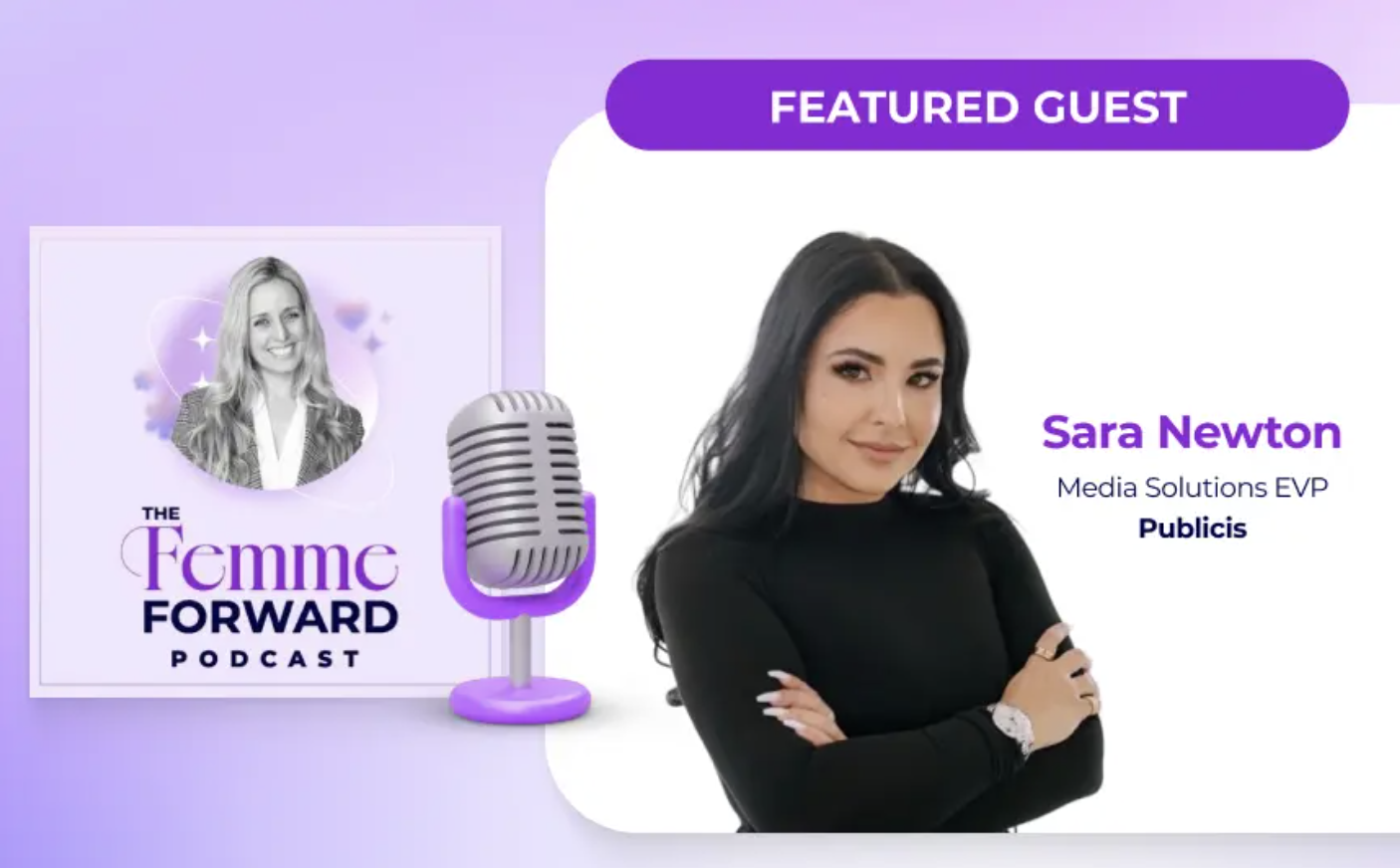
Amanda sits down with Publicis' Sara Newton to dive into what it really takes to lead, grow, and thrive.
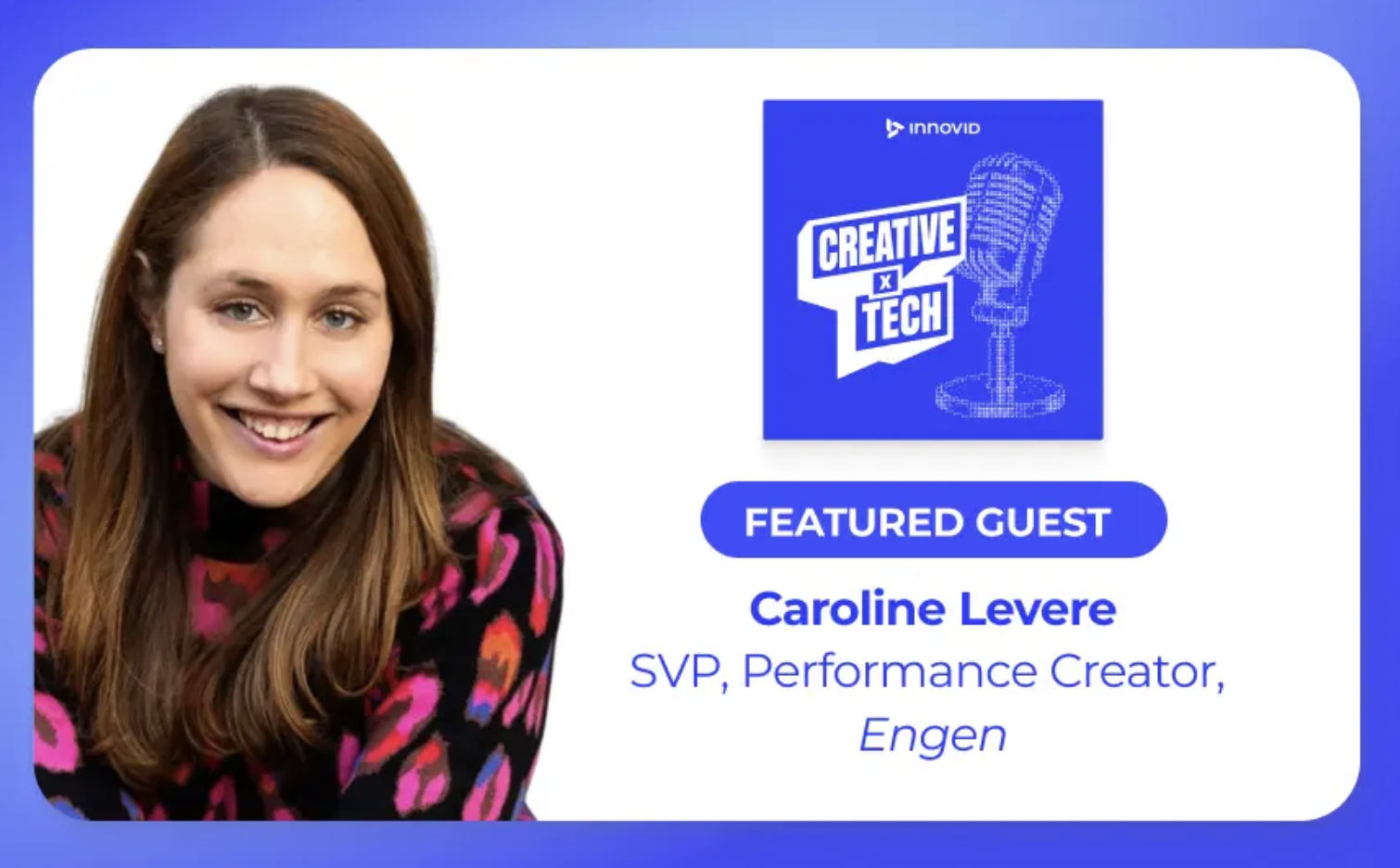
In the first episode, Dan Mouradian sits down with Caroline Levere, SVP, Performance Creator of New Engen.
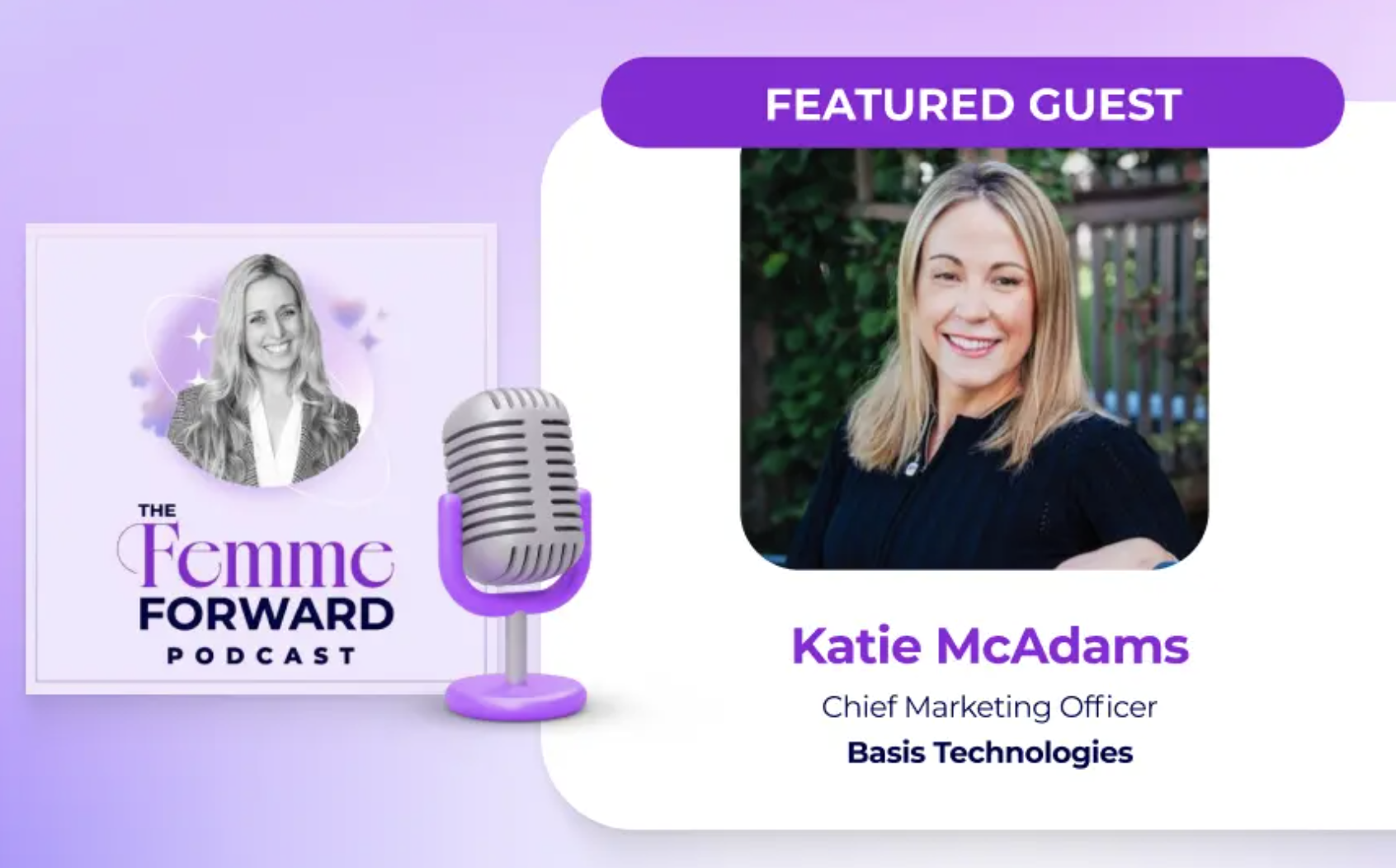
Listen to host Amanda Glen Smith and Basis CMO Katie McAdams discuss the power of intuition in leadership.
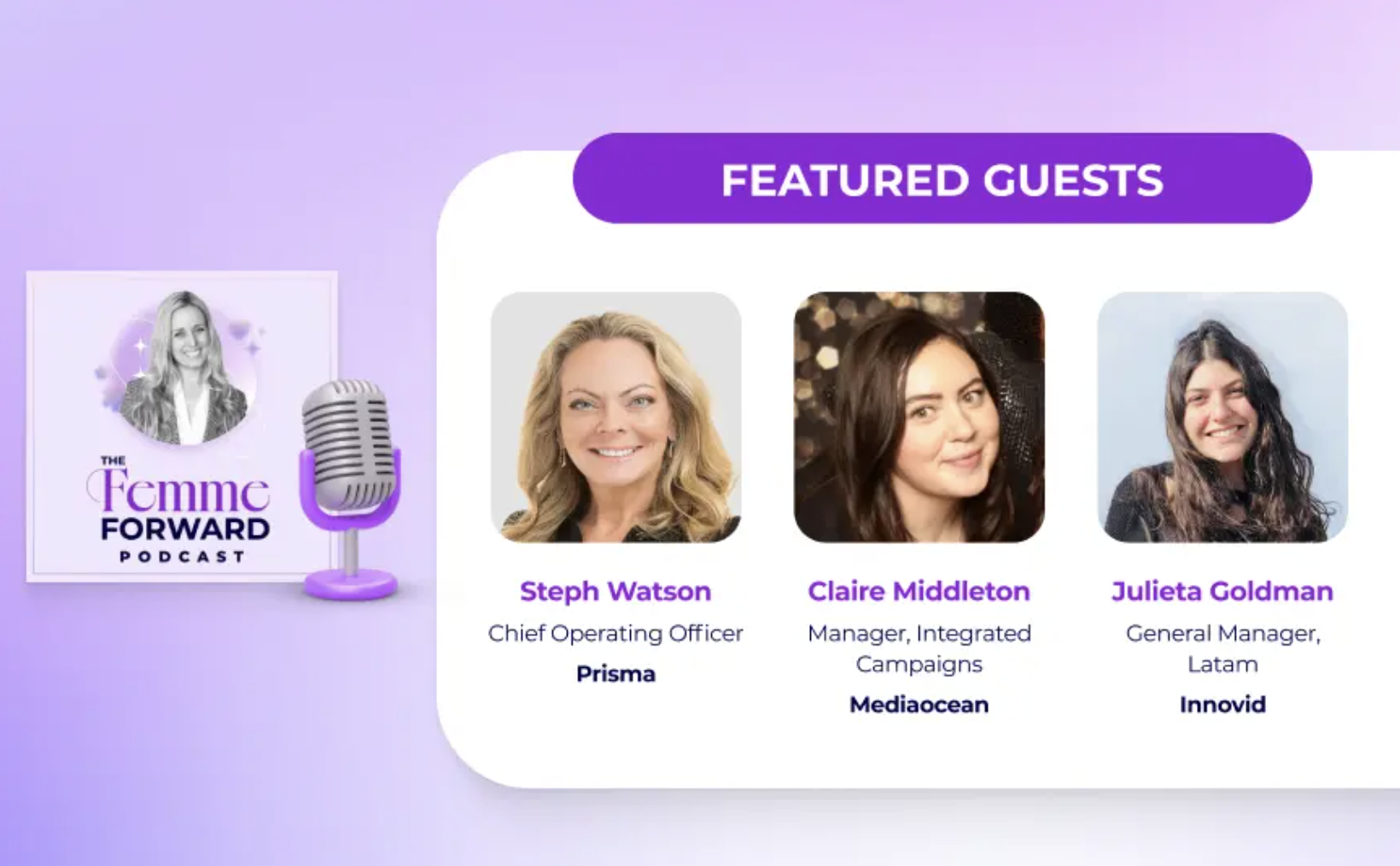
Innovid's Claire Middleton, Juli Goldman & Prisma's Steph Watson dive into the current "eras" of their career trajectories.
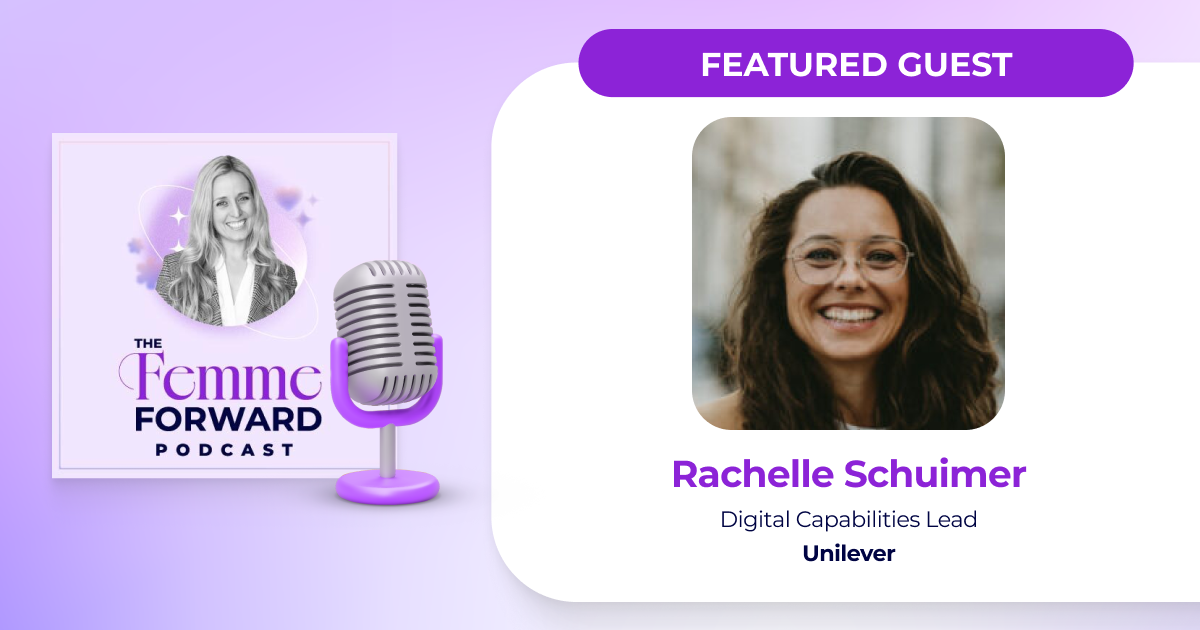
Listen to Amanda Glen Smitha and Unilever's Rachelle Schuimer discuss their careers.