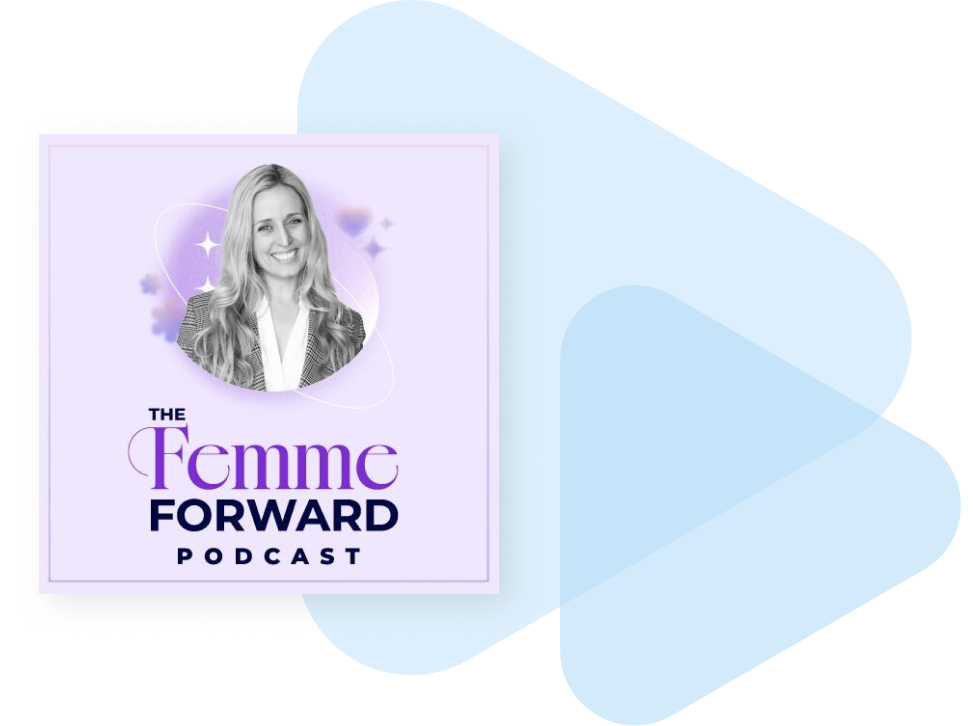
The Femme Forward Featuring Whitney Rowell
Listen now
Click to listen on:


Read the transcript
Amanda Glen Smith: We're taking a bit of a different spin for The Femme Forward today, and bringing on a founder who built her business from her kitchen table. Our guest is Whitney Rowell, a serial entrepreneur, communication strategist, and community architect who is redrawing the lines of what it means to build a modern brand. After a decade of leading major PR and digital campaigns in New York City and Dallas, Whitney noticed a massive gap in the maternal wellness space when a simple blog recipe she wrote went viral, with over 300,000 views. True to her PR roots, she turned that data into a national movement, launching Miracle Milk Cookies. She scaled the business from local doorstep deliveries out of her home kitchen all the way onto major retail shelves at Central Market. Today, her brand has evolved into Miracle Mama, a massive ecosystem spanning clinical partnerships, a national podcast, and regional walk movements dedicated to radical transparency and maternal mental health. And as if that weren't enough, she is also the co-founder of Collective 31, an invite-only master network for high-performing female founders, and a mama of four daughters who fiercely protects a strict eight-to-four work day that we're going to talk about, to keep family at the absolute center of her life. Her work has been featured in Inc. Magazine, D Magazine, and Good Morning Texas. Welcome, Whitney, we are so glad you're here.
Whitney Rowell: Thank you so much for having me. I'm so honored to be here today.
Amanda Glen Smith: Okay, your path, which to me is defined by a brilliant ability to see structural missing pieces, let's talk about your journey. I think you started your entrepreneurial spirit back in your dorm room. Was that right?
Whitney Rowell: That's correct, yes. I will say that before that, I started my first company at age eight, knocking door to door and selling stationery to my neighbors. That was my first semi-business. But my first actual company was the one I started out of college.
Amanda Glen Smith: Okay, what was that company?
Whitney Rowell: It was called Tramonti, which is the Italian word for sunset. I'm not Italian, but I loved the word. I started the business after a trip to Europe with my girlfriends after graduating from college. I was like, I want to do something I'm passionate about, past sunset. My jewelry company became Tramonti.
Amanda Glen Smith: I love it. And then you went into PR right after college?
Whitney Rowell: Right. I was really dying to move to New York City. I'd gone for the first time with my mom and my three best friends at age 13, and I knew the second I landed I was going to live there one day. My degree was in strategic communications from TCU, and I ended up getting a job in PR in New York City after graduating, which was my dream. That's where I moved after college.
Amanda Glen Smith: I love it. You're chasing the New York dream. Tell us the shift. How did you move from the PR agency space into Miracle Milk Cookies?
Whitney Rowell: I lived there for a couple of years and worked in PR. What I loved about my job, at a company called JPR, a lifestyle and travel PR firm, which is now global, was that it was started by a woman named Sarah, who was a really incredible mentor to me. She built that brand from scratch with her best friend. What I loved about PR was crafting stories around brands to help them grow in an impactful way. I fell in love with the idea of building brands, telling stories about them, and creating an ecosystem around their identities by establishing cool partnerships. I was able to work with really incredible hotels around the world and partner them with cool fashion brands and build stories around those companies. What I always knew, though, is that I would start my own business. While I was in New York City, I had a blog called Lifestyle Hunting. This was back in 2010 to 2012, when everyone was launching street-style blogs, like The Sartorialist. I don't know if you remember that one. There were so many fun street-style blogs to follow, so I thought, I'm living in New York City, living my Pinterest dream, and I'll photograph all my favorite things and write about the cool parties I'm going to. I used the blog as my platform to share my experience in New York City, which eventually parlayed into Miracle Milk Cookies, because that blog is where I posted my recipe, the Miracle Milk Cookie, before I even had a company. So I really started my business while I was working in PR, but I had no idea the blog would become my brand.
Amanda Glen Smith: Okay, I love it. You're in New York City like, I'm Carrie Bradshaw, I'm living the dream, and everyone is going to follow my entire lifestyle blog.
Whitney Rowell: Waste. I will say nobody followed my blog. I probably had like five subscribers. I was like, well, this is interesting, but I'll keep writing, because it's a passion. After I lived in New York City for a couple of years, I got an opportunity to work in Boca, actually, which isn't in my bio. I worked in South Florida, the Palm Beach area, for a guy named Adam Sandow. He was a serial entrepreneur who had started a site called X, not the registry website. He was so innovative. He bought brands, he bought Front Seagull, he bought Lux Magazine, he created a new beauty magazine, and he started a new concept called TestTube, which was pre-Birchbox. He hired me to run TestTube, which was so cool, because it was the beginning of a subscription business. Brands, the advertisers for the new beauty magazine, would send in free beauty products. We curated editorial around those products and built out the test tubes filled with products from those brands, and then sent them to subscribers who paid for them. I learned a lot about managing customer service, brand partnerships, editorial, and everything else, at a really young age. Because it was such a small team, but he ran all these different companies, I was able to oversee that entire business, meet with him once a week, and tell him how everything was going. He was also developing a new concept at the same time, which I got to help oversee. It was one of their most profitable businesses, and I got to work directly with the founder-CEO and see how entrepreneurial and visionary he was. That was a really cool experience, and it parlayed into my next role, really running Miracle Milk Cookies. But as a founder, I didn't take on Miracle Milk Cookies as my full-time job at first. I decided to start my own marketing company after working for him.
Amanda Glen Smith: Okay, so tell us your trajectory. First of all, I haven't thought about Birchbox in years. I used to love the subscription model. We need to bring some of that back, I feel like.
Whitney Rowell: Yeah, I wish. Seriously.
Amanda Glen Smith: But tell us how you got into Miracle Milk Cookies. How did this lifestyle blog you created in New York City become this viral landing pad for you?
Whitney Rowell: I was in Dallas, and I had my first baby. I was really struggling to feed her and deal with postpartum life. I had never had a baby before. I was the first of all my close friends to have a baby, so I wasn't aware that feeding my child would be difficult, or that being a mom would be difficult, because everyone made it look so perfect on Instagram and talked about how wonderful it was to have a baby. I remember asking my mom, is this normal? I felt very overwhelmed, and she said, yeah, that's fine. I asked, when does it get easier? And she said, oh, it doesn't. I was like, is everyone lying? Why is it so hard? A friend I hadn't seen since high school, who I still kept in touch with, had a five-month-old baby. She wasn't a close friend, but she dropped off a plate of homemade lactation cookies on my doorstep. At that time I was doing marketing consulting. I had left my job at Standard when I found out I was pregnant, and I started my own consulting business in Dallas, taking everything I'd learned in New York and Palm Beach. I was so overwhelmed, because I had so many clients and a new baby at home. But what I hadn't realized was that no one had done anything for me since I had my baby. It's so weird. You see your doctor every couple of weeks during pregnancy, and everything's about the baby and the pregnancy. Then you get home from the hospital, and you're just taking care of this baby, keeping it alive. You never see anyone again. You're like, hi, I'm here.
Amanda Glen Smith: We just never see anyone again. Literally. They're like, okay, bye. So bizarre.
Whitney Rowell: The baby is now outside of my body. Help me. It's so funny and weird. When I opened my front door, I saw this plate of fresh-baked lactation cookies. My friend texted me, "I made these cookies for you to help with your milk supply. I don't know if you're breastfeeding." I literally burst into tears, because I was like, oh my gosh, someone did something for me. She had a sticky note on the cookies that said, "You've got this." I put it on my refrigerator, put the cookies on my kitchen counter, and I just felt so supported for the first time since I had my baby. I went online after I ate all those cookies, because I was pumping and breastfeeding, and I could literally see the milk coming in. I went online to order more fresh-baked lactation cookies, and they literally did not exist. So I thought, okay, I love to bake, I'll make my own. I did a lot of research and discovered that brewer's yeast, flaxseed, and oats are all common milk-boosting ingredients. I added brewer's yeast and flaxseed to my oatmeal chocolate chip cookie recipe, and I was blown away. I was able to test different amounts of brewer's yeast and flaxseed. I was making so much milk, it was insane. I almost got mastitis.
Amanda Glen Smith: You're like, hold up, hold up, hold up. This is too much.
Whitney Rowell: This is great. Yeah, I needed to slow down on the cookies. But I was like, this is truly a miracle. This is a miracle milk cookie. So I decided to post my recipe to that blog, the one I started in New York City, Lifestyle Hunting, that only my mom and five friends read, none of whom were pregnant or breastfeeding. I wasn't going to call them lactation cookies. I was going to call them Miracle Milk Cookies. This is the recipe, the Miracle Milk Cookie. I posted it on my blog, and I thought, one day my friends will make these for themselves, or their moms will make them when they have babies in five years, or whenever my friends have babies. So I thought nothing of it. A year and a half later, I was pregnant with baby number two, and I happened to go to the back end of that blog. I hadn't written anything in a year and a half, and I realized I had 300,000 hits on that one blog post. I was like, what in the world?
Amanda Glen Smith: This is insane.
Whitney Rowell: I'm telling you, nobody read my blog. I traced the analytics back to Pinterest, which had 40,000 repins. Health Magazine had written about it. PopSugar had written about it. I was like, okay, all these people are ready for this cookie. I need to figure out a way to make these, because moms need these cookies, clearly.
Amanda Glen Smith: Right, and it's your content, your recipe.
Whitney Rowell: Yeah, I was like, this needs to happen. That's what inspired the business.
Amanda Glen Smith: I love this story so much, and I obviously resonate with it. When you're a mom by yourself at home with a new baby, everyone is like, baby, baby, baby, and you're like, I'm here too. I'm trying to survive. So the kindest gesture from your friend sparked this incredible business journey for you.
Whitney Rowell: It's so interesting. I saw a quote somewhere that's so true: the friends who show up for you postpartum are the ones you always remember. It's the littlest things. I had a girlfriend, Rachel, who would drop off fruit, put it in my fridge, and leave. It was so nice, and so little. Having fresh fruit in my fridge was so nice.
Amanda Glen Smith: It's really weird what you remember. I remember the exact same thing. I had a friend who, for both of my first two babies, would drop off cookies, chicken salad, pimento cheese, and bagel crisps, and then text, "I'm not coming in. I know your baby is so cute and precious, but I left it on your front door. Enjoy. You've got this." It has a ripple effect for other people, because now I do the same thing when people have babies, instead of trying to schedule a time and bring a onesie and hold their baby. You're like, nope, I'm just going to drop something off.
Whitney Rowell: Mm-hmm. There's absolutely nothing worse, and I hate saying this, because people text you, "I'm outside your house with your meal. Can we meet your baby?"
Amanda Glen Smith: Yeah.
Whitney Rowell: And you're like, do I say I'm not home? My car's in the driveway. I don't want to go out there, and I don't want to let them in.
Amanda Glen Smith: Absolutely not. Just leave it on the front porch. Thank you so much. Okay, so let's talk about the early days. How did you actually scale? I assume you were making these cookies in your kitchen to start.
Whitney Rowell: Yeah, I had no idea what I was doing. For anyone listening who wants to start something, I always say just start, because you'll learn quickly what not to do. Before I even started, I posted a survey on that blog asking whether people would prefer to bake or buy these cookies. Everyone said buy, not bake, and I realized pretty quickly that there was a lot of traffic, and a lot of people wanted to buy these cookies. So I thought, great, if you want to buy them, shop on my Shopify site. I created a little Shopify website on my kitchen counter. I took a picture of a frozen cookie dough ball, which shows how naive I was, next to fresh-baked cookies. I was seven months pregnant, I had a one-and-a-half-year-old, and I was also supporting my family, because my husband was getting his master's. I had no business starting a company, but I was like, moms need these cookies. I don't care how we're going to do it. I need to get these cookies to moms.
Amanda Glen Smith: I have a mission. I need to deliver.
Whitney Rowell: I'm on a mission. Yes. My site went wide, and we decided to visit my friends who had a house in Vail. We flew to Denver and drove up to Vail. I was in the girls' car with all my friends who weren't moms yet, with my one-and-a-half-year-old, while my husband was in the guys' car. We were driving up the mountain, and I was getting orders on my Shopify site, ding, ding, ding, ding. I said, oh my gosh, y'all. They were like, what have you done? Because I always do crazy things. I told them, I started a cookie company. They asked, you started a cookie company? I told them my friend made me these lactation cookies, that they help with breastfeeding, and that they probably didn't know what that was. They said, Whitney, you cannot ship cookies from your house. How are you going to make these? I said, I don't know, I'll figure it out. I was getting frozen cookie-dough orders from Las Vegas and LA, and I didn't know how to ship frozen dough. I was emailing everyone back from the car, like, I'm on a trip right now, thanks for your order, and I'll be back in seven days, and I'll be baking your cookies, but I can't ship frozen cookie dough, so I'll ship you fresh-baked cookies, and I'll refund you, because I feel really bad.
Amanda Glen Smith: I'm out of office, but I'll be back.
Whitney Rowell: Yes, out of office. Then I went to a container store, bought all these boxes and tissue paper, and wrapped up the fresh-baked soft cookies when I got home, super pregnant with my toddler. I got everything ready, went to the FedEx store, and shipped everything out. Three or four days later, I heard back from everyone: thank you so much for the cookies, the crumbs taste delicious, but they arrived as a million crumbs. I was like, oh my gosh. I refunded hundreds of dollars' worth of orders, plus packaging, and I was losing money. It was not a good idea, so I shut that idea down immediately. At the time, I was living near Tot on West Lovers, in a little cottage in Briarwood. I walked my baby over to Tot and said, hi, I'm a mom who lives in the neighborhood, and I have a cookie company called Miracle Milk Cookies, with fresh-baked lactation cookies. I have a lot of moms who want our cookies, and I'm not able to deliver them all. Can they come into your store and pick them up? Maybe you could do a little discount code for them to shop, and we could have a partnership. They said, oh my gosh, that's amazing. They were a brand-new store, and they wanted foot traffic. That was the beginning of actually getting this company off the ground, because I couldn't ship these cookies, and I couldn't deliver all of them, even though I did deliver a lot of them. I was also trying to support my family with my real job, and I was not going crazy driving. I literally spent days driving to Fort Worth, Plano, and other places, breastfeeding the baby in the car, super pregnant, also trying to answer client emails. My mental health was suffering.
Amanda Glen Smith: Right. You don't want to be in a car that long, that pregnant. You're like...
Whitney Rowell: Yeah, no one wants to be in the car with a toddler screaming in the backseat. It's not good for anyone.
Amanda Glen Smith: Okay, so I love this. You're like, let me ship you a spoon next time so you can spoon-feed the crumbs of the cookies I've delivered.
Whitney Rowell: Exactly. Yes.
Amanda Glen Smith: Okay, but I think many founders get stuck in that area, right? It's hyper-local. You could have just delivered cookies to moms in Dallas, or the DFW area. How did you scale and transition into what is now automated distribution, commercial kitchens, and landing your product in major retailers like Central Market?
Whitney Rowell: Great question. I decided to do my first and only farmers market, because my grandparents, my secret parents, go to St. Michael's Church in Dallas, and they had just helped start this little St. Michael's farmers market in 2017. They said, Whitney, you should set up a little booth for your cookies. They had no idea what my cookies were, but they said, set up a booth for your cookies, so cute. So I set up a little booth. There's a picture of it somewhere on Instagram. It said, "Eat Miracle Milk Cookies, make more milk." I had all these cookies I'd made, and I was standing there, super pregnant, and my grandmother grabbed a pregnant woman and brought her over to me. She said, here's your target market, here's your customer. This woman, Natalie Yates, happened to be in private equity. She said, wow, what do you have here? I said, I make lactation cookies for moms. She said, okay, this is great. What are your COGS? What are your margins? How are you distributing? Who's making your product? How are you planning to scale this? I said, I don't know. I just want to get these to moms. But that first conversation was very eye-opening to me. It made me realize I didn't really have a business. I had a hobby. I had a passion, but I didn't have a scalable business. I told her, I really love businesses, I really love supporting moms, but I don't know how to get this off the ground. I've never run a food company before. This is all new territory for me, but I know moms want this. She said, I want to help you. How about we get coffee? We sat down the next week, and I attribute a lot of our growth to her. She had just set up Skinny Pop for a sale. She's a major finance person who knows her stuff, but her passion was newborns too. She was a newborn photographer on the side, working with amazing families in Dallas on weekends. She said, give me your cookies, and I'll bring them to my clients as a gift, and in exchange I'll give you advice. That was the exchange we had.
Amanda Glen Smith: Brilliant. I know.
Whitney Rowell: Only a mom to a mom would do that. She was so helpful. Her homework for me was to find someone who could make my cookies the same way I make them at home, because I wasn't doing anyone a service by making everything myself and focusing on everything behind the scenes. I should focus on sales and marketing, which is what I'm good at, and have someone else handle the operations. At the time I thought that was crazy. No one was going to be able to make my soft-baked, fresh-baked, yummy lactation cookies the way I make them. I think that's where a lot of people get held up. They feel like they need to be the ones making the product. But she was determined. She said, you're going to find somebody who can make these cookies for you, and then you're going to be able to scale this, because otherwise you'll never be able to scale it. So I spent the next year, which is how long it took, not every other month or every few months, but every single day calling people in Dallas. I called every baker I knew, every restaurant owner, every country club, every hotel, every co-packer I could find. I met with packaging people and asked who co-packed for their packaging companies. I called everybody, and in every meeting people said, no, no, no, you're crazy, you can't do this. We're not going to make this for you. They'd say, we'll make you a crunchy cookie, or a puck, or frozen cookie dough, or we need a million pounds of dough a week to make our machines run. Just no, no, no, no, no. I kept going back to Natalie, and she'd say, Whitney, you're going to find somebody, I promise. Eventually, in August 2018, literally a year after I met her, I found somebody who could make our cookies, and I'm still with them today, which is amazing.
Amanda Glen Smith: I feel like that's what you read about in terms of founder syndrome, trying to control everything yourself. So there was the tenacity and grit you had for a year of hounding people to find that person. It can be handmade, just maybe not by your hands.
Whitney Rowell: Right. That's the thing. I didn't realize until I started this process that a cookie recipe at home makes about three dozen cookies, depending on how big they are. When you go to a commercial kitchen, it becomes a science project, because you're converting everything from cups and tablespoons to ounces and pounds. Commercializing our recipe was a big process, and now I look back and think, wow. You just don't know these things until you start the process.
Amanda Glen Smith: Totally. What are some other big unspoken lessons you learned the hard way from starting this consumer goods company from scratch?
Whitney Rowell: Early on, a neighbor reached out because he wanted to invest in the company, which seemed really appealing, because I was supporting my family and needed the money. I didn't want to take on outside funding, but if this guy wanted to put money in, great. At the time, we didn't have ChatGPT or Claude to drop contracts into. I didn't have a very good attorney. I had my family estate attorney, the one my dad used, but not a finance or venture attorney. So I started a long road of talking to this guy. What I realized, looking back, after about six months of negotiations, was that he wanted to take my entire company for $50K and create a new company that he owned 100% of. It sounds insane now, but back then, when we were so small, I didn't realize that wasn't normal. I thought he was going to help me get it to a certain level.
Amanda Glen Smith: The audacity! Yeah, get your feet off the ground.
Whitney Rowell: Natalie helped me, and then my friend Lauren, who owns Live Love Pop, the popcorn company. I called her. On the way to meet him and sign the deal, I called her and said I was feeling weird about it. She said, don't sign. If you're feeling weird, don't sign anything. I walked in and had to tell him no, and it was kind of a nightmare, because we lived next to the guy. That was one lesson: don't take on funding too early, especially if it's too good to be true. There are a lot of sharks out there, men and women, I'll say. I hate saying that, but focus on your gut and what you know to be true, because I thought it was a great deal at first. I also didn't try to grow. I always say this now that I've learned this lesson: I feel like women grow in seasons. Men grow linearly. Women grow in seasons. So hone into your season. There have been seasons in my business where I focused on my family and didn't focus on the business, and the business still grew, which showed me we still had something. So don't try too hard to make something work that isn't working, because you'll be so run down. It's your own company, and you started it, and it's your baby. But I think that applies to any corporate role too. If you're trying so hard to make something work and it just doesn't feel right, go back and trust your gut. I think women have incredible intuition. When you become a mom, your priorities change a lot, and things you thought you really loved and were great at don't matter anymore. Thinking through what matters to you and what your role is will shift. We built this brand first as a single-product brand, and then we built a business, and now we're a platform. This brand went from blog to product to brand to platform. These are all very different stages of growth, and now my role is more visionary. I'm always hiring people way smarter than me, and I have to know that my role now is casting the vision and helping with our brand vision, not running the day-to-day, because I'd be holding the business back.
Amanda Glen Smith: I love the way you describe it. I've never heard it described in seasons like that, but it's so true. And when you step back and allow space and energy for things you weren't gripping so tightly before, the business grows, or there are better outcomes for you and the company you work for, when you're not trying to grip things to death.
Whitney Rowell: Exactly. Everyone benefits when you step back and things grow organically. That's how the best growth happens, I feel.
Amanda Glen Smith: I love it. So we've now moved past Miracle Milk Cookies to Miracle Mama. Tell us about that shift and what prompted it. It's obviously not the first idea you've ever had, so how did you figure out which ideas were worth pouring into, and which ones you had to say no to?
Whitney Rowell: One thing that held steady is that I wanted to keep the Miracle Milk Cookie business alive, supporting moms in whatever capacity. I created a mission statement early on: we're on a mission to give moms everywhere a boost. That's what I said to myself every day. That was the backbone of the company. While launching Miracle Milk Cookies, I also started meeting with other women in Dallas who inspired me, like Christina Lynch with Miguel Andrina, Sarah Means and Lizzie Means, Diplantis with Maren Crosby, and Catalina with Dondelo. I'd ask, who do you use for packaging? Who do you use for finding a CFO? Who does your accounting? All the questions I didn't know the answers to. I realized there was such a need for women to have support. When that investor reached out early on, I didn't know whether it was a good or bad deal, because I'd never done this before. Having women in my corner who'd built something inspiring was really important. So at the same time I built Miracle Milk Cookies, I built a group called Collective 31. I was meeting with all these women for coffee, and every one of them said, you should meet this person and that person. I said, why don't we all get together once a month and talk, because we'll all learn so much from each other? No one had put together a group like that, so Natalie and I started talking. She was so passionate about helping female founders, and in her line of business, in finance, she sees so many women get taken advantage of. So we formed Collective 31. I launched Miracle Milk Cookies in August 2018 and Collective 31 in October 2018. They fed off each other. My passion for Collective helped fuel my passion for Miracle Milk Cookies, and my passion for Miracle Milk Cookies helped fuel Collective, and they grew each other. The business underneath Miracle Milk Cookies kept growing, because we hosted Collective 31 pop-ups with collaborative brands. Dondelo was the first company to put our gift card on their website. Maren Crosby did all this fun stuff. They were on our podcast. I started a podcast with members of Collective who would come on and talk, which helped our authenticity as a mom-founded brand, and me talking to other mom founders. It all played together and grew together. It wasn't like I was picking one thing to grow. Both areas worked together and grew simultaneously. Eventually, I kept seeing and hearing from women in my Collective group, from my customers, and from the healthcare providers we were working with, that there wasn't a mom brand out there that felt authentic yet. I always say, go to Target and look at the baby aisle and the mom aisle. The baby aisle is such a representation of what we offer our kids: the most fun, cool, cute packaging and snacks and yummy things. Then you look at the mom aisle, and it's vanilla, clinical, sterile, white, blue, and pink. That's not appealing to me. I don't ever want to shop the mom aisle at Target, and I'm sorry, hopefully one day we'll get into Target.
Amanda Glen Smith: Yeah, we're authentic.
Whitney Rowell: What I'm saying is that it doesn't feel built for me or for my customers. The products in that aisle are built for, who knows? There's money, and they're trying to make money. So I saw an opportunity to build something bigger, but I didn't know how. Then, in January 2024, I had three little girls, and Baby Rory was about two and a half. I got a call from Medical City Hospital. Their vice president of Children and Family Services asked me to come meet with their lactation team. It was a weird stage of life. I was asking myself, do I want to stay home with my kids? I thought we didn't have any help. I was just a full-time mom, and the company was growing, but I was focused on being a mom in that season. My husband came home and watched the girls, because the older ones were in preschool. I went to Medical City and brought my cookies, and I walked into a room with about eight lactation consultants sitting at a table. I didn't realize it, but I was pitching my company to them. I handed out cookies and said, let me tell you about Miracle Milk Cookies, and they were blown away. Some of them said they make slice-and-bake for their moms, or bring them candy. Some had never heard of lactation cookies, or some had. I finally asked, why did you invite me here? They said, a lot of our patients have told us about your cookies, but also, we're no longer partnering with formula companies. Our contracts with Infamil ended, and we're no longer partnering with them. Our mission now is to support breastfeeding and help moms go home breastfeeding. That was in 2024, and it was crazy but also amazing. I think they still give out formula to moms who need it, and I always say that's best and that's great. But the fact that they were trying to support women who have the goal of breastfeeding was amazing to me. That was a light-bulb moment. I thought, this whole industry needs to be shaken up, and healthcare is finally getting behind it. I went home and told my husband, I need to raise venture capital or private equity or something. We need to raise money and go to market with this product, because more people need it, and things are changing.
Amanda Glen Smith: You're like, full mom season is over. Whitney's back. Let's go.
Whitney Rowell: Yeah, bye. Whitney's back. We're hiring help, and I'm back in the CEO seat.
Amanda Glen Smith: I love it. I can't believe that was only two years ago, or a year and a half ago, on this pivot.
Whitney Rowell: No, isn't it wild?
Amanda Glen Smith: Okay, I love this. As everything has evolved, you've had all these seasons. How do you measure success for yourself, personally and professionally?
Whitney Rowell: That's a good question. I've learned the hard way that if I don't prioritize my own self-care, I'm not successful as a mom, a wife, a CEO, a founder, or a businessperson. Number one for me is prioritizing my own self-care over everything. That sounds selfish, but at the end of the day it's the most selfless thing, and the most difficult thing I've had to learn, because as women we feel a lot of guilt about focusing on ourselves.
Amanda Glen Smith: Why is it so hard? I don't know why.
Whitney Rowell: It's so hard. It's been a long journey, and it's taken years. But now my girls know that if I don't get up and work out, I don't have that time, and they know I'm not the best version of me. They'll even say, Mommy, are you going to go work out in the morning? When I'm not myself, they want me to go work out. They say, please, go work out, Mommy. Even just walking with friends, getting out of the house, figuring out the time. But I also really need to prioritize work so I can prioritize my children. So I have really strict hours. I get up at 4:30, work out at 5, I'm back home by 6, I shower and have breakfast with the girls, and by 8 I'm back in the office. After drop-off, or in the summer, it's kind of a free-for-all, but I leave the office at 8 and I'm back home by 4. I'm starting this thing where I take one girl to lunch each week, one of my kids, just one girl. I also prioritize lunch with my husband, so my lunch break, from 12 to 1, is lunch with my husband or a child.
Amanda Glen Smith: Yeah.
Whitney Rowell: Which helps them feel they get one-on-one time, since there are so many of us. It also helps me. When I know I'm going to put my phone away at 4, and I can get back to it after I put the kids down or get back to emails when they're down, it helps me really focus. My work hours are so important to me, and my time with the girls and my husband are so important to me. I have two different shifts every day, but both are filled with the right things, because I have dedicated time for each one. I started this about 18 months ago. It's pretty new, but it's also been in seasons, where I've learned what works and what doesn't, and this season works for me right now.
Amanda Glen Smith: So it's your new formula. But let's be real, because I feel like people say this, and you see it all over Instagram: let's get up early, be the 5 a.m. person. What are your trade-offs? What time do you go to bed at night? What do you give up to have this formula that works for you?
Whitney Rowell: Good question. I literally fall asleep around 8. Sometimes I fall asleep putting Rory down, because she needs me to lie with her every night. We put all the girls down, but she's the one I end up falling asleep with. My husband wakes me up, and this literally happens every night. He says, do you want to hang out, or do you want to go back to bed? I usually go back to bed, sometimes I hang out, or I answer emails, depending. But I get in bed by 10 at the very latest, and I'm up by 4:30. I stopped drinking alcohol several years ago, which has helped me tremendously. I think that's been a fair advantage, because drinking caused me not to be able to get up early or sleep well, I was making bad food choices, and I wasn't 100% the mom I wanted to be. I gave up alcohol during COVID. I was having a hard time balancing my life, and I was taking on too much. It's been almost six years now, which is crazy. It's just not part of my life anymore. And because I get up so early, I get tired so early, so I do have to go to sleep early. Not every day is perfect.
Amanda Glen Smith: You've trained your body in a new way.
Whitney Rowell: Yes, and it's taking time. It's not an overnight thing.
Amanda Glen Smith: Okay, if you gave up alcohol, let me ask, how do you blow off steam?
Whitney Rowell: Gosh, good question. Working out. I do really intense workouts. I did a marathon last year. I push myself in crazy ways. I go to a workout called Ritual every morning. It's really hard, sweaty, and hot, and I love that. Or I'll go on a walk in the evening with my husband. We're in this next stage of parenthood where my oldest daughter is almost 11, and she can stay home with the other kids for about 30 minutes while we walk in circles around our neighborhood. It's the best thing ever.
Amanda Glen Smith: Oh, it's amazing. What is that like, when someone isn't trying to kill themselves at any given point in time?
Whitney Rowell: Oh my gosh, when you can leave the house and not feel like they're going to die. It's such a good feeling.
Amanda Glen Smith: You have four girls, but yesterday my son is three, and we got to the stage where I was like, yes, he can go outside, get on the trampoline, and play by himself. But it had been a little too long, Whitney, and it was a little quiet, and I was like, I don't know about this. So I walked outside, full-fledged, with garden shears, and there was a huge... and he's like, Mama, look!
Whitney Rowell: My god.
Amanda Glen Smith: I'm like, this is why we cannot trust any second, you know?
Whitney Rowell: The second it gets quiet, you're like, okay, what is happening? Something is not right. Game over.
Amanda Glen Smith: Yes, game over. Game over. Okay, I love that. So, I'm so, so pregnant. I don't know, eight months, nine months, we're really rounding the bend here. I want to talk about something you talk about a lot on your podcast and openly, which is this bounce-back culture we have. You work with so many moms, and you understand the realities of postpartum and the massive transition that you go through in this season, how everything fundamentally changes and never goes back. What is the culture you're trying to build around these transitional moments for women, and how do you model that for your own company?
Whitney Rowell: I've learned so much during this process, growing Miracle Milk Cookies, a lot from Asian culture and how the first 40 days are so important. We shouldn't even be eating anything cold or hard, anything that slows down our healing process. Even walking and doing things, I always say, go on a walk, go do all these things, but your body should be resting and healing. It's an amazing time, the fourth trimester, but your body has gone through so much. I honestly didn't realize this until I had our fourth baby. I went to see my OB at my six-week postpartum checkup, and she said, you're going through perimenopause. I was 37 years old, and this was recent, and I was like, wait, what are you talking about? She said the hormonal shift you experience postpartum very closely mirrors perimenopause. You have all the same symptoms, and these are things we think, oh, it's just normal, I'll get through it: night sweats, hair loss, crazy mood swings, all the stuff we just experience. But a lot of it is actually something we can address and focus on, and heal with food. I didn't know that until I had our fourth baby, and it's weird, because I've been in this world for so long. So I asked my OB to get coffee with me after she told me this, because I was blown away that the hormonal shift we experience postpartum mirrors perimenopause, and that breastfeeding itself is a hormonal issue. I thought struggling to breastfeed was just a struggle, not a hormonal issue. So I started this journey in the middle of raising money for Miracle Mama, learning about the hormonal shift we go through postpartum. I always knew we had hormonal shifts, that there's a huge drop in hormones, and we're all going through so much. But there's now a lot of scientific evidence backing up what women feel: I feel like I'm going crazy, I'm so sleepy, I have brain fog, I have all this fatigue, I can't even hold my baby because I'm so overwhelmed with emotion, I don't even know if I love my baby. Those crazy feelings are not so crazy. So I started doing a lot more research on the medical side, and brought in hormonal therapy doctors. Many of them are in the functional space, but some are MDs, and we talk about ways to change our diets and add certain things to help with our hormonal balance through perimenopause, so we don't have the crazy things our moms went through. I remember specifically my mom, and it was such a crazy...
Amanda Glen Smith: The whole house shuts down. Don't you remember it from childhood? You're like...
Whitney Rowell: Everyone remembers when their mom went through menopause, because there was no...
Amanda Glen Smith: Everyone.
Whitney Rowell: There was no support. It's funny, I love my OB, Austin, who you're friends with, I know, and Dinar. I was talking to her about this, and she said, it's so funny, there are so many men, they get testosterone, they get Viagra, there's been so much research on men's aging. They have Rogaine. Women have nothing. And there was a study done in the '60s on women going through perimenopause, where the test group were all in their 60s and were already predisposed to dementia and cancer, and a lot of them already had dementia and cancer. There was a black box warning put on estrogen cream saying that if you took estrogen, you were likely to get cancer or dementia, which is crazy. They just removed that black box warning this year.
Amanda Glen Smith: Wow.
Whitney Rowell: So I was like, wait, for years men have been taking Viagra and testosterone and getting Rogaine, doing all this stuff for their hair and their bodies. Meanwhile, their wives had low libido, night sweats, hair loss, weight gain, and brain fog. No wonder affairs were happening. If we can shift this whole conversation around women's hormonal health, and bring a product to market that actually supports women, create conversations around this, and normalize it, then maybe we can save some marriages in the process, because we should not be going through this. She said, yeah, actually, that's true.
Amanda Glen Smith: It's for the moms, it's for the marriages, it's for everybody out there.
Whitney Rowell: For everyone. It's for the children too. It's crazy how interesting it is now, diving into this space and focusing on perimenopause, postpartum, and menopause. There's so much opportunity to support women, and it's been lacking for so long, and the time is right now to change this space and do something. We can do a lot for women now, but there's still a lot more to do.
Amanda Glen Smith: Okay, this is fascinating. So Miracle Mama is becoming a much larger umbrella and platform that supports women at all stages.
Whitney Rowell: Exactly. My whole thing is, we always say, let's give moms a cookie. Let's give a breastfeeding mom a cookie. But a breastfeeding mom who's struggling to breastfeed is probably dealing with a hormone imbalance. So what if we provide her with cookies that have ingredients that help with hormonal imbalance? Brewer's yeast helps with hormone balance, and oats help with hormone balance, which is why these cookies work. So there are now other cookies. We're working with a nutritionist on other flavors that help with brain fog, help with energy, and help with things we've all experienced for so long that we think are normal, but they're not normal, they're just common, because everyone has to suffer through them. I'm using my cookies as a tool to support breastfeeding and talk about how breastfeeding is hard, and that you need support. And I'm using our cookies as a tool to talk about the postpartum period, through perimenopause and menopause, and to help women feel more supported in those stages, because no one is really talking about it in a relatable way.
Amanda Glen Smith: I love that. It sounds like another idea and spark for you. You're a serial founder, and you continue to evolve all these different ideas. What happens when you have an idea that you feel isn't the right one?
Whitney Rowell: I have a million ideas all day long, and I've made a lot of mistakes pursuing some of them. That happened a lot more earlier on, when we were ideating on what we were building and who we were targeting. At the beginning of this year we did a strategy session to really focus and hone in on who our customer avatars are at different stages: who we're targeting, what they enjoy reading, what they like to see, who they spend time with, and what our messages should be for each of them. Now we're pretty focused on who we're reaching, what she likes, who she is, where she lives, and what her family looks like. That makes it harder to go away from some of these ideas and focus on new ones. But I'm always coming up with new ideas. I have to ask myself, is this idea ever going to become reality? If no, it's a fun idea for the future. One day I want to start a fund to help other female founders in their 40s. I just have to push things off and focus on what's going to move the needle today, and to me, that right now is building my current brand, Miracle Mama.
Amanda Glen Smith: So staying true to that brand isn't deviating too far from what you've created. I love that you're data-driven. You've done all this research to figure out what resonates with that mom, and why she needs something, versus just assuming.
Whitney Rowell: I am my customer, so it's easy for me to know what she wants. But I also have to ask beyond who I am, what other people need. I bring in really smart people who are way smarter than me, who get it, in the healthcare space, the CPG space, the finance space, and the operations space, who can tell me how to run this effectively and make the right choices, so I'm not completely deviating from the goal and the vision.
Amanda Glen Smith: Let's talk about funding, because I know you've gone out to raise money. It's still predominantly male, I would say, when you're going to all these VC firms. What do you think about that? I ask every guest on The Femme Forward what their biggest differentiator is as a woman. Do you feel like you have to bring that out during this process?
Whitney Rowell: I think women, especially moms, are really good at multitasking in ways that men often aren't. The ability we have to take an idea and build something, or take a goal and accomplish it in a strategic, unique, different way, we're built differently. You even see it with your children, girls and boys are very different. We need men for certain things, and we need women for certain things. What I've learned in the venture world is that women are more risk-averse than men, and men are more likely to invest. It's just how it is. A lot of women don't know how to invest, or don't feel empowered to invest. I'm actually hosting an event in Dallas for women to invest in Miracle Mama, a very small amount, to give them the ability to be part of this company in a bigger way. I want to empower women to put $5,000 into something they really believe in and be part of that journey in a way they might not have been able to before. There's a lot of growth needed in this space. I've had a good experience with venture, but I know a lot of people who haven't, so you have to be really careful about who you bring on as your first partner, your lead investor. It's like a marriage, a long-term relationship, so you have to be thoughtful about what that looks like. At the end of the day, you might not be working with that main investor. You're working with their team, so interviewing their team is really important, because that's who you work with day to day, and who's going to be going to bat for you.
Amanda Glen Smith: That's great insight. Interview the entire team, not just the one neighbor or partner who reaches out to you. I'm sure there are periods where you get knocked down, and things don't work out the way you want. It's trial and error, and a lot of that has gone on in your journey. What do you tell yourself when those voices start to creep in, and you need to keep going, staying true to yourself and your mission?
Whitney Rowell: Over the past several years, I've had to really find confidence in a room as a CEO, a founder, someone building a brand and creating a new category. It's easy to get imposter syndrome. I met someone in New York last year, an incredible serial founder who exited several businesses. She said, you're going to be in rooms with men who have bigger titles or more experience than you, but you have to always own who you are. You built what you built, and no one else could have built it the way you did, and you have to own that. I do have times when I'm in a meeting and I play the dumb little girl who says, I don't know, yeah, that's a good idea. I'll listen and say, that's a great idea, that's a great idea. Then I go home and tell my husband, that was the worst meeting ever, that person gave me all this wrong advice. He asks, what did you do? Did you stand up to him? And I say, well, no, because they've done this, and they've said this, and they run this massive company. It's so funny, because we have these conversations in my car, and he says to me, who is it? Who are you? And I say, it's Whitney, bitch. That's what we say to each other now. Whenever I'm walking into a meeting and I feel like I don't know anyone in the room, and they're all going to tell me how to do this or run this thing, I say to myself in the car, who am I? It's Whitney, bitch. It's so funny, but it actually works. So I'd say to anyone, give yourself that one-liner, whatever it is for you. For me it's "Whitney, bitch." This morning when I was working out, a song came on with that line, and I was dying laughing, and I'm sure my instructor was like, why are you laughing so hard? But that's my mantra.
Amanda Glen Smith: I love it so much. Everyone needs positive affirmation from the outside, but also from the inside, from yourself. I love that you have your mantra. It's so good. That's going to be the title of our podcast episode. I'm just kidding, I'm just kidding.
Whitney Rowell: Yeah, you need it. Everyone needs it. I love it.
Amanda Glen Smith: Okay, Whitney, this has been such a joy having you on The Femme Forward. You're a serial entrepreneur and a founder, and I know you're cooking up a lot. What's next for Miracle Mama, or for you?
Whitney Rowell: I'm so excited you asked. Over the past several years, I've noticed that community is so key to building a brand. That's how we built our brand from the ground up: moms selling to other moms, getting out in real life and creating in-person activations. I also realized, as part of Collective 31, this group of female founders, that we need a space to collaborate, share ideas and resources, and not go with random investors who are going to steer us wrong. So I'm building a physical manifestation of that called the Collective Clubhouse in Dallas. It's opening this August. It's part pop-up activation space for brands, part event space for people who need it, part workspace, cafe, storage, and podcasting, and all the things I found I needed in my world as I've grown Miracle Mama, and I know so many other women do too. The Collective Clubhouse is opening in August on West Lubbers. I teased it on Instagram, but it's coming soon. I'm actually sitting in here right now, pre-construction.
Amanda Glen Smith: I'm so excited. I'm totally going to stop by after postpartum life. But that's incredible. I love it.
Whitney Rowell: Yay!
Amanda Glen Smith: Okay, one final question for you, Whitney. As we wrap up, if you had to leave one parting lesson for, let's say, your four daughters, what would it be?
Whitney Rowell: I would say always pursue what makes your heart sing, what makes you happy, because the world will be a better place. Someone told me that a long time ago. She was an incredible entrepreneur with all these amazing businesses. She actually started George's at the Beach. Her name is Ann Hartley. She told me that if everyone did what made their heart sing, the world would be a better place. That means following your intuition, trusting your gut, and doing what truly makes you happy. That's what I hope for my daughters: that they'll do what makes their heart sing, because I'm pursuing that right now. It's definitely hard some days, and it's a challenge, but it makes everything else worth it.
Amanda Glen Smith: I love it. I love that. Sing on, ladies and gentlemen. I love it. Okay, Whitney, we're going to hit the lightning round now. Fast, fun, don't overthink it. Workspace vibe: obviously you just told us you're creating this vibe, but do you prefer an intimate, quiet space or a loud, creative kitchen?
Whitney Rowell: Can I say a mix of both? Okay, I love both. Sorry, that wasn't a good answer.
Amanda Glen Smith: Yeah, absolutely. Baking style: personal baking style, not your corporate kitchen. Are you meticulous, science-based, cups and ounces? Or are you just pouring your heart in?
Whitney Rowell: Pour my heart in, always. Taste.
Amanda Glen Smith: Favorite workout at the moment?
Whitney Rowell: Sculpt, heated sculpt workouts with Ritual.
Amanda Glen Smith: Okay, creative playground: Pinterest or Instagram?
Whitney Rowell: Pinterest.
Amanda Glen Smith: Execution style: finishing a project three days early, or really hitting the eleventh hour?
Whitney Rowell: Eleventh hour.
Amanda Glen Smith: Yeah, same, same. What's one word your closest circle of female founders would use to describe your energy?
Whitney Rowell: Man, that's a good question. One word to describe my energy? Probably contagious.
Amanda Glen Smith: That's a good one. I agree. Okay, and the current mantra we can just go with is "Whitney, bitch." I love it, I love it.
Whitney Rowell: "Where's Whitney, bitch?" That's my mantra this year.
Amanda Glen Smith: Okay, Whitney, you're the best. Thank you so much for your time today and for joining us for such a fun one.
Whitney Rowell: Thank you, it was so fun coming on. I appreciate you having me.
Related resources

IAB's Chris Bruderle sits down with Dan Mouradian to discuss the changing live TV landscape.
Raj Muhar, startup founder & CEO, joins host Dan Mouradian to discuss AI's role in creative.
C16 Biosciences' Shara Ticku dives into having confidence, intuition, and navigating male-dominated spaces.
Host Dan Mouradian and Chief Creative Officer Walt Geer discuss taking career risks, emotional storytelling, and more.
In the latest episode of Creative x Tech, host Innovid's Dan Mouradian sits down with Klick Health's Devon Taylor.
Host Amanda Glen Smith sits down with Zeta Global's Nicole Muscatello.

Xumo's Eli Zang joins host Ziggy Zografakis on the debut episode of The Other Side of the Screen.
Amanda sits down with Lynn Utter to discuss executive presence, career growth, and the double bind.
Amanda sits down with The Defined Dish's Alex Snodgrass to discuss her career and what she's learned along the way.
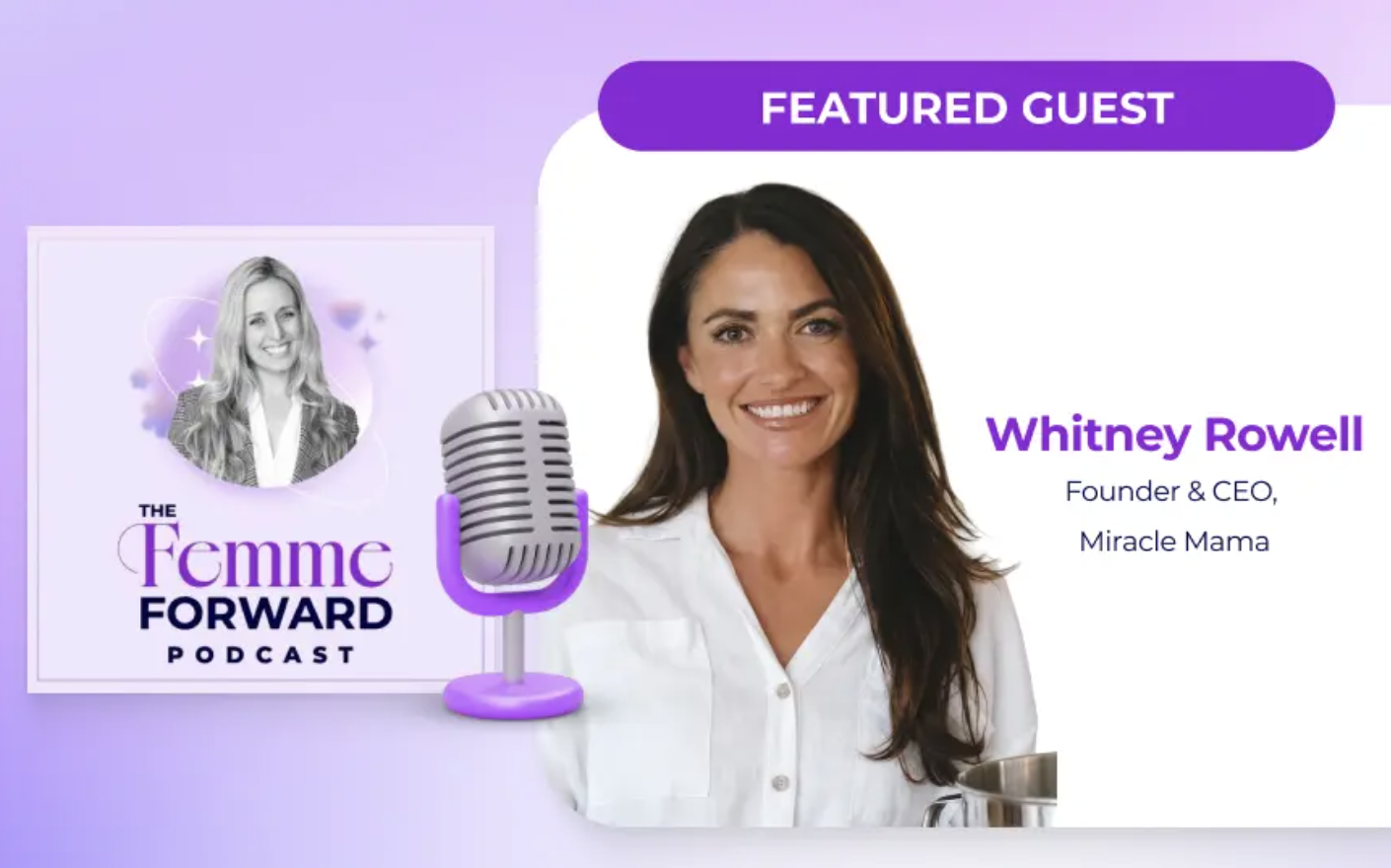
Amanda sits down with Miracle Mama founder Whitney Rowell to talk about building a business from the kitchen table.
In this episode, Amanda Glen Smith sits down with Lori Goode, CMO of Index Exchange.
In this episode, Amanda Glen Smith sits down with Jen Dass, Chief Operations Officer of WPP.
In this episode, Amanda Glen Smith sits down with Brooks Miller, Global Head of Creator Strategy at Edelman.
Listen to Gay Gaddis on confidence, risk & reinventing success.
Deborah Wahl shares her leadership lessons, career-defining risks, and personal philosophy.
Tune in to this episode breaking down perfectionism, empathy and confidence.
Amanda and Khara talk juggling work with motherhood, managing delegation, and being your most authentic self.
From the evolution of AI to how it can lessen the mental load, Sarah & Amanda dive into the future of an AI-assisted life.
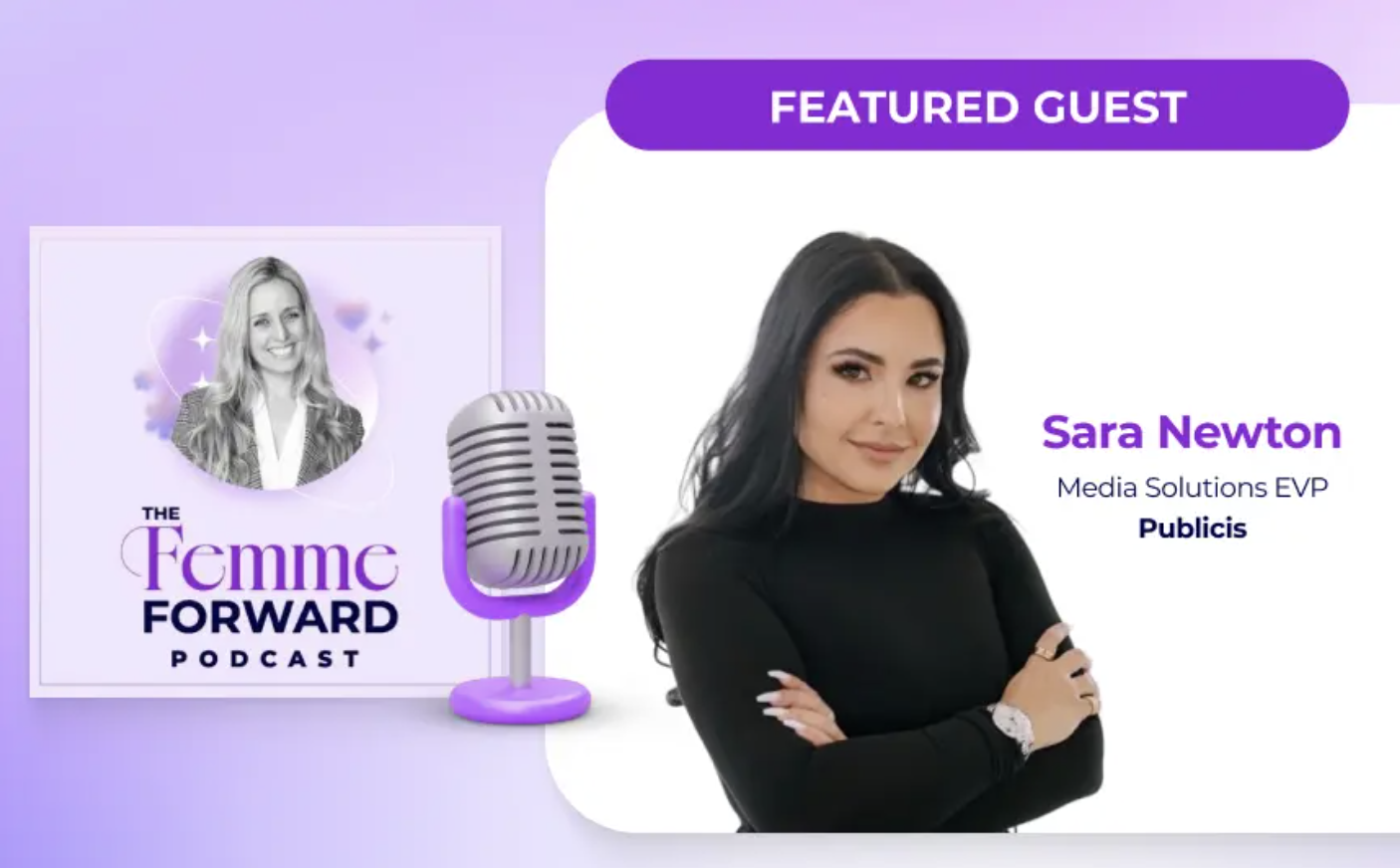
Amanda sits down with Publicis' Sara Newton to dive into what it really takes to lead, grow, and thrive.
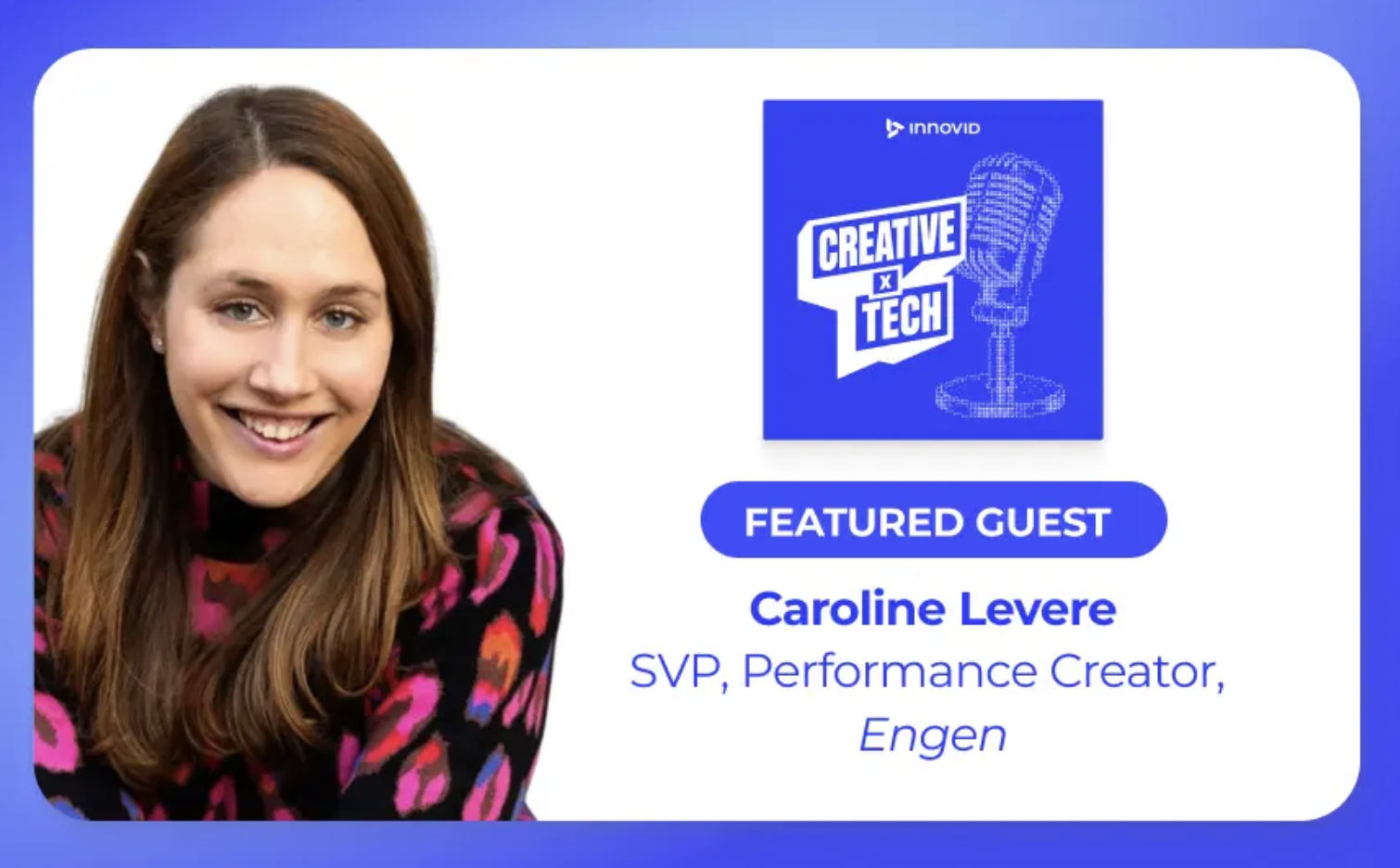
In the first episode, Dan Mouradian sits down with Caroline Levere, SVP, Performance Creator of New Engen.
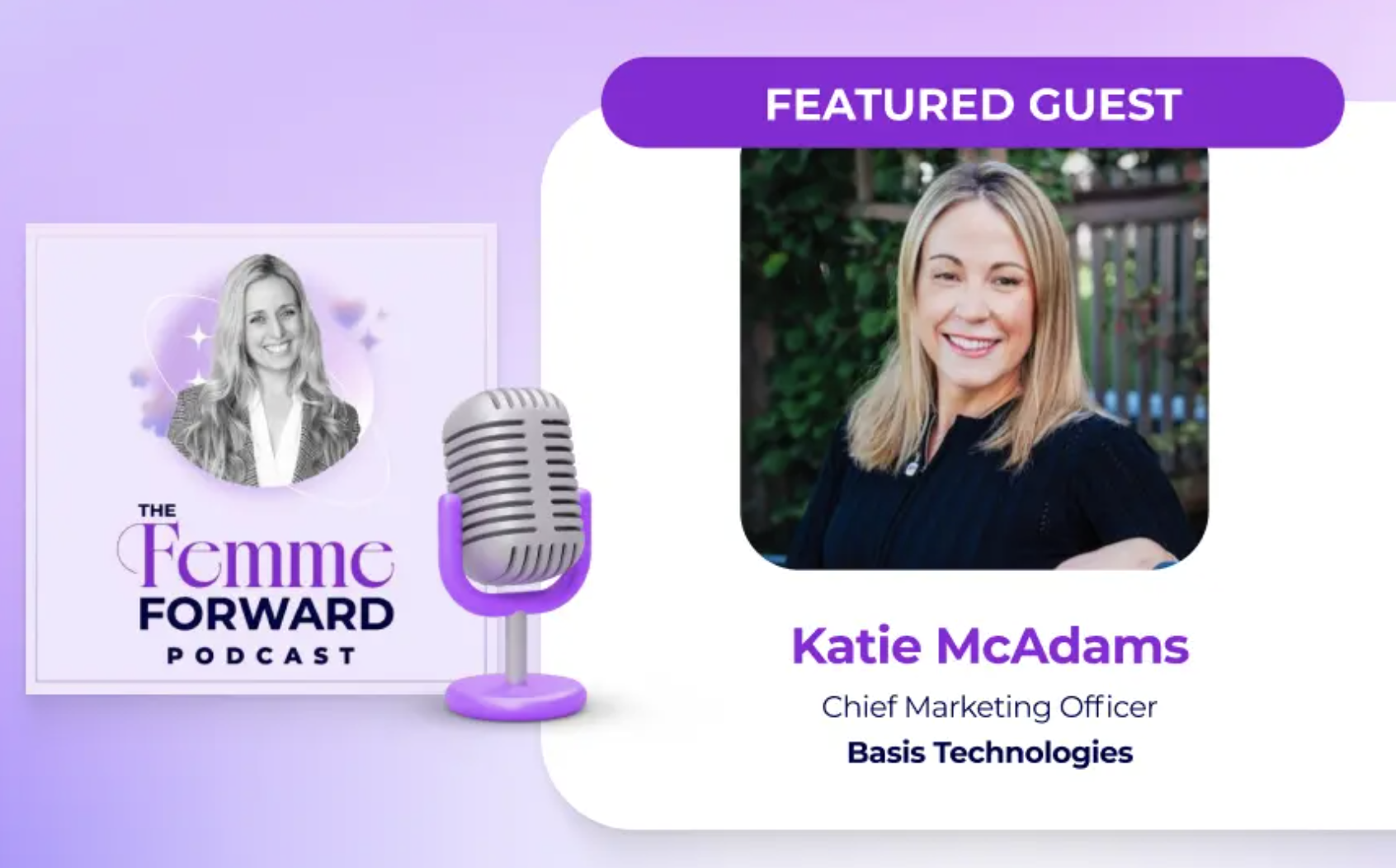
Listen to host Amanda Glen Smith and Basis CMO Katie McAdams discuss the power of intuition in leadership.
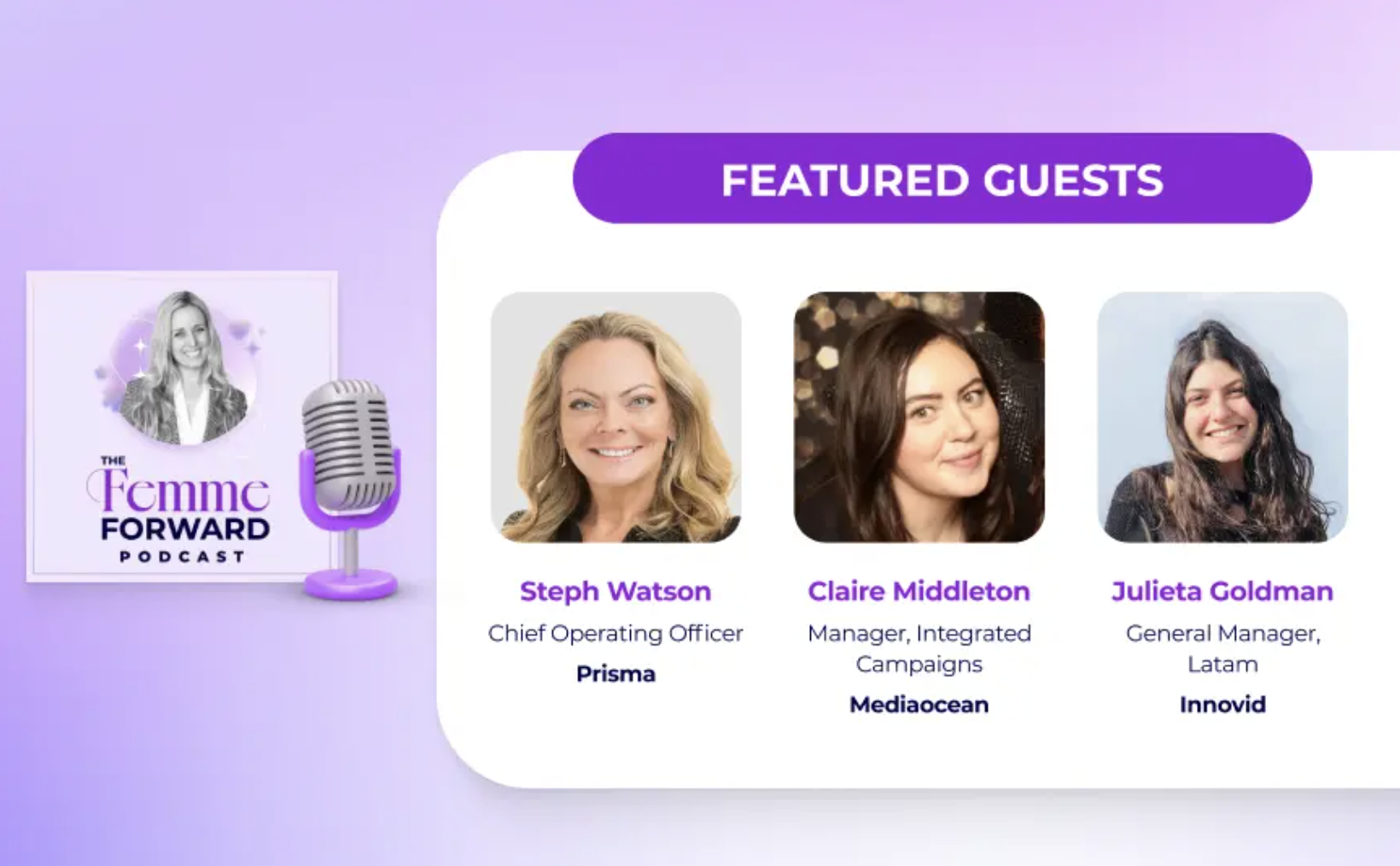
Innovid's Claire Middleton, Juli Goldman & Prisma's Steph Watson dive into the current "eras" of their career trajectories.
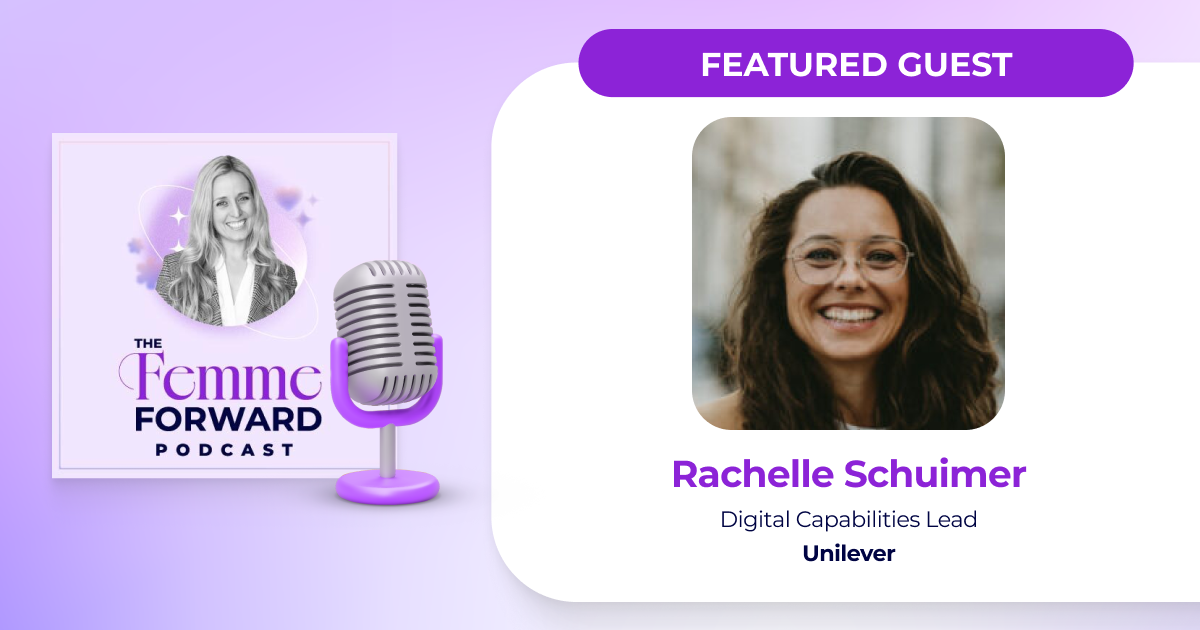
Listen to Amanda Glen Smitha and Unilever's Rachelle Schuimer discuss their careers.