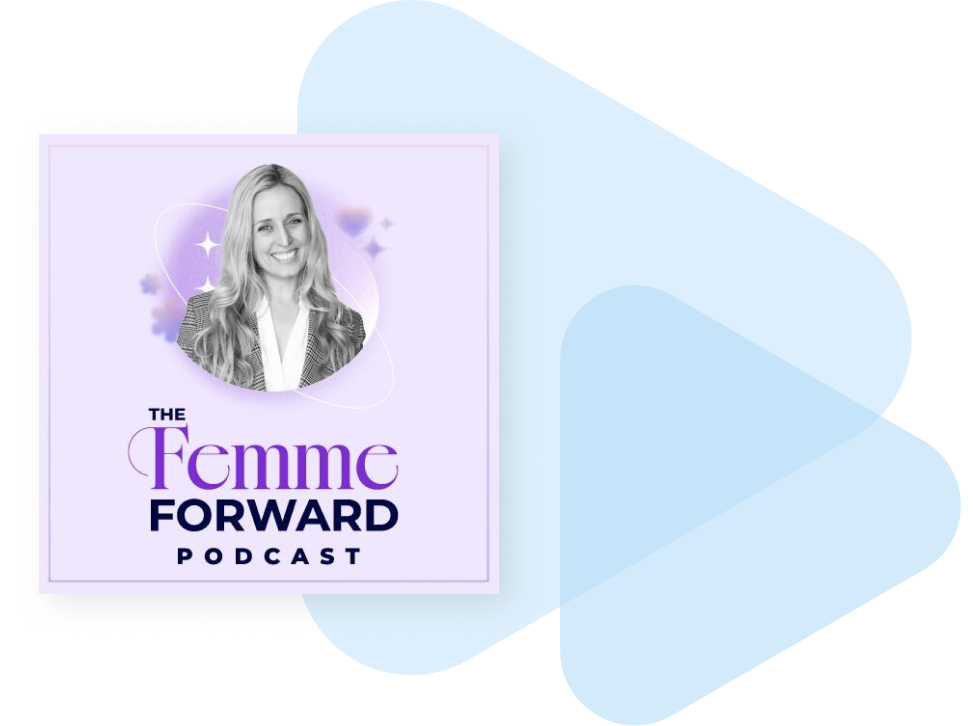
The Femme Forward Featuring Alex Snodgrass
Listen now
Click to listen on:


Read the transcript
Amanda Glen Smith: Alex Snodgrass is a digital trailblazer and entrepreneur. She is a three-time New York Times bestselling author and culinary creator who turned a personal passion for healthy eating into a thriving lifestyle brand. Grounded by her warm Texas roots and an innate gift for making wholesome cooking approachable, she has carved out a unique space in the digital landscape. Beyond her publishing success, Alex expanded her ecosystem into physical products with Sidedish, her line of multi-purpose sauces and dressings.
Fiercely authentic, Alex balances the demanding roles of a modern multimedia executive, founder, and mother with a down-to-earth charm that instantly captivates her audience. I'd like to welcome fellow Texan and my friend Alex to The Femme Forward.
Amanda Glen Smith: Alex, welcome to The Femme Forward.
Alex Snodgrass: Thank you so much for having me. I'm excited to chat and catch up today.
Amanda Glen Smith: I'm so glad you're here. I'm literally stoked for your new cookbook. I came off maternity leave because I wanted to have this conversation with you so badly.
Alex Snodgrass: I love that. Thank you for doing that with me.
Amanda Glen Smith: Okay, let's dive in. Tell us a little bit about your journey. I think everybody knows you as The Defined Dish, but take us back. Where did it all begin?
Alex Snodgrass: Yeah, it's my alias now. Everyone's like, are you The Defined Dish? I'm like, I guess I am now.
Amanda Glen Smith: I'm also Alex, but sure.
Alex Snodgrass: Oh, yes, for sure. My love for cooking has existed since I can remember. I was always that kid who was super interested in cooking, helping my grandma and my mom in the kitchen, and asking to be a part of dinnertime in any way they would allow. They were always super generous about that, so I learned a lot. Then I got to college. I grew up in a small town, so home cooking was the norm, and in college, home cooking was not the norm all of a sudden. By my sophomore year, I had my first apartment, and I was so sick of going out to eat all the time or going to the cafeteria. I was like, I am going to start cooking.
So I started cooking all the stuff I grew up learning to cook, and then I branched out and learned a lot more. I just kind of self-taught. Fast forward, I moved to Austin, got pregnant, kind of halted my life, and moved back to the DFW area to be close to family and raise our kids. I decided to start The Defined Dish with my sister as a sister project. It was really just for fun, more of a hobby.
Amanda Glen Smith: Like a hobby.
Alex Snodgrass: To share on the side. She was sharing fitness tips, and I was going to share recipes, because my friends were always asking me for my old recipes. I quickly realized, wow, I really love doing this. It gave me a lot of joy at a time when I didn't really know what I was doing with my life. Then, a couple of years later, I wanted to try to turn it into a business. My sister said she was kind of done with the whole shtick, so she left, and it was kind of my—
Amanda Glen Smith: You do you need you?
Alex Snodgrass: Yeah, I was like, do I want to stop doing it too, because she's stopping, or do I actually want to try to monetize this and make it a job, and see if I can make it work? That's when The Defined Dish that it is today was born. I hunkered down and delved into how I could make this a business. I gave myself one year to see if I could start making a little money doing it, and it all just worked from there. It built and built and built.
Amanda Glen Smith: It happened and spiraled from there. I love it.
Alex Snodgrass: That's the long story very short. We can dig into whatever you want from there.
Amanda Glen Smith: I want to dig into your upbringing. You said you had a family in a small town, and you were all cooking. Was it the same joy for your mom or dad to cook as it is for you, or was it more like, we're going to feed our family and we're all cooking together?
Alex Snodgrass: A little bit of both. My mom and dad still work way too much. They're workaholics and have worked really hard to build their family business. So on weekdays they were practical, and we had a lot of the same things. But when it was time to get the family together on the weekend, my mom would elaborate. She's from an Italian family, so she would bring that side of her upbringing out, and I learned a lot from those gatherings. My grandmother on my dad's side was the quintessential Southern woman who cooked with cream of mushroom soup and all the things. She loved cooking, and every Sunday we went for Sunday supper at their house. So we were around how food brought people together, I guess. But my obsession with food and cooking is different from my parents'.
Amanda Glen Smith: That makes sense. I always wonder, though, because bringing people together, family, and tradition, and holidays is one thing, and having it as a love, an infatuation, and a business is very different.
Alex Snodgrass: Yes, for sure. They were always cooking on weeknights, but it was go-to, easy-breezy stuff. We did a lot of Hamburger Helper. I love those nostalgic things, and I try to bring them back to life in my own way on my website and in my books, while also bringing in what I learned from the gatherings. Food was always a center point of our life. My earliest memory is rolling meatballs with my mom, because that was the one job I could do as a little kid before I started chopping and cooking with her.
Amanda Glen Smith: My friend and I were just talking about this weekend, about kids in the nineties and Hamburger Helper. Her mom was a really good cook and made her own bolognese, and she would always say, no, I want to go to Amanda's house, they have this thing called Hamburger Helper. And her mom was like, I homemade my meat sauce for you. I love it.
Alex Snodgrass: Yep. This has been simmering for like eight hours.
Amanda Glen Smith: Okay, I ask every guest the same question. As a woman in the digital media and CPG space, what do you view as your biggest differentiator?
Alex Snodgrass: At first, this was something that kind of held me back, but once I embraced it, it's what made my whole thing work. I didn't have any culinary training, and sometimes I feel like my recipes might be too simple. But at the end of the day, people go to Bobby Flay for a certain thing, and people come to someone like me for a different thing. So it's owning that, and trying not to show up and show off in a way that isn't authentic to you. Being okay with a simpler approach. Once I really owned that and rode that wave, I realized there's such a space for it and such a need for these super simple techniques, with ingredients you probably already have on hand. You might need to grab a couple of things at the grocery store. I think my flavor profiles are really good, but I keep the technique simple, and that works for the everyday home cook.
Amanda Glen Smith: So give the people what they want. We can't go Bobby Flay all the time, I'm not going to say.
Alex Snodgrass: Some people can. There's a niche for that, or there are holidays for that, and it's so fun to watch. He has built an empire around that, because he is a true chef who went to culinary school. I love following and learning from people like that, but that's not how I'm cooking on a Wednesday night. That's one of my center points as I develop recipes for my books. My mantra is: can people make this on a Wednesday? I ask myself that, and if the answer is no, I change it. During the holidays, there will be things that take longer, and there's a time and place for that, but a lot of my books don't center on that. Side Dish, our CPG company, is also centered on how people actually need to cook. I did a series on my website of five-ingredient dinners. That's not very fun for a creative to do, but I saw there was a need, and it was a fun challenge. I did a week of those recipes, and some are still among the top-performing recipes on my website. "Recipe" is a very loose term there. It's like grabbing some flank steak, putting it in the slow cooker with a jar of salsa verde, shredding it, and serving it over rice with a little cilantro on top. There's no true recipe to it, but that pantry staple made the flavor come to life, and someone's day was saved by that jar of salsa verde. So with Sidedish, I asked how I could bring not only a salad dressing, but a sauce to the table that will get skillet dinners, one-pot meals, and easy wraps done. It gives beautiful flavor that's not homemade but tastes like it, to help people bring those ingredient-driven meals to life.
Amanda Glen Smith: I feel like those meals are key, but they're assembly. There's a difference between wanting to cook and create, and wanting to assemble something for you and your family that's going to get done and still be delicious. So you basically—
Alex Snodgrass: A hundred percent. I write cookbooks, and I love to cook, but there are nights when I'm just making taco seasoning and ground beef bowls for my family, or pouring a jar of enchilada sauce over chicken breasts and shredding it in a slow cooker. Even for someone who loves to cook, there's always a need for those types of things, I've realized.
Amanda Glen Smith: Let's go into that self-starter mode you have. You have this self-taught mastery, and no official training, if you will. You started on a whim, as a hobby you really leaned into. You taught yourself a lot, and I know you and I have chatted about food photography, styling, and YouTube. How do you handle the pressure of trying to be an expert in areas where you were completely learning on the fly? You were also rising alongside an entire community of creators. There weren't a lot of people before you showing you how to do what you do.
Alex Snodgrass: I was definitely more in the food blogger era that met Instagram, that transitional period. I'm still a food blog girly, and a lot of people aren't. They're more content creators sharing their recipes on social media. I go back a little to the OG world, and I love that, because it lets me not put so many eggs in one basket as an entrepreneur. But when I started, I wasn't going to outsource and pay a photographer when that cost more than I was making. You have to be scrappy as an entrepreneur at the beginning. At first, people I knew were making my recipes, and word of mouth was a slow trickle. But the recipes weren't cute or photogenic enough for someone to see them and think, I want to make that recipe from this random girl I don't know. So how do I speak to somebody like me on the internet, so they trust me and make my recipes? A lot of it was visual, through photography. This was when Instagram was just pictures, before the video content.
Amanda Glen Smith: The filters weren't doing it for you. Not the heavy filters.
Alex Snodgrass: Yeah, and we weren't doing Instagram Reels yet. It was just photos. So I had to take better pictures of my food. I watched a bunch of YouTube videos about simple food photography and lighting, I invested in a good camera, and I did that for years. I took my own food photos, which took way longer, but they were good enough to make people's stomachs growl and come start cooking. I got pretty good at it, I will say. Now I don't take all my own food photos. I've outsourced that for years to a professional who does an incredible job and has a studio. They're way better than me. I had to learn to build my business, and I know my strengths, and photography isn't one of them. It was one of the first things I outsourced once I could monetize.
Amanda Glen Smith: I love the idea you just mentioned, that it's good enough. Don't let perfection get in the way of progress. A lot of entrepreneurs try to tout that. You just get started somewhere. You gave yourself a year, and you said, I'm good enough, we'll figure it out, and the rest will come.
Alex Snodgrass: Yes. If you really want something, you'll figure it out. You'll find a friend you can pay less money, or someone scrappy to do it with you. I thought, if these photos are still horrible and I can't figure this out, I'll find someone scrappy to do it with me, and we'll figure something out. You've got to figure it out at some point.
Amanda Glen Smith: You're like, I'll make your family dinner for a week if you just take these photos for me.
Alex Snodgrass: Yeah.
Amanda Glen Smith: I first got to know you around The Defined Dish, really around healthy Whole30 cooking. It used to be synonymous with restriction, and you flipped that narrative to focus on flavor, joy, and being healthy in your own body. Have you ever felt pressure to fit into a certain box? You've built your own terms, starting with Whole30, and that's where I first remember you really taking off.
Alex Snodgrass: For sure. When I started sharing Whole30 recipes, I was genuinely cooking that way. I was struggling with postpartum anxiety for the first time, and I was just crippled by it. My sister was in the fitness world, doing paleo-ish stuff, and I hadn't gone down that road yet. I was cooking healthy-ish, but I never did the paleo stuff. She said, hey Alex, I just did a Whole30, and I feel so mentally clear. I really think this would be good for you. So I did it, and it was a time of need when I really had to remind myself to take care of myself. A Whole30 is a thirty-day reset. You have to think about what you're having for breakfast, prep things, and buckle down a little at home and focus on yourself. I was like, my gosh, I'm taking care of everybody else but myself. It had a ripple effect for me. Now it's thirty days. I'm not living that way all the time, and I'm certainly not now, but it was eye-opening about what ingredients I was buying, what was in my pantry, and how I cooked. You see that reflected in my recipes now, even though they're not all Whole30. I'm still using some of the ingredients that were life-changing for me then, to clean up my pantry staples.
At the time, Whole30 was huge, and it still has a great community. They have two Instagram accounts that I know of, and probably more. Whole30 Recipes is where they shared all the recipes, and they invited creators like me to take over the account for a full week. You could share your recipes and do a takeover. They literally handed you the keys to the castle and said, go share. I treated it like a cookbook. I planned, took pictures, and had a wall with a map on it, like an FBI-style board. They had way more followers than me, and I was like, this is my audience, and this is my time to really grow. I went full steam ahead. That was huge. I got a bunch of followers from that, and word of mouth always spreads that way. The Whole30 community has always been super supportive of me, and Melissa Urban, of Whole30, has been as well. My very first book was because they did a series of endorsed books, and I was their third or fourth author. The recipes are all my own now, but it was in conjunction with Whole30, part of their series, and 60% of the recipes had to be Whole30 or easily modified to fit. It was a huge success, way more than anyone anticipated. It was an instant New York Times bestseller, and we sold way more copies than I'd ever dreamed of. Because of that opportunity, I was able to write Alex Snodgrass, not endorsed by Whole30. So I owe a lot of my lift-off, and becoming an author, to the Whole30 community.
Amanda Glen Smith: I still go back to that cookbook all the time. The chicken tikka masala. My book is disgusting. It has stuff all over it. I probably need a new one. It's totally mangled.
Alex Snodgrass: Yes, but that's the book. Whenever I go to book signings, people bring their mangled books, and it's often that one, and I love it. It's a good staple to have, with clean ingredients, and people are like, this is Whole30, and it's a good thing. I just realized I had a knack for it. I love food, and I'm obsessed with making things taste good. This girl wasn't going to eat grilled chicken and broccoli for a month. Ain't no way. I was like, what am I craving? Gumbo. So I'd think, how can I take these ingredients, make a faux roux, and bring those flavors to life? It was so fun, and everybody loved those recipes. The Whole30 was a huge part of my career, but now that's not my identity. You don't eat Whole30 for your whole life. It's a thirty-day reset, and then you realize what works for you. That's the whole point of the program. So the way I write my recipes is how I eat, and the ingredients I use.
Amanda Glen Smith: I think that's great. It sounds like you evolved. Whole30 is still a core tenet for you, but you didn't feel like you had to stick within that box. Were there times you thought, gosh, this is where I got started, should I stay strictly within Whole30?
Alex Snodgrass: Yes and no. That's what people came to find me for. They like that style of cooking and are looking for it in their lives, to be better for you but still big on flavor to feed their families. So there's a need and a want for that style of cooking in my books. But that first book was endorsed, and we had some parameters. The parameters are now my own to decide. Sometimes the recipes are naturally Whole30 or easily modified. That's why throughout my books, there's still an emblem in the corner, and Whole30 has looked through the books, approved them, and given them a once-over, so the emblem still says whether it's Whole30 or not. But with Everyday Eats, I did not do that. It says paleo, dairy-free, gluten-free, grain-free. Whole30 was such a big part of my career, and I wondered whether it needed to be on all my books. This is book four, and I felt like I was holding on to it as a security blanket when I didn't really need it anymore. The term paleo is close enough for someone looking for that. So I let it go with Everyday Eats, but there are still dietary notes in the corner of every recipe in this book.
Amanda Glen Smith: Let's just say Whole30 doesn't have to define The Defined Dish. See what I did there?
Alex Snodgrass: Exactly. And I know they wouldn't want it to be like that either. They're super supportive in every way.
Amanda Glen Smith: Okay, you started with this incredible hobby, food blogging all day, every day. A lot of digital creators right now have a similar problem, where there's a misconception that what they're doing is a hobby or a side hustle. At what point did you stop viewing yourself as only a food blogger, and say, this is a full-time business, I need to step into the role of CEO? What was your inflection point?
Alex Snodgrass: Around the time my first book published, I signed with a management company to manage my paid partnerships, and I thought, this is way bigger than I ever dreamed of. I was just hoping my cute little website would get some traffic and make some ad revenue on the side, and that worked. But then it started to take off in so many other ways. I did have an ultimate goal. I love cookbooks. Writing cookbooks is my pride and joy of all my monetization streams. I love the process. But when I signed with that management firm, and my first book was coming out and was a success, I thought, it's time to pivot and look at things from a bird's-eye view, and get structures in place so I can make this sustainable and preserve my joy of cooking at the same time. I was taking my own pictures, cooking all the recipes, prop-styling, and my friend Kristen shot the whole book. We were scrappy, because I didn't have a big advance to write it. Now I do things differently. We have a whole team to produce the book. I've learned a lot by wearing a lot of hats, but I've had to let go of some along the way, to make this a sustainable business. Every entrepreneur has to have those moments of saying, how can I look at this from a bird's-eye view, pivot, and make things flow more easily, so I can be a mom and keep this business afloat.
Amanda Glen Smith: That's a good lesson for everybody. Being able to wear all the hats and be scrappy is part of what got you where you are. But at a certain point you have to let go of a lot of that, so you can make room for others to support you, because they're really good at those things, like professional photographers. And it gives you space to evolve and scale past the prior version of yourself.
Alex Snodgrass: Yes. Could I technically be doing everything? Yes. But I would live a horrible life. I would be miserable. I wouldn't have time to be a mom, take care of myself, and be fulfilled in all aspects of my life.
Amanda Glen Smith: What did you start with in terms of delegating or outsourcing? It sounds like photography.
Alex Snodgrass: Yes. I have a lot of people I outsource to and contract out. Photography is one, and it's the main one. Sometimes people film some of my recipes and do hands-in-pans style cooking. I have two full-time employees on my team. I have a social media manager, and Katie. I couldn't do life without Katie right now. She's my right-hand woman and my COO. She does all the operational stuff. She helps with search engine optimization on the blog and website, and she helps with project management and campaign management for my brand partners. The person negotiating deals for my brand partnerships is my manager. She's outsourced, and she's great. Denise. I've been with her forever, and I really trust her. I also outsource recipe testing to Kelly. She tests all my recipes to make sure there are no errors and everything is precise and accurate. There's a lot of little things we're doing to keep it afloat, and it's a lot. I have to work way ahead. I'm making soups right now for the fall, even though it's hot as hell around here.
Amanda Glen Smith: A hundred and ten degrees in Texas, and you're like, let me just get this slow cooker going.
Alex Snodgrass: Clayton's like, why are you making soup? I'm like, this is for the blog in October. I develop the recipes, they go through a testing process, they go to my photographer, and I have to get all of that to her by September first, so it's done by the end of September and goes live in October, plus time for people to test the recipes and make sure they work. So while I could just make recipes and slap them up, I put a lot of pride into making sure they're foolproof and people keep coming back to my website and trusting me. These are systems we now have in place that I didn't originally have.
Amanda Glen Smith: In the marketing world, we just call that a content calendar. You're ahead of schedule on purpose for your upcoming launch. Throughout that process, you started hiring people and delegating. Did you have a rule of thumb as you evolved, for deciding that something should be handed to someone else? How did you make those decisions?
Alex Snodgrass: Knowing where my strengths and weaknesses are. SEO, search engine optimization, for anyone who doesn't know, is always changing and evolving quickly, and you have to keep up. Having Katie stay on top of that is super helpful, so I can focus on what I'm good at: developing recipes, being the face of all this, and making it all come together. That's an important part of my business, making sure the website is seen and picked up. Outsourcing that was one of the first things I did, and photography was a close second. So it's about realizing where my time is best spent, how spread thin I am, and what I can take on. From there I could say, this is what I can delegate, and this is what I need to prioritize, because only I can do this part.
Amanda Glen Smith: So lean into your strengths and understand yourself. This has to be me. I'm the brand. I'm the face. Other things have to give.
Alex Snodgrass: Yeah, for sure.
Amanda Glen Smith: Let's go back to SEO for a bit, because everybody is always curious. When you think about success, how do you monetize The Defined Dish? Everyone understands there are cookbooks and cookbook sales, but let's talk about the rest.
Alex Snodgrass: Cookbooks usually pay you up front with an advance, or you get royalties, depending on your contract. My first book was all royalties, because they didn't know if it would be a success. Now I'm paid in advance for those. The second is my website, thedefinedish.com, which is where SEO comes into play. We have an ad provider, so all the ads you see, even though the website is free, are how I get paid to write all those recipes so they can be free on there. That's a big part, and probably the most steady of my revenue streams.
Amanda Glen Smith: Don't worry, this audience knows a lot about that, because we serve those ads. Not the pop-ups, but the ones strategically embedded in your site.
Alex Snodgrass: Yes. If you've been shopping on the website, and then you're on The Defined Dish and there's a "hey, shop here" for that dress you were just looking at, those are all ads. That's been great. On the partnership side, my manager brings in paid partnerships. If I'm working with Made In cookware or a food brand, they pay me to promote and endorse their product. That's another revenue stream. Lastly, there's affiliate. If I say, hey, these gray t-shirts are from here, that kind of thing. Affiliate is probably my least significant stream, because I'm not a fashion blogger. I share food products here and there, and it's a nice element, but I don't prioritize it. The other three are the most important monetization streams for my business. Every creator is different. Some are all about paid partnerships and affiliate, and others monetize through their websites, Substack, or whatever they're doing.
Amanda Glen Smith: Then you have a fifth one, which is the CPG world, right? Side Dish.
Alex Snodgrass: Yes. I'm not making money from that yet. Hopefully one day it will. We've put so much money into it, because to grow into retailers and bottle more sauce, you have to spend a lot of money on your product for it to come back around.
Amanda Glen Smith: You will. We're manifesting this now.
Alex Snodgrass: Please, God. Right now, we're putting what we make into growth. We're hoping to pause that for a little bit and keep us in the retailers we're already in. We're now in Whole Foods nationwide, Sprouts nationwide, and H-E-B Central Market, and a couple more. You can find us on our website. We're pulling back for a little while to rest, because we've been trying to get where we are right now. That's been a whole other world, and it's another hat that I wear. We just brought on a great CEO to run Sidedish. After two years of trying to figure out Sidedish, we realized, I don't know what I'm doing, you don't know what you're doing, nobody knows what they're doing. So we found Reno, who was at Truff, the hot sauce company, and before that at Primal Kitchen. That world is a whole other beast, and he's been really great. He's helping us get our ducks in a row, and we're going to do another product launch next year that I'm super excited about. If you're a nineties kid, you're going to love it.
Amanda Glen Smith: This could be an advertisement. Go get Sidedish, everybody. It's delicious, lots of flavors, and healthier. They're just better for you.
Alex Snodgrass: It's all multi-purpose salad dressings, is what it is. We have some vinaigrettes that are great, and we have ranch, which is all made with avocado oil. We have a honey Dijon, and a creamy sesame that's kind of like a peanut sauce. They're all refined-sugar-free, made with avocado oil and really straightforward ingredients that I think people will love.
Amanda Glen Smith: They're going to love it. You have so many workstreams, five different ways you monetize. That's already a lot of hats. You have a new cookbook coming out and Sidedish. How do you plan what's next, your ambitions and goals? There's a lot going on in the world of Alex.
Alex Snodgrass: I don't want to take on any more right now. My oldest daughter is about to start eighth grade, which is crazy. She starts school next week, and I'm thinking, I have five more years with her under my roof. That's hitting me hard.
Amanda Glen Smith: No heartbreak.
Alex Snodgrass: So I'm good right now. I'm doing another book. I've already signed the contract for my fifth book, because writing books brings me the most joy. As I evolve, I'll probably pull back more. Don't take my word for it in five years, though. I'm investing in a lot of CPG brands right now, and that's been really fun. Clayton and I have built a cool portfolio that we're very proud of. We've started doing more of that, and I'm starting to pull back a bit, because I really want to focus on making awesome cookbooks, and that's what I love most. I'm curious where the blog will go with AI coming in. Right now it's the same, and the revenue is the same, but I'm holding my breath. A lot of OG bloggers are scared about what that will look like for our income. So I'm taking it month by month, to see if I need to change how people find my recipes that aren't cookbooks.
Amanda Glen Smith: Let's get a little personal. How do you personally measure success? We talked about monetization, and when you look at balancing creative joy, commercial growth, and personal fulfillment with your family, how do you define success?
Alex Snodgrass: It's a tricky balance. I spend a lot of time, energy, and money to keep The Defined Dish running, so I need to make an income to keep it going. But at the end of the day, I don't need to be a bajillionaire with this business. My measure of success is that people are cooking my recipes, trusting them, cooking them for their families, and bringing their families together through cooking, because I love that so much. It brings me so much joy. My most fond memories are growing up around the dinner table with my family, that bonding, connecting time. We're all in a hurry, it's so busy, and some days people just eat and go to their rooms, and that's okay. I'm not saying you need family dinner at the table every day, but the more we prioritize getting people around the table, the better. So I'm trying to influence people to do that, and to slow down and prioritize it. I'm trying to slow down a little, to remind myself of my own goals and be present with my family while maintaining this business. I'm not looking to be on TV or do anything more than I'm doing right now.
Amanda Glen Smith: I love that. It's beautiful. It's slowing down, focusing on cooking your recipes, and building connection. You just said beyond TV, so you heard it here first. If Alex has a show in five to ten years, we'll know.
Alex Snodgrass: Then I'll eat my words. When I'm an empty nester, we might go wheels off. We'll see. I haven't even published my fourth book yet. It comes out August twenty-fifth. The book I'm working on next is a passion project I've wanted to do for a long time. My publisher kept saying, next book, next book. So my next book is different, and it's all I can think about. I want to put my creative energy into it, and I'm so pumped. I think it's going to be epic. I have so much excitement around writing books, and I'm asking myself why I'm not prioritizing it more, because that's what people love most, and what I love most. So I'm going to put more eggs in the author basket moving forward, while still keeping some eggs in the other baskets.
Amanda Glen Smith: Why not? You can tell how passionate you are. People love it from you. I feel like this is a lesson for everybody: when you do what you love and put your energy there, the rest flows. That basket's going to be overflowing with eggs, and they're going to be scrambled if you put all your stuff there.
Alex Snodgrass: Yes, exactly.
Amanda Glen Smith: Let's talk about managing your energy. You have so many hats, and I think a lot of women who work full-time, have a family or don't, have a lot going on and a lot to balance. When you're in the public eye and you're the brand and the centerpiece, I imagine it can be really exhausting. How do you manage the emotional labor and the pressure to always be on, with this online community to give to?
Alex Snodgrass: It's really tricky. When I first started sharing on the internet, I was very naive. Instagram Stories was in its infancy, and we were all kind of naive about what we were putting out there and consuming. I shared it all. Here are my babies, here's my life, here's what I'm doing right now, here's what I'm doing in ten minutes. I was oversharing. As I grew, my kids got older, and criticism started coming in about stuff about my family that you don't want people commenting on, I thought, why am I opening up and letting people affect my day and make me feel like a bad person when I know I'm not one? How can I preserve my energy? I'm someone who was affected by that. Some people might say, whatever, I don't care. Sometimes I am like that, and I've gotten thicker skin over the years, trust me. But to what point are you sacrificing your personal mental health for others? Really early on, I realized I wasn't going to share this much. It's tricky, because I still love my community, and I want them to be part of my life in a way that's healthy for me and my family. Now I sometimes feel I don't share enough of my personal life, because I shut it off a bit too much. Once you protect your peace, you're kind of like, where do I open up and where do I close off? I probably need to figure out that balance, and it ebbs and flows. Food is everything, and it all trickles down from there. So it's protecting my mental health, my family's peace, and my privacy, at the end of the day.
Amanda Glen Smith: While they're younger, it's harder, because they're so cute and into it at a certain age. My daughter right now says, Mom, can I use your phone? I want to film myself making Loom bracelets. I'm like, for whom? Who are we saying this to?
Alex Snodgrass: For themselves, literally. They film the weirdest things of themselves for nobody to see, and it's hilarious. So I guess it's setting a good example for them, with boundaries on social media, and treating this as a business. It's so much fun, because I get to cook, but there's a lot that goes on behind the scenes to make the magic happen.
Amanda Glen Smith: When you got all that criticism, and you've obviously gotten thicker skin, I can't even imagine what it's like. How did you build that thicker skin and start rejecting the idea that you or your family have to be perfect, or that it's none of their business, quite frankly?
Alex Snodgrass: That's been an evolution. Whatever you believe in, I feel like God put me in this role to make me less of a people pleaser. I was a chronic people pleaser before this. I'm a caretaker to a fault. I love taking care of other people more than taking care of myself. It brings me joy, but sometimes to a fault. It's a pro and a con. This role has made me a better person and rounded me out, and I think this has been my journey for a reason. With time, at first I would cry a lot. Clayton could tell you, I'd say someone said something and I'd just break down. He has the thickest skin. He's the opposite of me. Opposites are a trap. He's like, who cares what that person thinks? They're idiots. And I'd say, you're right, but it took me a while to get there, and a while to realize this isn't about me. It's a reflection of whatever's going on in their world. For today, I was their punching bag. I put myself out there to get ripped apart here and there. But it's usually dumb things, when you think about it, that people comment on.
Amanda Glen Smith: That's such an interesting lesson. This role for you has morphed you into who you're supposed to be, letting go of criticism, but also letting go of people-pleasing, which I think a lot of females have. It's how society places us, how we were raised, and it's also what a lot of us like to do. It's not unnatural or innate to many, many females. I think it's incredible that you recognize it's a reminder to pour into yourself, and that it's okay not to take criticism so sensitively, and to evolve into this next version of you.
Alex Snodgrass: Yes. Perfection doesn't exist, and you can't be everything for everybody. Social media is that you get to choose your own adventure and follow the people who bring you joy. Some people like to hate-follow and curate negativity in their world. I remind myself of that as I follow other creators. Does this person make me feel good about myself? Does this person make me happy when I consume their content? I think that's a good reminder for people. We're not on the internet just to bash people. If someone is bothering you, click unfollow, block, whatever you need to do to keep yourself healthy and sane, because it's not the real world. It's this weird social media world, and I'm not showing every hard thing I go through. Maybe I'd share a little fit that my kids threw when they were one, because that's relatable. But I'm not putting their personal struggles out there at the age when they're more formed young adults in middle school, when that would be detrimental to them if I broadcast it. So I don't share the hard things as much, because they put my family in an awkward situation.
Amanda Glen Smith: It totally makes sense. I think it must be really hard. You're a digital creator, and so much of your brand is in the social community. But I take massive breaks. Postpartum right now, I have to get off social media a lot, because I'm like, wait a second, that person's doing what? They had a baby, or they're in this Texas heat, and I'm sitting inside blaring sixty-eight-degree AC, and everyone else looks like they're living their best life in Europe. And I'm like, okay, never mind, I'm going to delete this for a while. It can be so negative.
Alex Snodgrass: One hundred percent.
Amanda Glen Smith: It's a constant reminder that people put their best foot forward, their best selves, on there, and we all forget that.
Alex Snodgrass: Yeah, for sure.
Amanda Glen Smith: Okay, you grew up in Celina, Texas, and I feel like you—Celina!
Alex Snodgrass: Celina.
Amanda Glen Smith: My gosh, look at me, a Texan saying it wrong.
Alex Snodgrass: It's okay. It's a small town, and everyone calls it Celina, but I have to correct you, because I'm from there.
Amanda Glen Smith: Okay, what's the population?
Alex Snodgrass: When I left Celina in 2006, when I graduated high school, I want to say it was seven or eight thousand people. Now it's one of the fastest-growing cities in the United States, maybe the number one fastest-growing. The toll road goes north past Frisco to Prosper, and Celina is growing massively. Now there are probably fifty thousand people there. Don't quote me on that, but there are definitely more than thirty thousand.
Amanda Glen Smith: My gosh. I did not know that. Wow.
Amanda Glen Smith: I feel like that's deeply rooted in you and your brand: warmth, comfort, hospitality, Texas. A lot of my colleagues make fun of me for being so Texan. I'm like, it's a pride thing. We just love where we came from. It's part of who we are. What lessons or traits from your upbringing shape how you lead and show up in your business today?
Alex Snodgrass: Growing up in Celina, it was a small town, and it was so community-driven. Everybody came together for anything that went wrong in someone's life, and for all the football games. We were the quintessential Friday Night Lights town. The sense of community I grew up around is what I like to curate at The Defined Dish, so people can come be a part of it. I learned a lot about community from growing up in such an amazing, tight-knit place, and I'm very grateful for that. Some of the traits in my cooking and recipes, and bringing people together around the table, come from my upbringing in Texas too: how we gather and how we prioritize family. The center point of that is often food.
Amanda Glen Smith: It always is. Okay, let's talk about motherhood. You were building your business while you had a newborn or small children. How has motherhood shifted your perspective on boundaries, how you show up for your family and yourself, and balancing it all?
Alex Snodgrass: I think being a mom is the most amazing job I could ever have. I love it so much, and it brings me the most joy, so I'll always put that first. At the end of the day, I'll delete everything and lose this business to protect my kids, because I'm a mama bear. As I evolve and my business evolves, I want this to grow, but at what point am I putting my kids in a vulnerable place, or a situation I don't want them in? Being a mom makes you hold back, especially in the creator space, at least for me, because I want to protect them first and foremost. But being a mom has also made me more vulnerable and, I think, more authentic on my page, because I can share from a space that's my truth and so many people's truth. How I cook, how I share, and how I bring this community together has a lot to do with being a mama bear. So it's twofold. I'm holding back a lot, but I'm also bringing an authentic place where people can feel like they belong.
Amanda Glen Smith: We talk a lot about that on The Femme Forward, which is being authentic. There used to be this notion of don't bring your full self to work, that you have separate personalities. Now more and more people are vulnerable, relatable, and their real selves. You just say, wow, I just got on this Zoom, and it was a whole show to get here because my kids were feral this morning. It makes you slightly more relatable and human, versus showing up picture-perfect for everything you do. When you strip away all of that, the best-selling books, the business, the Instagram, how do you recharge your creative battery? How do you practice your true self, and care for yourself, so you can pour into all of it?
Alex Snodgrass: I'm a homebody through and through. I love being at home. My Aura ring will say, you had a great restorative day, what did you do? I'm like, I stayed home and did absolutely the things I wanted to do.
Amanda Glen Smith: Nothing.
Alex Snodgrass: I cleaned out my fridge. I organized some things. I put a pot of soup on the stove, not in the summer heat, or I marinated something to grill. I had a lot of robe time, a hot bath. When I've exerted myself, like on my book tour, I map it out. I'll go hit some cities, and then I come home and have two days to be a homebody. If I don't have that, I might fall apart. I'm an introverted extrovert. I need my introvert time to shut off the world, say no to things, and chill, so I can restore and keep going. An introverted homebody day is my recharge.
Amanda Glen Smith: I love that.
Alex Snodgrass: I think that also has to do with being from a small town, where you didn't have anything to do, so you just hung out at home and chilled. I love that.
Amanda Glen Smith: Okay, let's talk about what's next for you. Everyday Eats, your new cookbook, launches August twenty-fifth, right?
Alex Snodgrass: Yes, so soon, any day now. I'm very pumped. I'll be in New York City on launch day. We're doing GMA on launch day, and then my book tour starts. For the next month I'm traveling and getting to meet lovely people on the road. I love this part, because it reminds me that people are actually cooking my recipes, and I'm not just speaking to my phone or computer. Seeing people in real life, hearing their stories, how they learned to cook, and how they enjoy my recipes is a good reminder, and it gets me hyped to come home and keep doing what I do. I'm very excited, because it's been a while since I've been on the road.
Amanda Glen Smith: I already pre-ordered mine, so I can't wait for it to come in the mail. This is a message to all our listeners: pre-order your cookbook, or order it after launch day.
Alex Snodgrass: Yes.
Amanda Glen Smith: Okay, Alex, we're going to move into the lightning round. I'll ask quick questions. Kitchen non-negotiable: is it olive oil or ghee?
Alex Snodgrass: Olive oil.
Amanda Glen Smith: What's your best cooking soundtrack?
Alex Snodgrass: I love slow, easy Casey Musgraves when I'm cooking sometimes. So I'll go with that.
Amanda Glen Smith: Love Casey Musgraves. I really wish she weren't coming to Texas the OU weekend in Dallas, by the way. It's a really, really hard day for us Texas fans. It's a really big day.
Alex Snodgrass: That's a problem for you UT people. Yeah, for sure.
Amanda Glen Smith: Okay, best kitchen hack?
Alex Snodgrass: My favorite cooking hack is every Sunday, check the inventory of your fridge and get rid of anything that's old. I hate going to my friend's house and seeing the fridge. When's the last time you went through your fridge? It's disgusting. A clean canvas makes you want to cook and feel inspired. But when you open it and it's dirty stuff, and you're like, what's good, what's bad, you're like, let's order takeout. So clean out your fridge once a week. It doesn't take long when you keep it up weekly. It's a five-minute ordeal.
Amanda Glen Smith: Another hack is actually meal planning. You don't have to go crazy, but on Sunday, when you take that inventory, ask what you could make this week, and what activities you have this week.
Alex Snodgrass: Yes. On Tuesday we've got soccer until seven, so let's put a slow-cooker meal in, and now I need to look for a slow-cooker recipe. When you break it down for your week, I have a chapter in Everyday Eats called Sunday Setup, and it's exactly what we're talking about. Clean your fridge, make a meal plan for the week, even if it's "I'm going out to eat on Wednesday." That way you're not scrambling, ordering DoorDash, and spending so much money and not being your healthiest self. I'm not saying DoorDash is bad. We do it all the time, but not all the time.
Amanda Glen Smith: Yes, I agree. Okay, a weeknight rescue meal when you have fifteen minutes and no brainpower left. What do you cook?
Alex Snodgrass: Taco bowls.
Amanda Glen Smith: Taco bowls, yes.
Alex Snodgrass: My kids love taco bowls. We have a lot.
Amanda Glen Smith: Okay, power accessory when you feel your best? An amazing apron or a signature piece of jewelry?
Alex Snodgrass: A good pair of earrings, like a statement necklace.
Amanda Glen Smith: I'm the same. I'm like, let's just throw on some earrings today, and we'll feel fierce. Okay.
Alex Snodgrass: For sure.
Amanda Glen Smith: Ultimate comfort food?
Alex Snodgrass: Probably lasagna or a pasta of some sort. A red sauce pasta, like a bolognese, or a lasagna, super hardy.
Amanda Glen Smith: Yes, and a heated carb.
Alex Snodgrass: Ooh, or maybe chili. Close second, and it's adjacent to a bolognese.
Amanda Glen Smith: Yeah, same vibe. I love it. Okay, best beauty product you've bought lately?
Alex Snodgrass: The No Makeup Makeup. Have you tried it?
Amanda Glen Smith: Yes! Yes! Yes! Tell people what it is.
Alex Snodgrass: I feel the same way. It's like a little powder thing, but it's a foundation.
Amanda Glen Smith: It's like a compact of liquid powder. I don't even feel like it's foundation, though, it's so light.
Alex Snodgrass: I'm telling you, I have a huge stash right here, and you can barely see it, because this stuff is magic. It's called No Makeup Makeup, and they have other products, like a little packed compact foundation, I guess. I like it so much that I reached out to the founder, a very successful woman. I asked, any chance you need investors? This is the best product ever. She said, maybe one day. I'm obsessed. I'm very passionate about it.
Amanda Glen Smith: I am too, because it reduces your makeup routine to legitimately three minutes. There are all these evolutions of products, and all the amazing things they bring, but this changed my morning. I was like, okay, whoa, this is so easy.
Alex Snodgrass: It's epic.
Amanda Glen Smith: Do you use any of their other products, or just the compact?
Alex Snodgrass: They have a blush, and they just sent me a new product they haven't launched yet. I've used it twice and I love it, but I don't know if I can say what it is. It's all very simple.
Amanda Glen Smith: Okay, you can keep that secret. But I'm going to try the blush too.
Alex Snodgrass: It's not that kind of makeup. If you're going out on the town to the club, it's not for that. But if you're like us and just need something for every day, I will die on this hill. No Makeup Makeup is the best.
Amanda Glen Smith: Last question, which is going to rival another guest we had on the podcast, also from Dallas. What's your favorite Dallas margarita?
Alex Snodgrass: Ooh. I'm going to have to go with Mu Chacho.
Amanda Glen Smith: Same. My husband and I call it cry juice, because they're so strong and so amazing that if you have too many, I always cry, out of happiness, not sadness.
Alex Snodgrass: I love that. I feel seen. Whatever you need to release, it'll get it out. It's a little exorcism. I also think when we pick our favorite margarita, you have to pick the combo of the best margarita and queso together. Mucho margarita and queso is the best in Dallas too, as a duo.
Amanda Glen Smith: It's the best one to punch. Yes, I agree.
Alex Snodgrass: With the ground meat and all that stuff in it. To die for. I might need that for lunch today.
Amanda Glen Smith: I love it. Okay, Alex, thank you so much for joining The Femme Forward. We loved having you on. It was such a blast getting to chat with you, and you were such a delight.
Alex Snodgrass: Yes, thank you so much for having me. I really enjoyed it.
Announcer: You're listening to the Mediaocean Podcast Network. For more of our shows, visit www.mediaocean.com/podcasts.
Related resources

IAB's Chris Bruderle sits down with Dan Mouradian to discuss the changing live TV landscape.
Raj Muhar, startup founder & CEO, joins host Dan Mouradian to discuss AI's role in creative.
C16 Biosciences' Shara Ticku dives into having confidence, intuition, and navigating male-dominated spaces.
Host Dan Mouradian and Chief Creative Officer Walt Geer discuss taking career risks, emotional storytelling, and more.
In the latest episode of Creative x Tech, host Innovid's Dan Mouradian sits down with Klick Health's Devon Taylor.
Host Amanda Glen Smith sits down with Zeta Global's Nicole Muscatello.

Xumo's Eli Zang joins host Ziggy Zografakis on the debut episode of The Other Side of the Screen.
Amanda sits down with Lynn Utter to discuss executive presence, career growth, and the double bind.
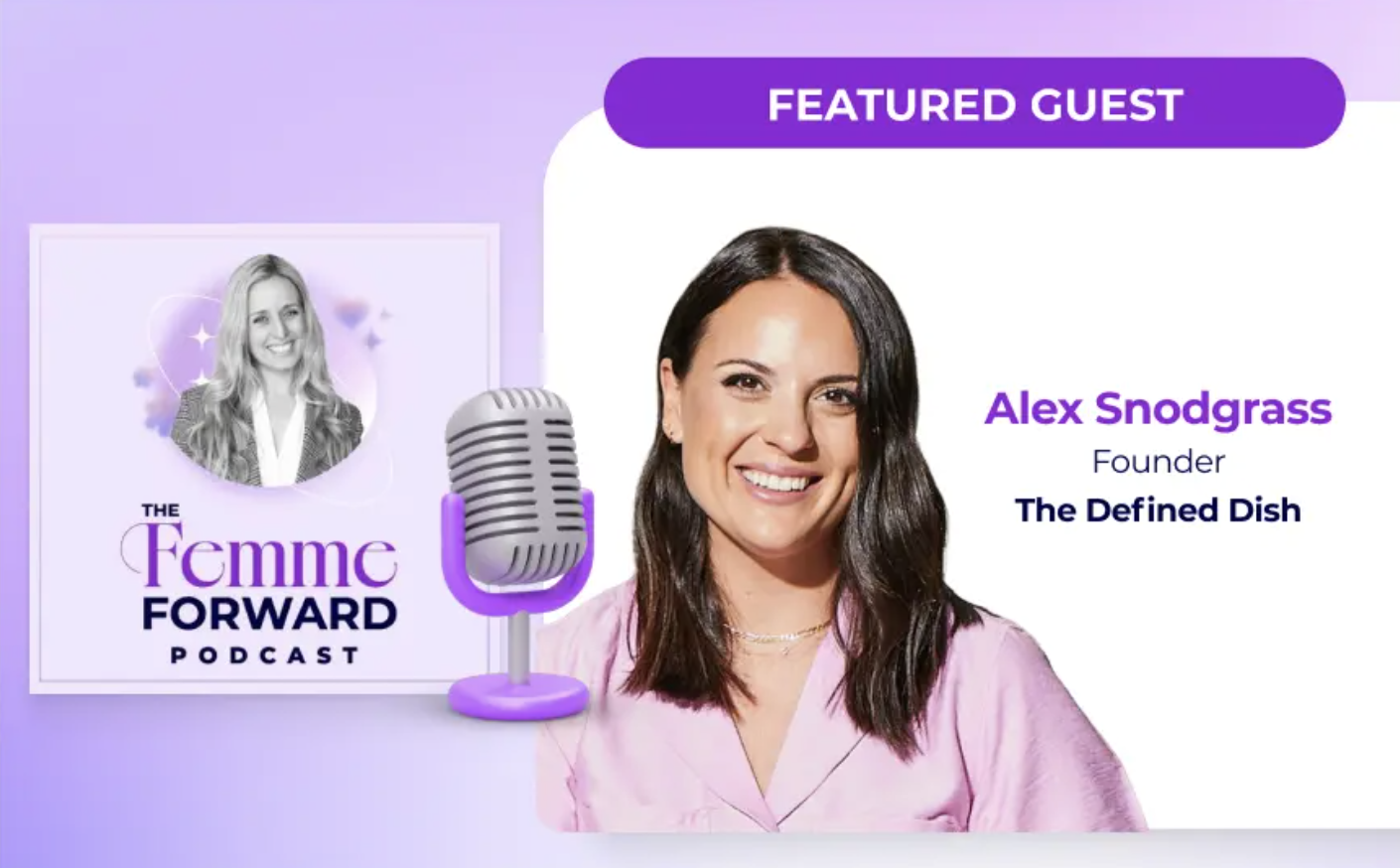
Amanda sits down with The Defined Dish's Alex Snodgrass to discuss her career and what she's learned along the way.
Amanda sits down with Miracle Mama founder Whitney Rowell to talk about building a business from the kitchen table.
In this episode, Amanda Glen Smith sits down with Lori Goode, CMO of Index Exchange.
In this episode, Amanda Glen Smith sits down with Jen Dass, Chief Operations Officer of WPP.
In this episode, Amanda Glen Smith sits down with Brooks Miller, Global Head of Creator Strategy at Edelman.
Listen to Gay Gaddis on confidence, risk & reinventing success.
Deborah Wahl shares her leadership lessons, career-defining risks, and personal philosophy.
Tune in to this episode breaking down perfectionism, empathy and confidence.
Amanda and Khara talk juggling work with motherhood, managing delegation, and being your most authentic self.
From the evolution of AI to how it can lessen the mental load, Sarah & Amanda dive into the future of an AI-assisted life.
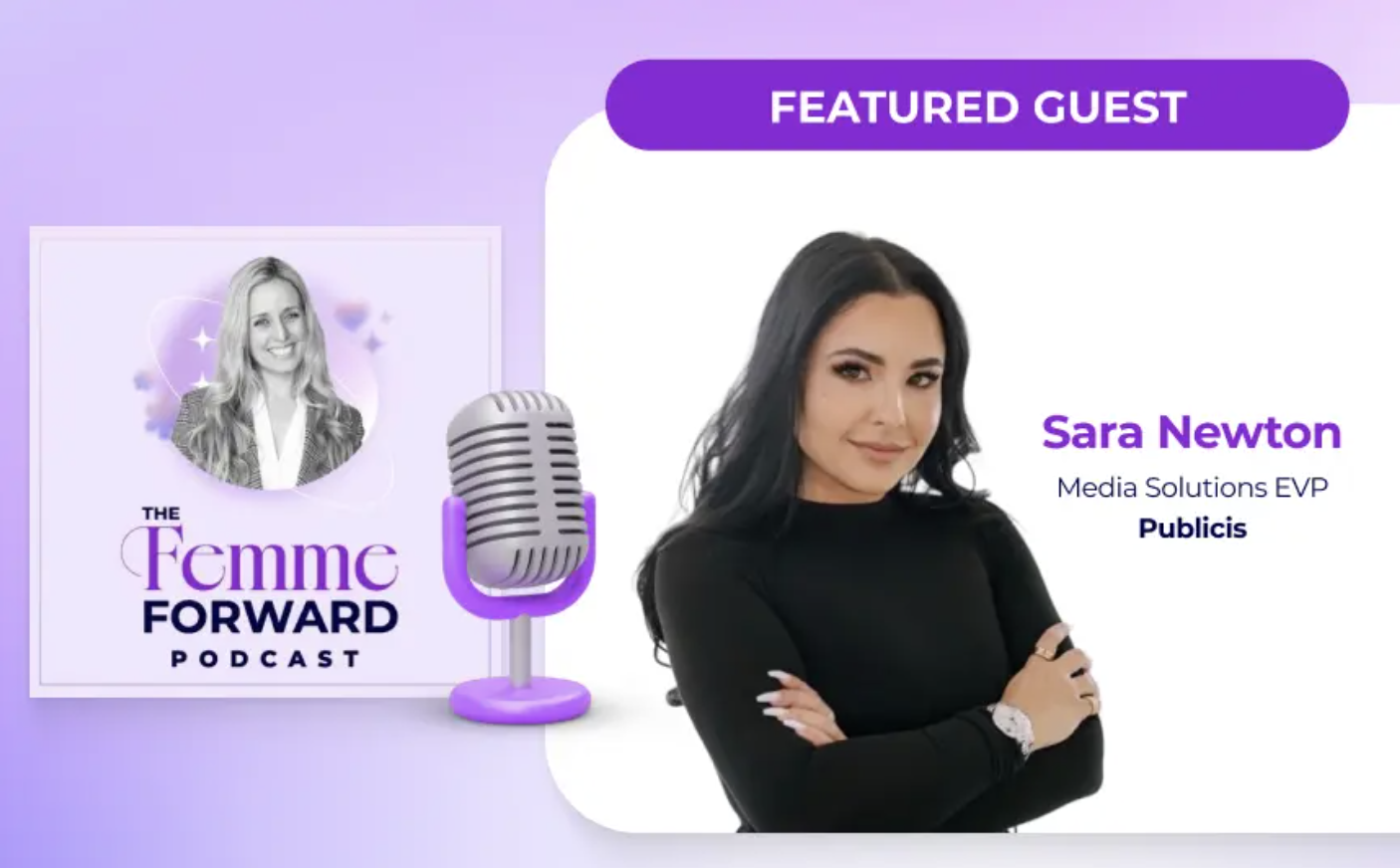
Amanda sits down with Publicis' Sara Newton to dive into what it really takes to lead, grow, and thrive.
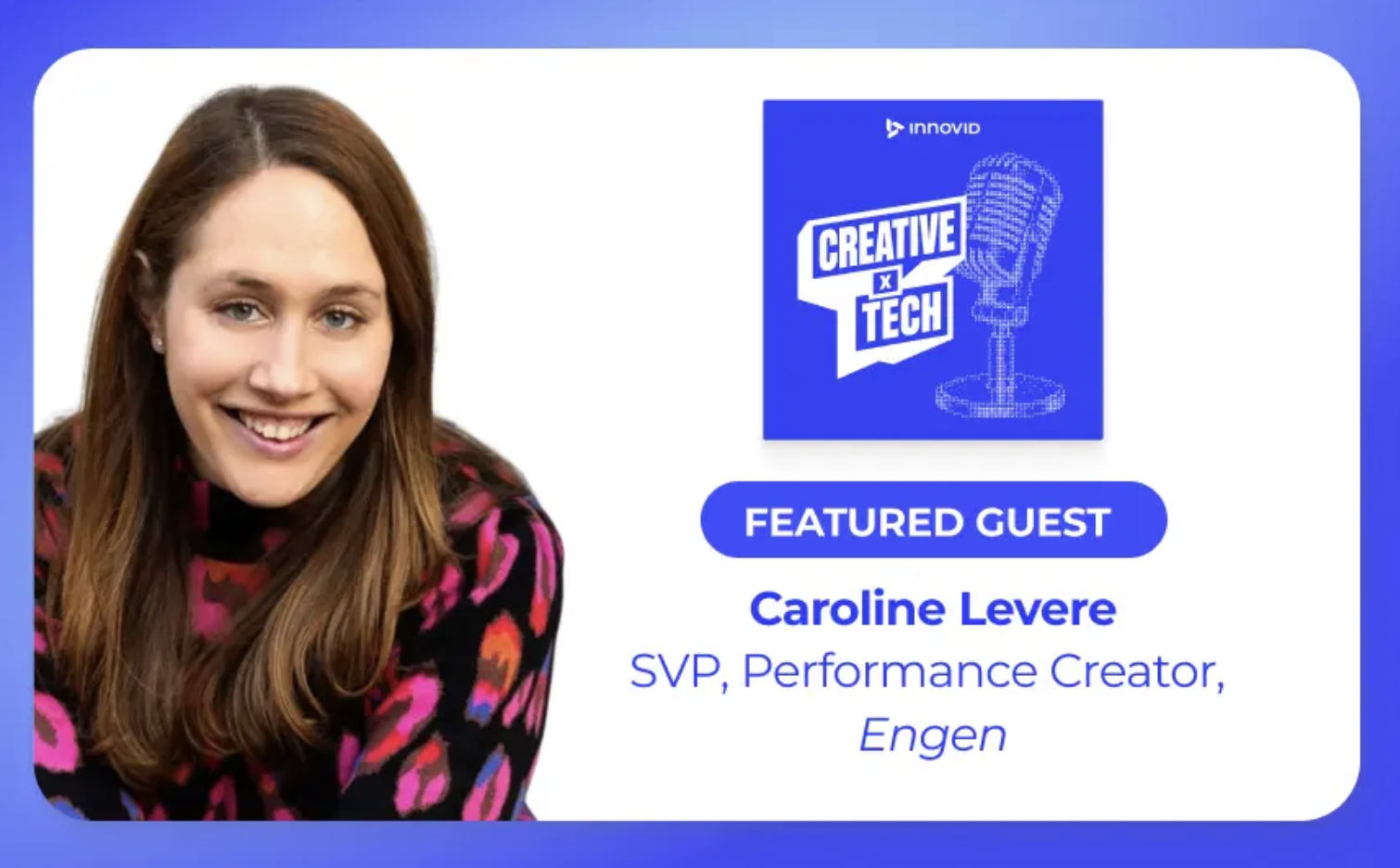
In the first episode, Dan Mouradian sits down with Caroline Levere, SVP, Performance Creator of New Engen.
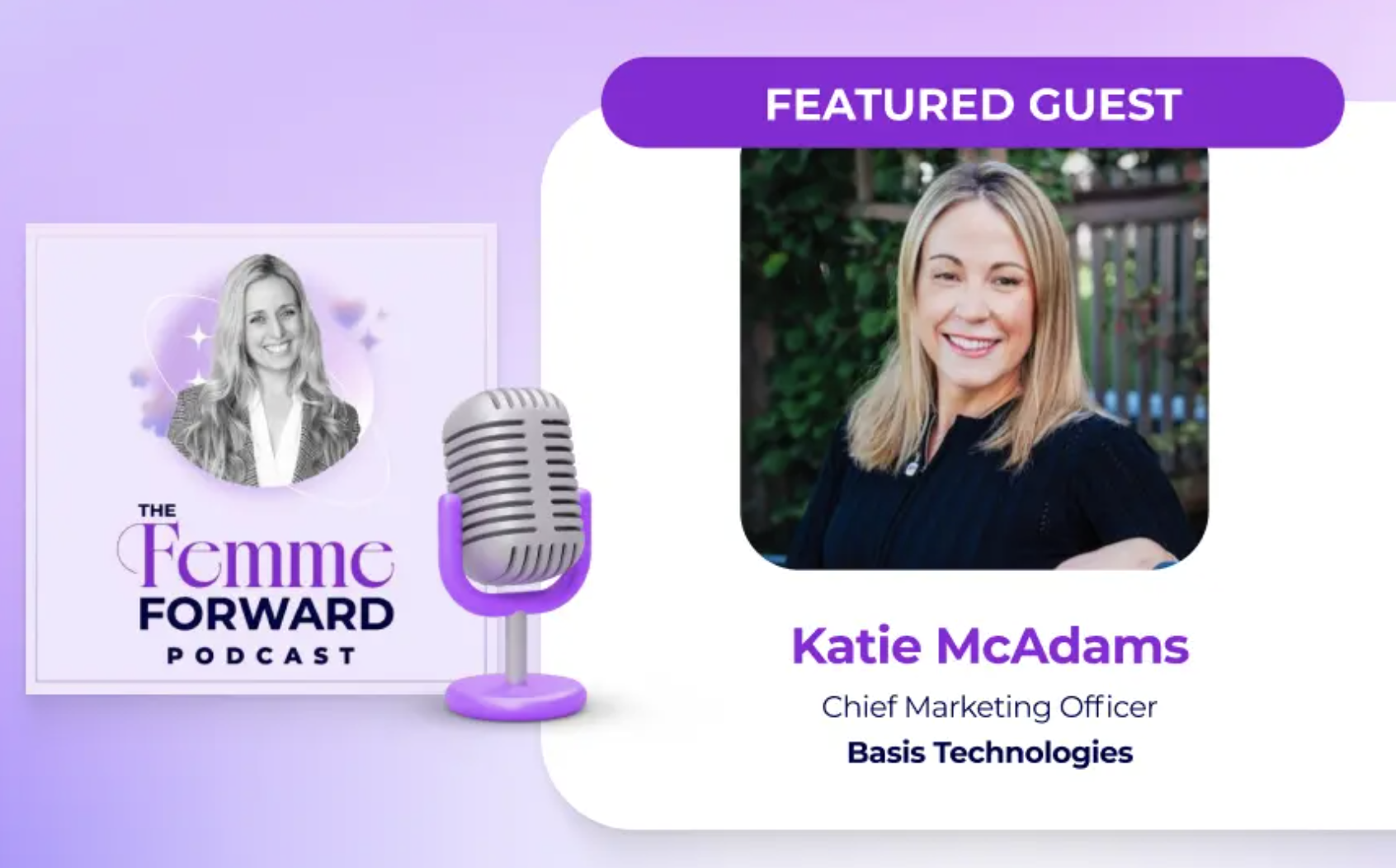
Listen to host Amanda Glen Smith and Basis CMO Katie McAdams discuss the power of intuition in leadership.
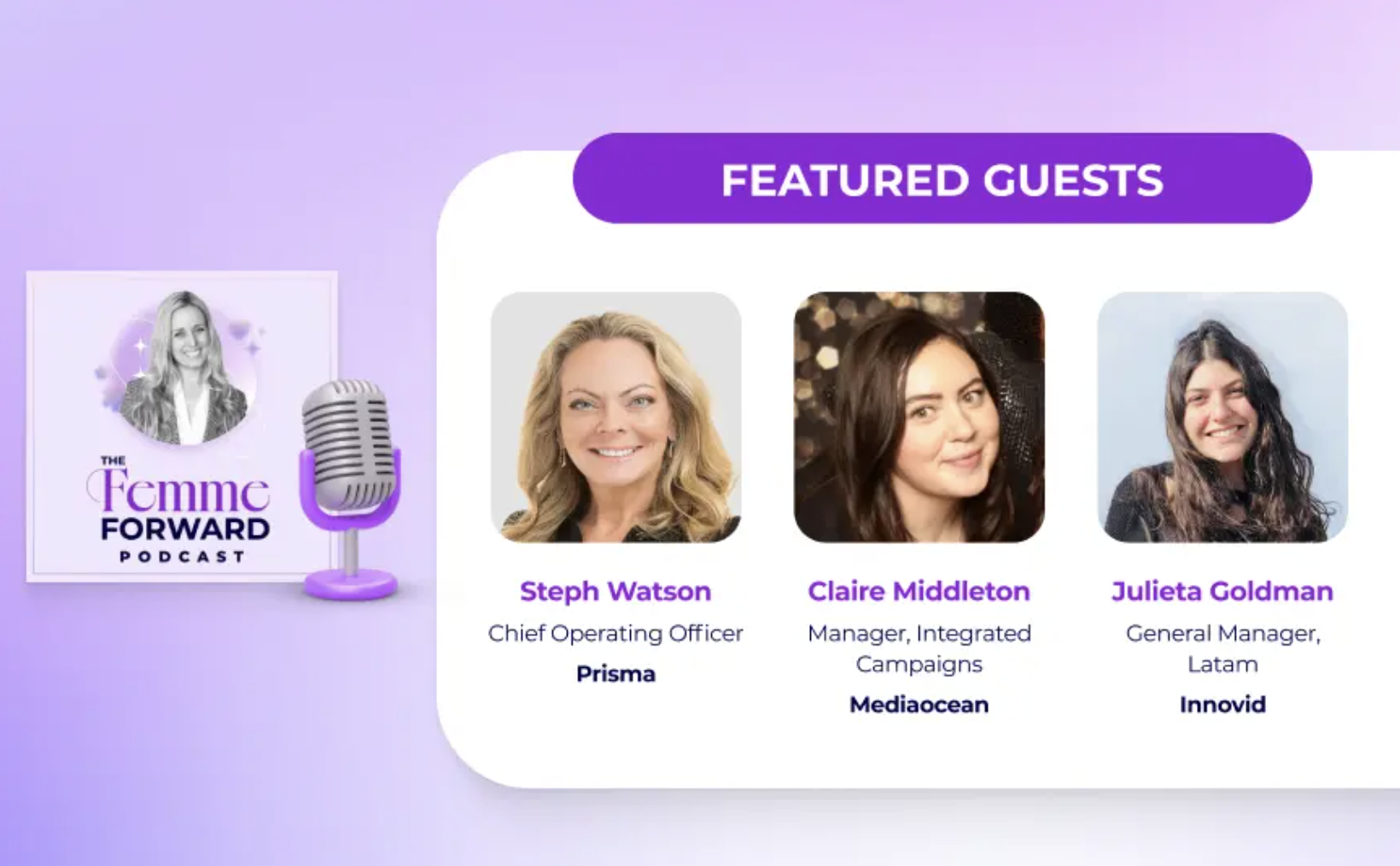
Innovid's Claire Middleton, Juli Goldman & Prisma's Steph Watson dive into the current "eras" of their career trajectories.
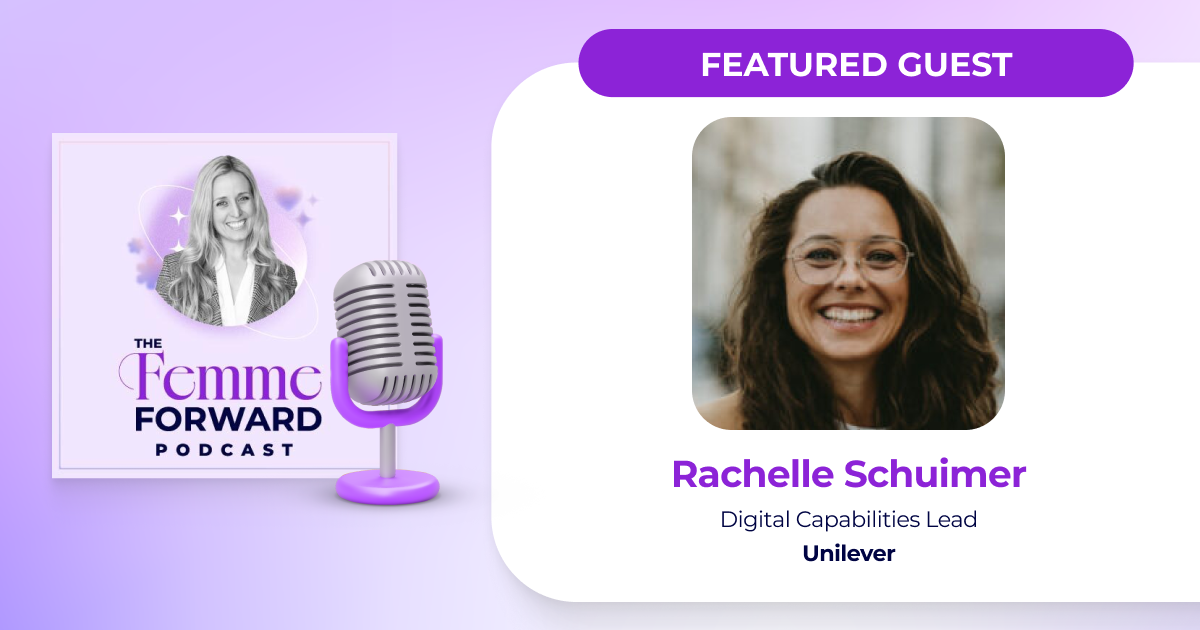
Listen to Amanda Glen Smitha and Unilever's Rachelle Schuimer discuss their careers.