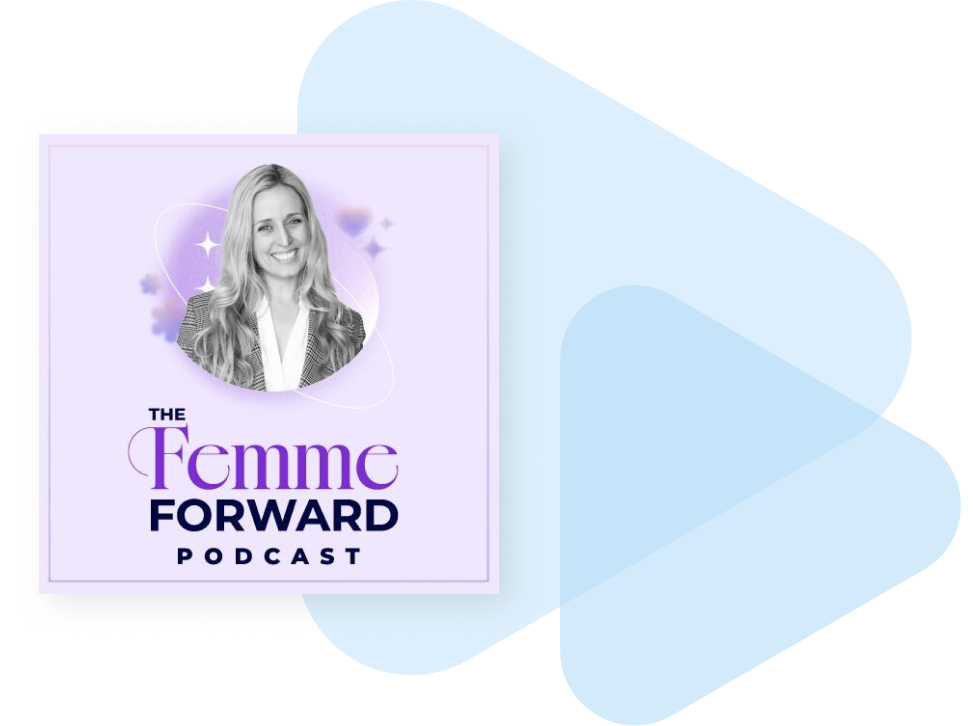
The Femme Forward Featuring Jen Dass
Listen now
Click to listen on:


Read the transcript
Amanda Glen Smith: Good morning, and thank you so much for joining us. Let's just start with who you are, your role, your title, how you got here, and what your incredible role is.
Jen Dass: Ironically, I have very lengthy ties with Mediaocean and Innovid. I actually started way back when, in finance, at a private banking company. When I first got out of college, I realized I hated it, because it didn't allow me to do any critical thinking, even though it was very lucrative.
I was lucky enough, even at that early age, for a headhunter to find me and say, hey, why don't you try the advertising industry? There's a lot of math in media and advertising, and lo and behold, that's what I did. I started off at Publicis in the client finance org, and then I joined Mediaocean. I was in the product development organization for a number of years. That's actually where I had my son. I thought I would be there forever.
Then agency life pulled me back. I went back to Publicis to oversee their very first global analytics center, which was their enterprise tech stack at that time, and then I made my rounds through the holding companies: Horizon at Dentsu, and IPG. I'm currently the Global Chief Transformation and Operations Officer at WPP. I just started a few months ago, and I'm very happy that they have all the constituent parts of what they need. It's more about the storytelling and how we bring it together for our clients, which everyone is moving toward in the age of AI these days.
Amanda Glen Smith: Definitely. You've been at all of them, which is incredible. You have experienced every single holdco, I think. Next you need to go indie, you know?
Jen Dass: For sure. The one thing I left out is that, to your point, I created my own consultancy in February, because I thought, if I can do this at enterprise scale, why can't I do it for myself as well? It's for clients who need it, smaller clients or tech companies, which I usually partner with anyway. But I do think agency life, and having the rounds at the holdcos as well as a large independent, has set me up for success, with my product and data background as well.
Amanda Glen Smith: Definitely. I love that you started here at Mediaocean. It's like full circle. Let's talk about how we met, because I feel like that's kind of crazy, based on where we both sit now, but it feels like it was back in the day. Do you remember the first time we met?
Jen Dass: It had to be a Comcast meeting back in 2019. I was overseeing Comcast, in a newly created function. I was creating my own new things: business integration. It was a dual role that sat at the intersection of data, technology, and operations, as well as client leadership. But really, I was pushing the envelope on our partnerships, on the way we work, on the future, on forward-thinking, and on thought leadership for Comcast and the entire portfolio. I'm pretty sure it was Viola who got us to talk about what Innovid and Flashtalking could be doing for Comcast at that time, and how we could evolve. Yes, I still remember it. It was like 2019, right? Ish?
Amanda Glen Smith: Okay, yes, we had just migrated everything for Comcast from Spongel over to Flashtalking, and you had just started to lead transformation there. So I'm sure we met based on issue first, as all client service goes. Okay, well, Jen, we start every Femme Forward with the same question, so I'll give it to you: as a woman, what do you view as your biggest differentiator?
Jen Dass: There can be so many answers to this question, based on my background and the way I lead, but I think the biggest one for me is making myself accessible. I didn't have a sponsor, or somebody who brought me up through the ranks throughout my entire career. I've had really great allies and folks I call friends, whether that's you or Steph, or folks I still chat with, even within Mediaocean's four walls and across the holdcos I've been at. But it's really important for me to be the person I didn't have throughout my career. So, making myself accessible, whether that's open office hours, one-on-ones. I know it's labeled as silent work, particularly for a woman leader, but it's really important to me to get to know the team, the individuals, what their perspectives are, and what motivates them, so I can help them keep growing and doing great work.
Amanda Glen Smith: I love that. And I love that you still give that ability as an executive, which really does get harder and harder to do, even if it's your DNA and what you believe. You're like, I'm the most successful person, Slack me any time you need, because you really will respond. It just becomes different and harder. So I love that you've been creative and able to offer different ways as you evolve through your career. Speaking of your career, where you sit now is a very integral and incredible role.
Did you always know that you wanted to be an executive?
Jen Dass: Not at all. It was the farthest thing from my mind. When I joined Mediaocean many moons ago, I actually thought I'd be a lifer at Mediaocean, or at that time DDS. I just happened to be in the right place at the right time, and opportunity came and knocked on my door. I think between that and finding my voice, which we'll talk about more, including the pivotal moment, I was sitting in rooms with folks who were saying things or doing things I was already thinking, so why not just take a leap and do that? That's just worked out for me throughout my career.
Amanda Glen Smith: Yeah, I love that. When you think of where you are now, and that journey of listening to some of those opportunities when they knock, how do you measure success?
Jen Dass: When I was more junior, success was more materialistic, right? What is the title? What is the compensation? How do I show up? For myself now, personal success means how I am showing up as a holistic person, not just professionally. What does it allow me to do with my kids? With my family? How flexible is it, to allow me to still do the consultancy I created? That's still very much top of mind. I've worked really hard to be where I am, and I obviously want to maintain that, but your priorities shift, and taking a holistic approach is really important. The other thing I'd say is that I'm a very statistical, data-driven person, so professionally I've also created a few scoring mechanisms, which I'm happy to share with you.
Amanda Glen Smith: Tell me more.
Jen Dass: For the gamut of my remit. On the client side, I created what's called a client adoption score. There's only a finite number of resources and talent, so how do we effectively, and in an unbiased way, prioritize client firefighting, for lack of a better term? That client adoption score needs to be customized based on the priorities, but it really worked well in terms of 95% retention, new client wins, and organic growth. From an operations perspective, there are the traditional things you think of, like ROI and productivity, which I review monthly to make sure things are going really well. But as I've matured, both professionally and personally, being fully present, and realistically meeting my family's expectations of me where I can, is really important to me.
Amanda Glen Smith: Yeah, I love that. We talk about that a lot here too. They're just different motivators, right? Compensation is one. A title is another. Flexibility, in being able to offer you or your family what they need, is another. And then there's one I always think about: when you're in a role and in an organization, is your voice heard? What's your impact score? When you speak and have ideas, do you feel they're appreciated and valued, and that you can move them to the next level?
Jen Dass: I think there are all these different levers when you look at success and what it really means. It changes over time. Back in San Francisco, I thought, this is so materialistic and ridiculous, but there's a Whole Foods by our office, and I thought, when I can go to Whole Foods and get a sushi lunch and a drink and maybe a cookie, and not stress about it, I've made it. That was my definition of success. I probably still think that way, out of Whole Foods, but that was the lever, and then it morphs. Every version of you in your career can adopt and change that and have a kind of score for yourself, of what really matters, because at any given time it can be very different.
Amanda Glen Smith: It changes, yeah.
Jen Dass: I know we didn't get into it, but one of the reasons I went back to Publicis after Dancy was that my son was diagnosed with ADHD. While I was on a C-level path, it was more important that he was okay, that he knew how he learned, and that he was set up for success throughout his academic career and beyond. I'm grateful for that. I kind of grew up there. To your point about impact and driving that impact through, my last role at IPG was really nice, because they were going through their own transformation internally and had a full remit for me to do what I wanted. It was really successful.
Amanda Glen Smith: I can only imagine, in this new role, there are a lot of swim lanes and a lot thrown at you. How do you manage the art of delegation, and make sure you're focused on what you need to focus on, and have the right team around you to help with the mission you're setting forth?
Jen Dass: Yeah. That was a hard lesson for me, if I'm being honest. You've known me a long time, so you know, as a lot of folks at Mediaocean, and at Innovid and Flashtalking, I am, I'm, and I have very high standards. I'm not very unreasonable. Don't think you could tell me otherwise later, after we're not recording. But I usually have reasonable requests. The net of it is that, from a delegation perspective, it's really hard to let go of, I don't want to say control, but I can't think of another word right now. Delegating saves me a ton of anxiety, but it can also cause anxiety and frustration when you're a perfectionist. So I learned a trick that has really helped me throughout my career. I'm not just going to delegate and say, here, go do this thing. I'm going to say, here's my vision of what I need to get done. It's almost like a mini brief, less than a paragraph or two: this is the vision, this is what I need, these are the milestones. Nobody's a mind reader. You can't expect everybody to read your mind, and nor do what I want them to, because that would be kind of weird. Having check-ins at the right cadence is really important. Two frequent check-ins don't allow for tangible progress, and you don't want to micromanage. But too-long check-ins don't allow you to redirect if something needs fixing. So find that right cadence. Last but not least, trust your people. Everyone wants to do well at the end of the day. Some folks may need more guidance than others and may proactively reach out. It goes back to psychological safety, and being accessible to your team when they need it. The only other thing I had to learn about delegation is that it's never going to be perfect. If the team gets 75 to 80% of the way there, and you refine and perfect the other 20 to 25%, that's a win, because I'm not spending hours over that last 75 to 80%. Have the team feel like they're contributing, but also have a little bit of autonomy.
Amanda Glen Smith: Yeah, it's such a hard lesson to learn, even if you actively try.
Jen Dass: My biggest issue is that people are not mind readers, so I expect them to be, and that's beyond unreasonable. You have to define what success looks like, and what that output should look like. Even if it's 80%, it's like, this is what it would mean to me if this is done correctly and effectively. It's a really hard one. I think a lot of women have this issue. We're controlling, I don't know a better word either, but I'll go with it.
Amanda Glen Smith: What has surprised you as you've grown into leadership and stepped into all of these bigger roles?
Jen Dass: I'm really well known for my work product, the quality of my work, my thought leadership, and pushing the envelope. That's what I love doing. I cannot be in a role where I'm just operationalizing things. That's really important, but not necessarily innovative, although now, with AI, it can be. The thing that surprised me most, if I'm being honest, is the amount of administrative work that comes with the levels we have. When I was an associate director, then a director, at my second role at Publicis, I was a project manager at a different level, and they gave me an entire business intelligence team. I was like, oh, this is great, I get to learn new things. But what it realistically became was a lot of therapy sessions.
Jen Dass: I definitely want everyone to have the space and the psychological safety to feel they can speak, have an open mind, and make sure their voice is heard. The only other thing I'd say is really important to learn, and to navigate well, as you progress, is the political landscape. We're a very transactional, very programmatic, very biddable business, and you hear all the buzzwords, but the relationships still matter, and they'll matter even more as we become more transactional. While I used to let the work speak for itself, that's not enough anymore. Being your own self-advocate, and navigating the political landscape and storytelling, is really, really important.
Amanda Glen Smith: Yeah, I agree. I think we can go broader than political, to relationships in general. The amount of role movement I've seen is like, okay, I happen to know this person, I know they're really good at this, there's a fire over here, and a new role that needs to be filled. You have no idea who will actually nominate you for that. It often isn't your boss or even your department head. It's somebody else who has seen you be incredibly effective, or do something amazing, or who has a relationship with you and knows you want to evolve your career or take it to the next level. So I always say, be aware. You can have so many sponsors, in different areas, at different levels, in different roles and departments entirely. Tell me a little more about psychological safety. You've said that a couple of times, as a manager and a mentor. Let's expand on that for everybody.
Jen Dass: It's really important. I know I'm going off script here, but one of the things I— It's all off script. We can literally have a whole half day of this, because we've known each other for so long. Can we go back to our eyebrow tips?
Amanda Glen Smith: I can, I can totally give you some eyebrow tips, or the Dyson hair cream I've recently given to a few people.
Jen Dass: But the net of it is, one of the ethos I love to have embedded in every team is five to 10% of time spent on innovation, relative to the business problems we're trying to solve. That's where the best work comes out of: innovation summits, or time when teams are just ideating and putting ideas to work. The bit that comes with that is that not everyone feels safe enough to raise their hand and say, hey, I don't know this, or I tried this and it failed. My whole ethos is, let's fail fast, let's learn, and let's evolve. That's really important to transformation, because one of the things we have to do from an experimentation perspective is answer what clients are asking for in their own learning agenda: how do I know if XYZ is working? I don't want to dabble in TikTok, how do I get my feet wet? If you don't have the psychological safety to say, I've got your back when something goes wrong, and it's actually okay to fail, people will stay in their little box and become complacent. I've seen that so many times. I didn't really have psychological safety in some of my earlier roles, because I was always fighting either to prove myself or to prove the value of the team, so you have to fight for everything you're doing. Psychological safety, in any organization, team, or relationship, is really important.
Amanda Glen Smith: I love that. I also think it's not talked about enough in terms of failing. If we're not failing, we're not learning. We're doing the same thing and praying for the same results. I think that's a really good lesson to take away, even for myself, because failing fast is a good thing.
Jen Dass: Yes. But it's also important to own up to it. I think folks are scared to own up to it. I tried this, it didn't work, and this is how I'm going to evolve it next time. That's the better way to serve it up. And to the point about ideation: I see a lot of pontification without action. So just start by starting. It's never going to be perfect. Pontification doesn't have action tied to it.
Amanda Glen Smith: I love that. Okay. I don't like talking about the balance, because I don't really feel like there is one. But when you're in the role you're in, how do you deal with the pressure to always be on? You have to be incredibly visible as an executive, and you're also a mom, a human, and a lot of other things.
Jen Dass: I was chatting with Stephanie Dorman a bit ago, and I said I don't know that I have a hobby, other than going to the gym, which I don't know is a proper hobby. I haven't spent a ton of time on it, because when I was younger, it was always about getting really great grades, and then, from a career perspective, how do I continue to progress and do my best work? And from a family perspective, I have two kids, three dogs, a husband, a mother-in-law. It's a lot. I think being always on is a myth. You can't be always on and still be a functioning human being with a healthy lifestyle and healthy passions. There aren't enough hours in the day. So my advice, and what I've employed, is being brutal with prioritization. There will be days where I'm completely off, because my daughter has a Willy Wonka play where she's an Oompa Loompa, or—
Amanda Glen Smith: I love it.
Jen Dass: There will be days where you have to prioritize. I take the approach that the night before, I write down the three to five things I'm trying to achieve for the next day, for myself and for the team. I figure out what can be prioritized, what can be deprioritized, and what can be delegated, and that allows me to focus my energy on what's really important. There will be times, like a 9 p.m. meeting with Singapore, when I have to talk to folks in the wee hours of the night. So there's never going to be a balance. Always-on isn't healthy, but you always have to be able to prioritize. Another lesson for me: I used to be the yes person. Jen, can you do this? Yes, I'll figure it out. Saying no respectfully is really important, because that helps create boundaries when you're always on.
Amanda Glen Smith: Yeah, I was just telling someone on my team this too. I do the same thing: three big rocks for the week. On Sunday night, I think, what are the three things I really have to accomplish this week? Then every day, I do the top three to five things I have to get done that day. It's kind of embarrassing, because some of them are very small. Like, email this client back, because if I don't get that email out, things will spiral, because I need time to do the renewal or whatever it is. It can be very basic. We think about big conceptual things, and big rocks are very important, but it's the tiny inches we do every day that add up to the big rock. There's a time-blocking mechanism I learned about on a podcast the other day: don't try to clean out your entire garage on a Friday. Set a 15-minute timer and focus on one area, like bike helmets. You'll feel far more accomplished than you would if you were depleted thinking about cleaning out the whole garage, or your inbox, or your work capacity. That's helped me a lot. You can cross off all those little things and make progress toward the big rock, and eventually those big rocks are in the rearview mirror, because you've accomplished them by Friday.
Jen Dass: One thing you said is really important for anyone listening: I physically write down those three to five things, and it's psychologically really rewarding to cross them out. Particularly when you have 2,800 emails in your inbox. I'm not saying I do or don't, but my inbox is usually my to-do list, so having that satisfaction of crossing things off, of actually getting things done, is really important too.
Amanda Glen Smith: Yeah, I agree. Does that make us millennials? We need to cross it off to feel good about it. I don't know. I go as far as, it can be personal and professional.
Jen Dass: A thousand percent. As your kids get older, my kids are a little older now. My son's a junior in high school, and my daughter's in seventh grade.
Amanda Glen Smith: Same, same, but different, different. Speaking of, you know, an eleven-year-old. Let's go back to your girlhood and growing up. Do you think there are any key themes or tenets that help how you show up, or craft how you show up today?
Jen Dass: There's a lot. We could probably have a whole hour-long session on that. My grandparents migrated from Guyana, which is technically the only British colony on the South American continent, but it's also part of the Caribbean. They migrated in the 60s and 70s, before I was born. I bring forward their hardworking ethic, and the mechanisms they used historically to gain success. I was the only child for fifteen years, and the eldest grandchild. My sisters are literally fifteen years younger than me, so there was always a lot of pressure on me being the first of everything, and also being perfect. That's the perfectionism I'm trying to overcome and work on every day. There was a lot of pressure to do well, academically, career-wise, and just as a good human being. I try to live up to that with my moral values. I'm a bit of an old soul, even though we can both relate to Game of Thrones in that way. I also grew up with four uncles, and my grandfather, so I'm a tomboy through and through. When I tell people I watch UFC with my son, and we go to WWE events, we went to SummerSlam for the first time this year, they're like, what? Or that I was born and raised in Brooklyn, which has a pretty dense Caribbean population. I broke my accent when I moved to Florida for high school and college, but folks are like, what? You don't look like you were raised in Brooklyn. YouTube thinks I'm a Spanish-speaking individual because I listen to so much reggaeton, and they always serve me bilingual ads, which is totally fine. But it goes back to the fact that our identities are multifaceted. Growing up in a very diverse ethnic background and neighborhood, being exposed to so many things, and living in New York really amplified all the facets of my identity. The other thing I'll say is, hindsight being 20/20, I'm really big on bringing everyone along for the ride, and on having one-on-ones and being accessible, because we came from humble roots. My grandmother was a home health aide who became a nurse when she moved to New York. My grandfather was the head of a sugar estate in South America, and he was a welder when he came here. So I never take anything for granted, and I always try to live up to the morals and standards my grandparents set for the entire family.
Amanda Glen Smith: Thanks for sharing all that. I didn't know half of that about your journey and your background.
Jen Dass: I don't usually share that. Mediaocean is part of my ethos of growing up and growing in my career, so I think it's really important to share all the facets of my life.
Amanda Glen Smith: I appreciate it. We all do. You mentioned one thread I want to pick up, which is perfectionism. Whether it's talked about anymore or not, there's been this movement of people saying, it's fine, that doesn't happen anymore. I think it definitely does, especially for women. It's something I see in a lot of the females I work with, striving for perfection, or being an A player, or always on, in all these different areas. How do you grapple with that? What tools or tips have helped you get past that mindset?
Jen Dass: It's a challenge every moment, every day. You have to give yourself some grace, whether it's perfectionism or, to your point, wanting to be perceived at the same level as your peers. I was relatively young when I became part of the leadership team, so I always felt like I had something to prove. Being a perfectionist helps, because it gives me a keen eye for attention to detail, which a lot of people don't have these days, which is weird. I can look at a deck and say, these three things are wrong with it, go fix it, versus saying they're things that need to be worked on. There are projects I'll always hold close to my chest, because they require that attention to detail or that extra level of care, particularly the highly visible ones. But it's a daily challenge to be really honest with myself: is this something I need to be doing personally, or can I delegate it? And give yourself some grace with the quality of output too. A lot is changing with agentic AI and gen AI, and you have to evolve to keep up the pace. My team calls ChatGPT and Gemini "the intern," because when they need a question answered, or ideation, or a break, and I'm not available, they go there.
Amanda Glen Smith: That is so funny. Okay, do you think AI will impact women and men differently?
Jen Dass: I do, and I'll tell you a personal story and then why. Two Januarys ago, when gen AI was just taking off, I was on a panel at GenAI, and I was the only female on the panel. It was a great panel, with lots of show-out. Over 300 people attended in person, and it was recorded. The day after, I was heartbroken reading the press, where things I'd said were quoted and attributed to one of the male leaders on the panel. I was like, gosh darn it, those aren't the words I would say. It was just Amanda, her ice cream king, by the way. I was like, that's so not cool. So I think it's great to see so many different voices now being the face of AI, but it wasn't always that way. I always had to explain that AI isn't new. Propensity models say hi. Agentic AI and gen AI may be relatively new, but we were using agents. At Dentsu, I remember having to talk with Stephanie and say, hey, this Roger person that keeps painting the system that almost broke, it's actually a bot that we built. So we'll buffer it going forward, but some of the concepts aren't new. It's more about adoption, and the openness and open-mindedness to adapt. Women are always a bit more agile at adapting things, so being able to dabble will certainly help. But men are always seen as the leaders in anything data, tech, and AI related. So it's going to be a tale of two cities. Being vocal, and being frequent with how you show up, is really important.
Amanda Glen Smith: Yeah, I love that. That's definitely the professional realm. I do a leadership program with a bunch of other women, and one of them is starting a company that just got a grant to be included at South by Southwest. It's all about the AI mom. She's taking it to the level of the mental load, regardless of who you are or what your family looks like. A lot of that historically falls on the mom, or the female: what activity are we doing, how are we planning meals, or whatever it happens to be. Her entire vision is taking all of that. Say you use Gemini or ChatGPT to plan your family's meals. The app would then pull those ingredients into a shopping cart at Tom Thumb, or whatever your grocery is, to lighten the mental load. The entire goal is to lighten that load. I was like, yes, I'm here for that. I think that would be an incredible progression of AI. Let's link our Skylight calendars to our phones and computers, and let's all just try to remove some of that weight.
Jen Dass: Or even professionally, I have four calendars at this point. Can they all just sync up to one? Four calendars, two phones, you've got like a beeper.
Amanda Glen Smith: I've never had a beeper, actually. I love it. Okay, how has becoming a mother shifted your perspective on leadership and work? We talked about the value drivers earlier, what you look for in your career and how you define success. What else has it changed for you?
Jen Dass: Personally, for folks who knew me in my heyday of product development and leading technical aspects of the business, I was kind of a pit bull, and that's a good thing. I'm not saying it's a bad thing. I have high standards, and I'm not afraid to hold everyone up to them: internal teams, my own team, myself, partners. What I've learned as a mom is that you need to meet everyone where they are. Everyone learns differently and succeeds differently, so their guidance needs to be very individualized. Being an empathetic but also equitable leader is key, because equality isn't really the thing. It's equity. Those individualized moments and plans are how you set everyone up for success, and when an individual succeeds, everyone succeeds. How do we take that and bring it to scale, particularly while we recraft the workforce for AI? My kids are way more proficient with technical things than I was at that age, and I can see them using it way more than we do when they get into the workforce. I want to help enable that and leave the workforce a better place for when they arrive.
Amanda Glen Smith: What advice would you give to moms who are still trying to make their way into leadership and balance all the demands of home and work?
Jen Dass: It goes back to being a perfectionist. Hopefully you guys aren't hearing my background too much. From a familial leadership perspective, I'm a wife, a mom, and the matriarch of the family. I was very adamant about cooking every day, baking, which we chatted about a little, and cleaning the house. I promise I'm not trying to make everybody feel bad, but Jen makes a home-baked cake every single week for her family. Wait, is that the bar? I'm going to the grocery store. The net note is that I also love eating that chocolate peanut butter cake. So, not necessarily beneficial, but my advice would be that it takes a village. It really does. Without my husband's support, taking the lead on a lot of things as I was building my career, and letting go of having the house perfectly clean and everything in its place, and having a cleaning lady, you have to be able to, number one, let go of some of that. Number two, for me, a pivotal moment was being vocal. I was thinking the same things my male counterparts were saying, probably not in the most eloquent way, and I asked, how do I use that to my advantage, still be professional, but share my thoughts and take up space? Once you find the thing that's holding you back, for me it was imposter syndrome, and you shed it, it unlocks so many doors.
Amanda Glen Smith: Let's talk about that, because I think it's key for navigating and changing a traditionally male-dominated space. You talked about saying things you were thinking that other people were already saying in the room, and about imposter syndrome. What else do you want to say in that regard? You've been a force of change in our industry, taking these new roles and leading just by being there and being yourself. I think everyone would benefit from hearing more.
Jen Dass: Both of those things were personal to me. I had to take an introspective look at what was artificially holding me back, because of my own perception or my own upbringing. I mentioned being from a Caribbean family, from a British colony, where you only spoke when you were spoken to and had to be very prim and proper. That's not very conducive to our industry or corporate life, where you have to push the needle. From a holistic perspective, staying authentic and true to yourself and what you want to be doing is key. The most impactful thing I did for my career trajectory was two things. One was a program called Fast Forward. I was one of the very first leaders to take the course, a two-day summit from a leadership perspective. I vividly remember that I was a VP or something at the time, and they asked, where do you want to be in three to five years? Obviously it wasn't COO. I said I wanted to be chief data officer, and here are the top three things I need to do to get there. At that time, as a VP, saying something that radical felt bad, but they said, do it anyway. Writing it down really helped. Once it's in the universe, whether you do it mentally or actually write it down, you take steps to get there. For me, that meant going back to Wharton to look at business analytics and data science more succinctly, and getting over my imposter syndrome by taking marketing courses at Baruch, even though I probably could have taught those courses at that point. It's my own self-inflicted kind of shedding, if you will. The other thing is that I've been lucky to craft my own roles. Business integration wasn't a capability at Publicis when I started that function, and there were so many differing opinions on what it needed to be. So be true to what you think needs to happen, and craft those roles. And be curious. When I took over the business intelligence team, I didn't know how to code in SQL. When I was a product developer under Anne Marie Beals at Mediaocean, I didn't know how to write code. I wrote pseudocode for the developers. So stay curious. I know it sounds cliché, but it really is a thing.
Amanda Glen Smith: No, I love that. Okay, what about things you're reading, listening to, or practicing that have helped shape your thinking recently?
Jen Dass: This one's going to be very interesting. My husband and I have recently gotten into astrology, which is very counterintuitive, because I'm a very logical person, and sometimes when he tells me something, I'm like, sure? But it's very mathematical and analytical, which is probably why I like it. It helps us bond, because we're both interested in it. It's also pretty accurate when you get into the logistics of the actual placements, and it helps me decompress after work. It's also a bonding mechanism for the entire family, because now the kids are like, oh, what about this? What about that?
Amanda Glen Smith: I love that. That's not what I thought you were going to say. I thought you'd say a podcast you listen to in the morning, give me all the news.
Jen Dass: My grandfather used to be into Vedic astrology, and I never really took it up or listened to him. It works. A friend of mine who's a lawyer, I asked her something similar, and she said she's needle-pointing. I was like, what? She said she does it because when they watch a TV show or sports, she doesn't want to doomscroll. She wants to stay engaged, but maybe she doesn't necessarily like what's on. So she's needle-pointing, and now she can make all these things for her kids, and they love them. Again, not what I thought you were going to say. I need to connect with her, because I tried knitting and couldn't figure it out. I'm sure she can give us some tips, even though it's needlework instead of knitting.
Amanda Glen Smith: I love it. Okay, I'm asking a couple more questions before we go into our lightning round. Let's talk about hacks. What life hacks do you have for us?
Jen Dass: Ooh, life hacks. There's a lot. Where do I start? We've talked about this throughout: start by starting. Write it down. There's never a good time to start something. I've been ideating on starting this consultancy for upwards of a decade. I always came up with excuses. The kids are young, X, Y, Z. So I just say, start by starting. I've also rolled up my sleeves on a Google network transfer agreement that I haven't had to do in three to five years. Don't get into paralysis. Take up space. Be authentic, be vocal, take up space in a room and in these types of settings. The one I've learned in the last two to three years, which you've seen a bit more on social, is building your own personal brand and network. I've always relied on the great work I do and the great results I drive speaking for themselves, whether that's hundreds of millions in revenue, tens of millions in efficiency, or new ideas and frameworks for clients. But nobody knows about those things unless you're self-advocating. The company you keep are the folks who speak for you in rooms you're not in, and they have to know your great work too. If you don't say it to anyone, and it just goes to your one manager in your review cycle, it's really hard for other people to recognize it.
Amanda Glen Smith: I totally agree, and building your own brand is something I'm very passionate about. I'm all in on it. It's going to be corporate-adjacent. We need to make it a bit adjacent, do it slightly differently. You need to bring your own thread, your own style, your own vision to things. If not, nobody else is going to do that for you.
Jen Dass: One tangible takeaway on that is socializing what you do. I send a weekly email to my peers saying, here are the things that are working, here's what we got done, here are the slight roadblocks, and here's where I'm going to reach out to you. It's not to put everyone on blast. It's to say, here's the great work happening, and here's where I'm going to need you to lean in. It's very visible. More senior leaders are on CC, so they see what's happening, and they have an easy pulse if they're talking to somebody who needs insight into a specific project or set of clients. That's the one tangible thing I'd recommend, and it has made a huge difference. It seems like such a common-sense thing.
Amanda Glen Smith: No, and it's like flexing that muscle too. I had a boss once who made everybody send an email on Friday about the big rocks and the key progress. I used to hate it. I'd think, this is so annoying, I have so much to do, I don't want to take time to write this out. Lo and behold, six years later, I asked my team to do it. It's so important, because not only do you share the work you've done, which I read, every single one, but your peers and everybody else get to benefit from seeing what's working and what isn't. So much has sparked from that in terms of collaboration. It always feels like more work. Whether it's an email, a Slack, or a case study, it feels uncomfortable and like a lot, but more people are going to benefit from it than think it's weird or like you're shouting from the rooftop.
Jen Dass: The tables have turned, because I used to hate it too, when I had to write them. Now I'm like, my gosh, this is amazing, and I'm pinging people at probably the wrong times, like, I need to do my schedule send.
Amanda Glen Smith: Okay, at the end of this, we do a quick lightning round. Just say the first thing that comes to mind. Don't worry about it. No one's going to judge you. It's a safe space. Are you a morning person or a night owl?
Jen Dass: Night owl.
Amanda Glen Smith: Okay. What time do you go to bed?
Jen Dass: Oh, do you really want to know? I'm in bed around 10:30 to 11, but I don't actually close my eyes to fall asleep until around one or two on average. My mind keeps wondering and thinking about all the things I have to do. On a bad day it's three to four, but on average it's one to two.
Amanda Glen Smith: Okay, I'm not even going to ask what time you wake up, because I think I'm going to get stressed by your Oura ring stats.
Jen Dass: 6:30. Okay, no, no, no.
Amanda Glen Smith: A woman or a person you look up to?
Jen Dass: My grandma. She went through a lot to get where she was, and she was really successful in her own right, saved by her morals. Both my grandparents were really big influences on my life.
Amanda Glen Smith: I love that. Okay, what's your walk-out song?
Jen Dass: I was going to tell you it was either a reggaeton song or a Bollywood song, but none of those are relatable. So it's "Firework" by Katy Perry.
Amanda Glen Smith: Love it.
Jen Dass: Maybe because it had a little resurgence. My daughter's really into it, and she sings it too.
Amanda Glen Smith: Oh my gosh, I know. Okay, I'm dying.
Jen Dass: So last night my two-year-old literally started singing "You're my butterfly, sugar, honey," and I was like, what are you... and then I realized what I was saying too. I was on the floor laughing. It was the best. My daughter, who's eleven now, comes in singing songs, "Baby Shark," and I'm like, where did you learn these songs? She says, well, they're really popular, Mom. It literally killed me. I was like, what music are you playing?
Amanda Glen Smith: What's one thing that's always in your bag?
Jen Dass: My EOS lip balm, which you might have seen make a special appearance. I cannot stand dry anything. So, my lip balm.
Amanda Glen Smith: Okay, what's your favorite snack?
Jen Dass: Double Stuf Oreos with a glass of milk.
Amanda Glen Smith: Okay, I love it. One word your team would use to describe you.
Jen Dass: Empowering. I always want folks to feel empowered to be individuals, to make decisions. We're all adults at the end of the day. I think empowering is the one that resonated with me most.
Amanda Glen Smith: I love that. We're going to end on that, because that was a perfect little nugget, and you are empowering. Thank you so much, Jen, for coming on today and sharing everything: your story, your perspective, and spending an hour with me on The Femme Forward. I hope it gives everybody a little extra kick of inspiration for their own journey.
Jen Dass: Thank you for having me. It's always a pleasure to do things with Mediaocean, Flashtalking, and Nvidia. You've all been such an integral part of my technical, data, and product development aspects of my career, so I have a special place in my heart for you. Thank you for joining us, Jen.
Amanda Glen Smith: Thank you.
Jen Dass: The feeling's mutual.
Mediaocean Podcast Network: You're listening to the Mediaocean Podcast Network. For more of our shows, visit www.mediaocean.com/podcasts.
Related resources

IAB's Chris Bruderle sits down with Dan Mouradian to discuss the changing live TV landscape.
Raj Muhar, startup founder & CEO, joins host Dan Mouradian to discuss AI's role in creative.
C16 Biosciences' Shara Ticku dives into having confidence, intuition, and navigating male-dominated spaces.
Host Dan Mouradian and Chief Creative Officer Walt Geer discuss taking career risks, emotional storytelling, and more.
In the latest episode of Creative x Tech, host Innovid's Dan Mouradian sits down with Klick Health's Devon Taylor.
Host Amanda Glen Smith sits down with Zeta Global's Nicole Muscatello.
Xumo's Eli Zang joins host Ziggy Zografakis on the debut episode of The Other Side of the Screen.
Amanda sits down with Lynn Utter to discuss executive presence, career growth, and the double bind.
Amanda sits down with The Defined Dish's Alex Snodgrass to discuss her career and what she's learned along the way.
Amanda sits down with Miracle Mama founder Whitney Rowell to talk about building a business from the kitchen table.
In this episode, Amanda Glen Smith sits down with Lori Goode, CMO of Index Exchange.
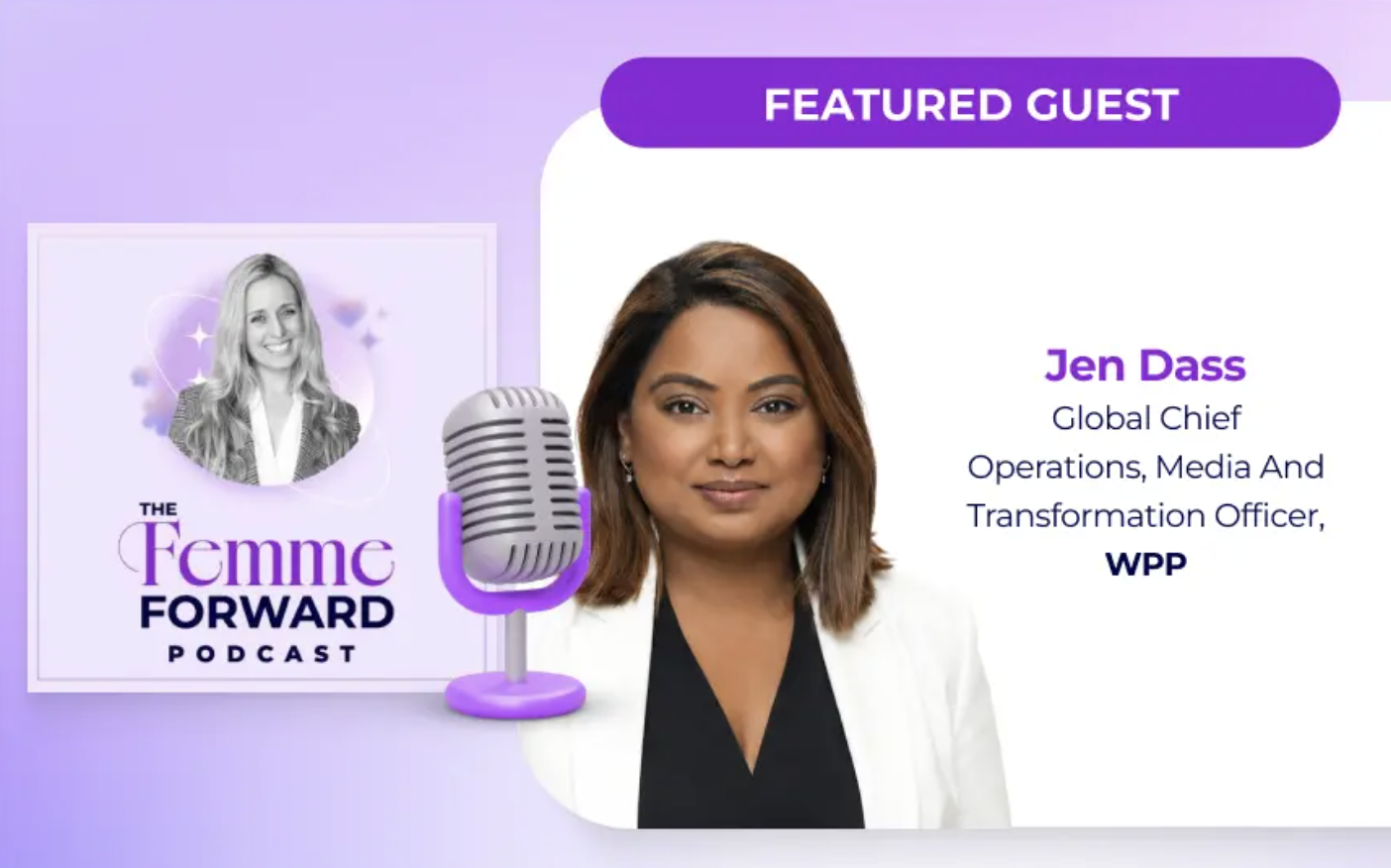
In this episode, Amanda Glen Smith sits down with Jen Dass, Chief Operations Officer of WPP.
In this episode, Amanda Glen Smith sits down with Brooks Miller, Global Head of Creator Strategy at Edelman.
Listen to Gay Gaddis on confidence, risk & reinventing success.
Deborah Wahl shares her leadership lessons, career-defining risks, and personal philosophy.
Tune in to this episode breaking down perfectionism, empathy and confidence.
Amanda and Khara talk juggling work with motherhood, managing delegation, and being your most authentic self.
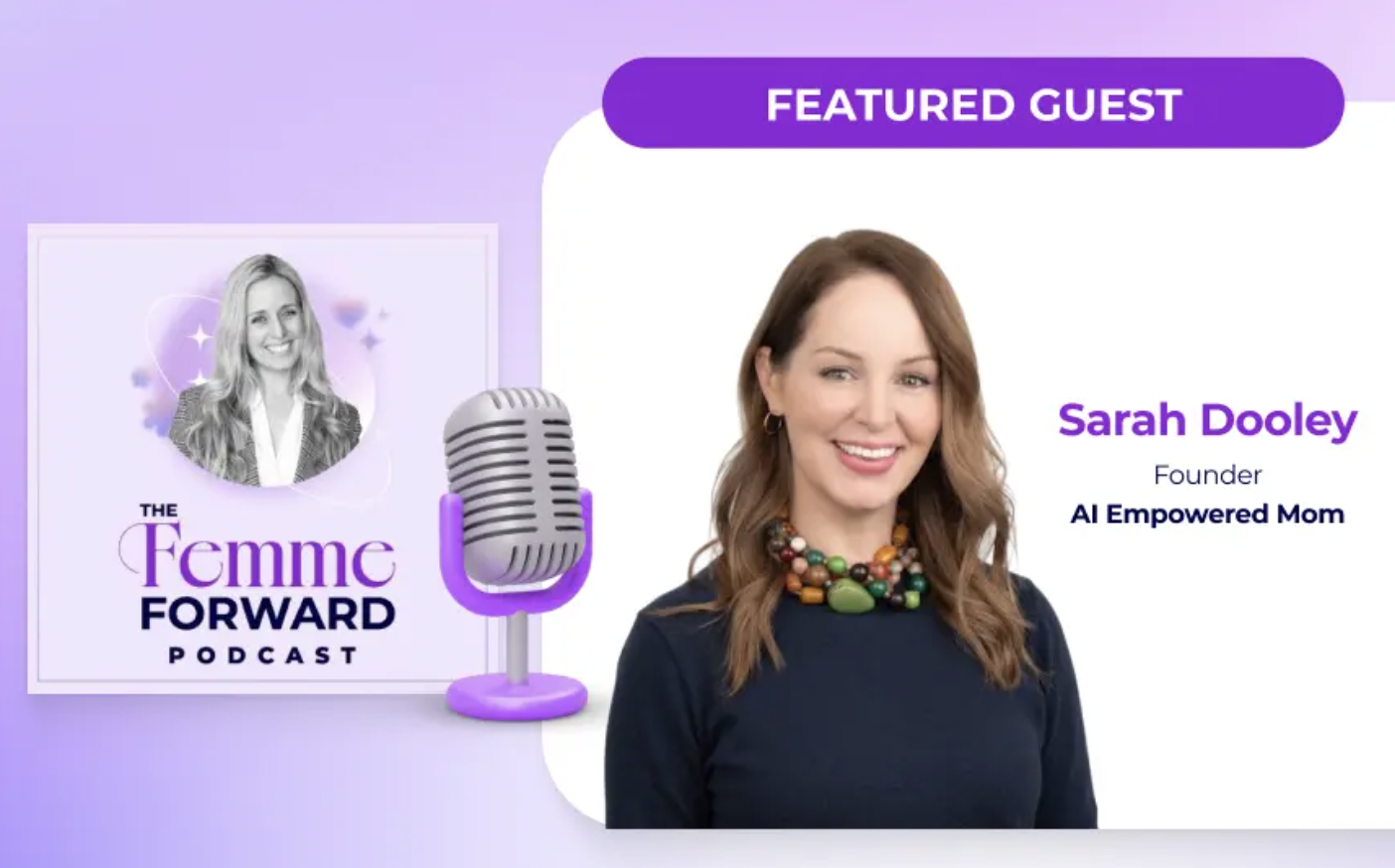
From the evolution of AI to how it can lessen the mental load, Sarah & Amanda dive into the future of an AI-assisted life.
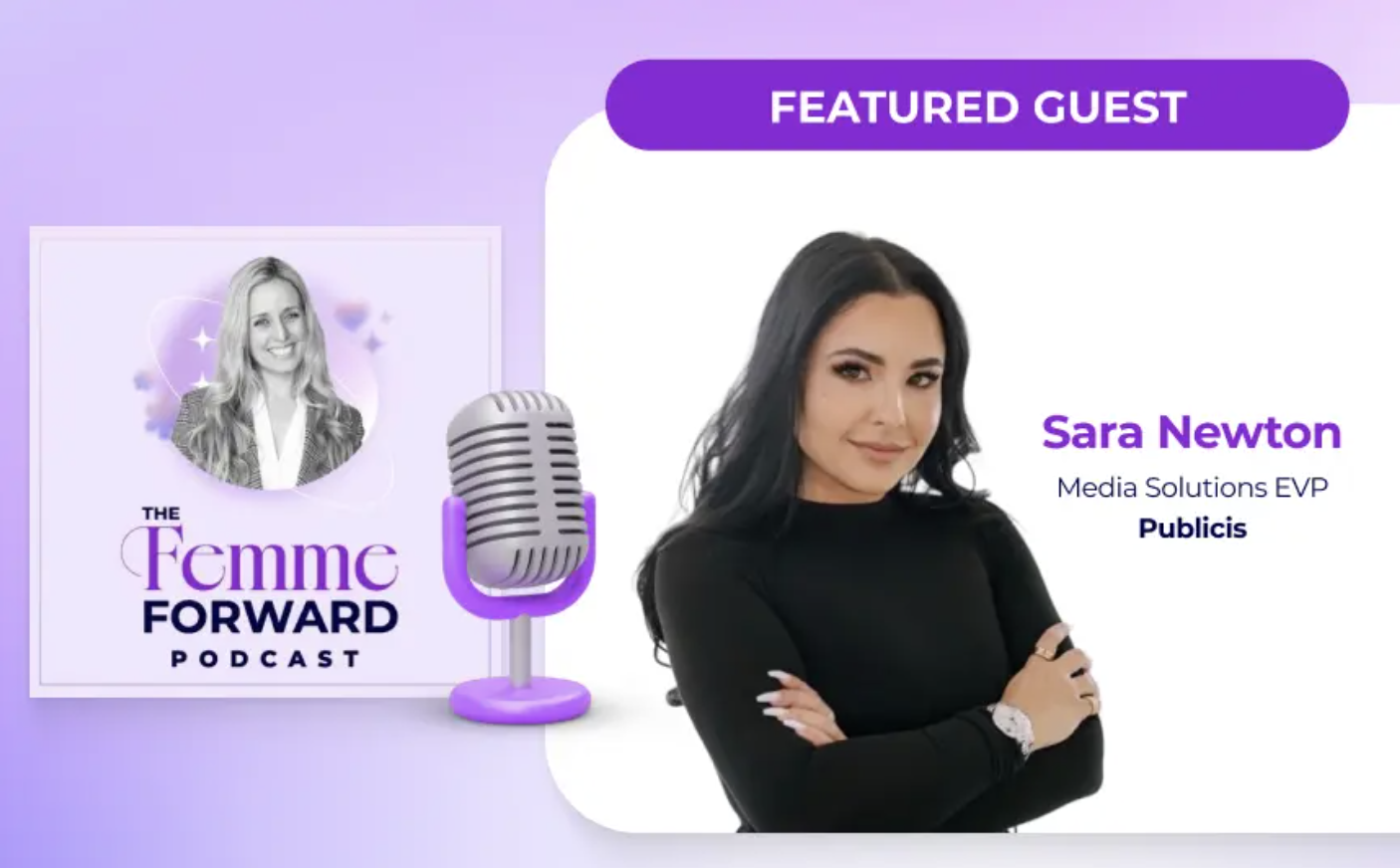
Amanda sits down with Publicis' Sara Newton to dive into what it really takes to lead, grow, and thrive.
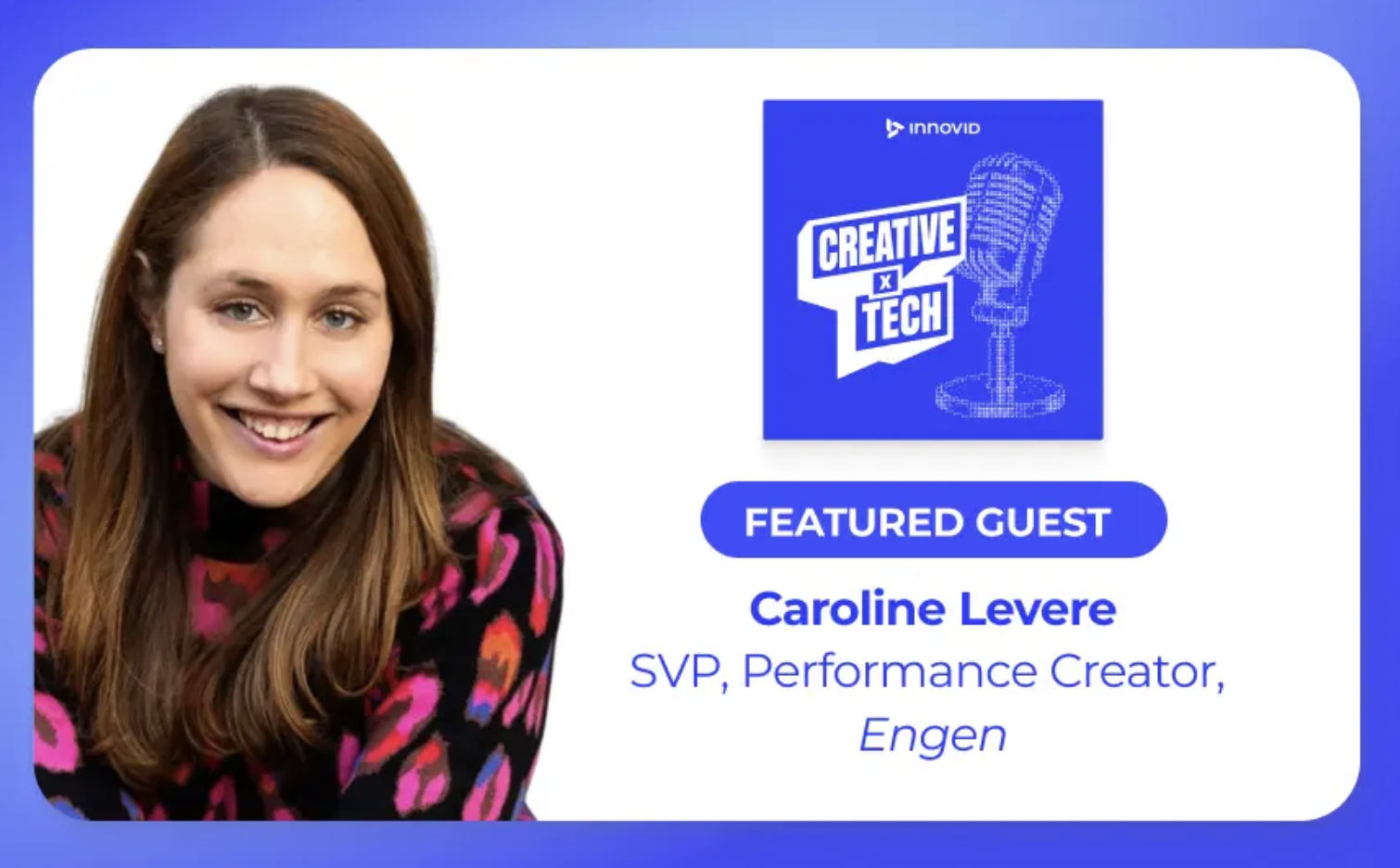
In the first episode, Dan Mouradian sits down with Caroline Levere, SVP, Performance Creator of New Engen.
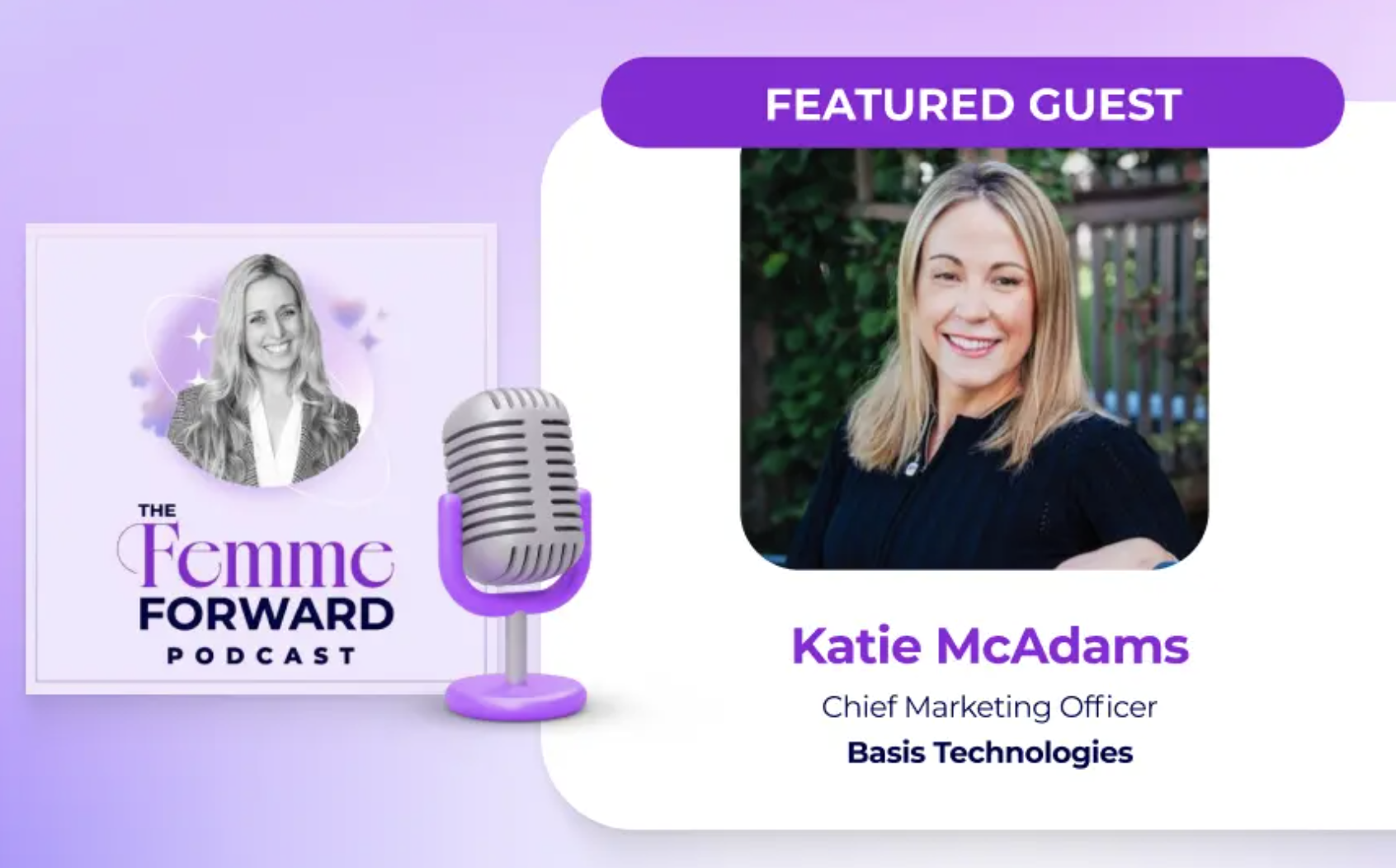
Listen to host Amanda Glen Smith and Basis CMO Katie McAdams discuss the power of intuition in leadership.
Innovid's Claire Middleton, Juli Goldman & Prisma's Steph Watson dive into the current "eras" of their career trajectories.
Listen to Amanda Glen Smitha and Unilever's Rachelle Schuimer discuss their careers.